
Search blog posts
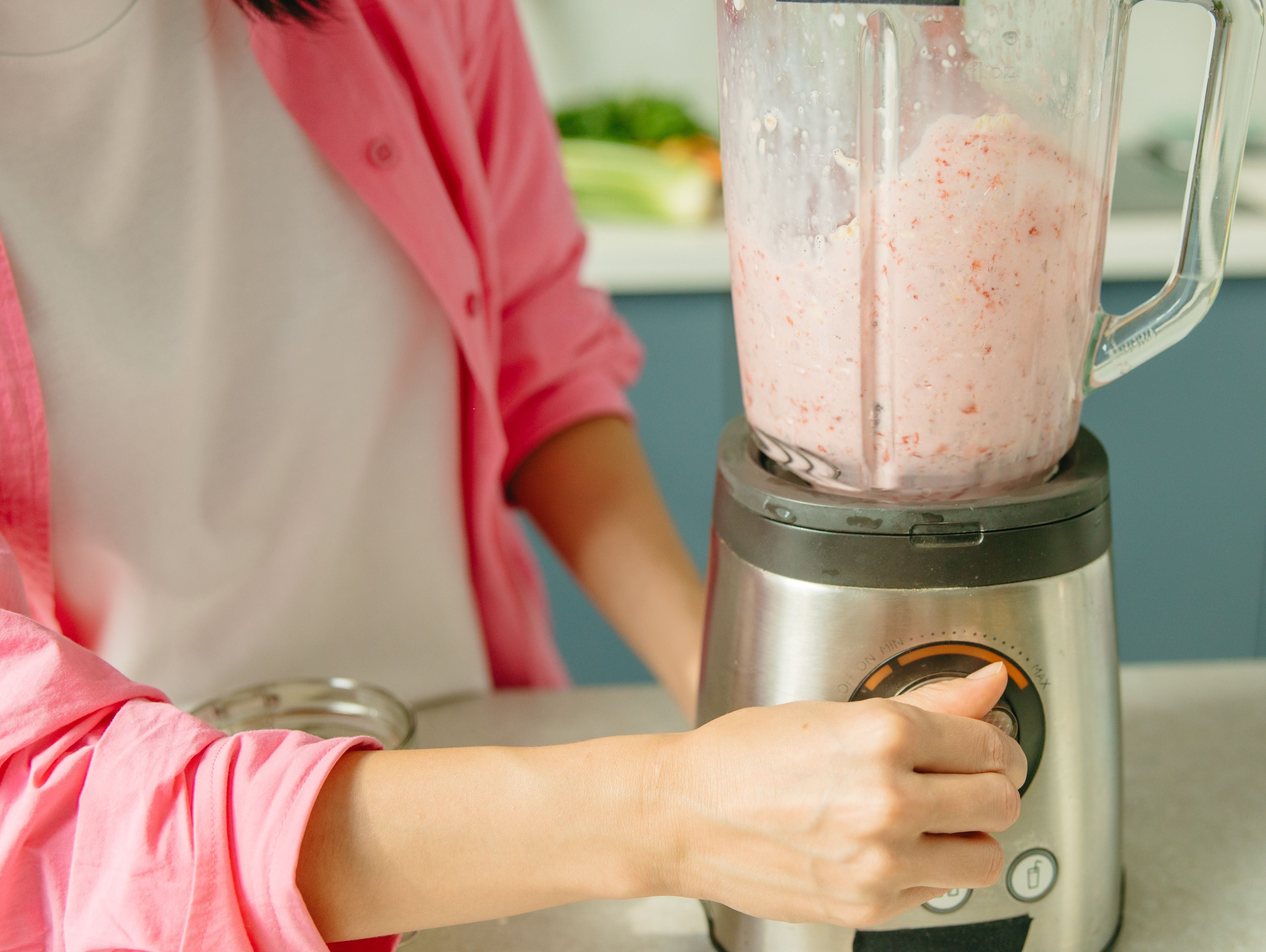
Easy Foods for Cancer Patients When Nausea Comes and Goes
You might crave toast at 10 a.m., then feel queasy looking at it an hour later. Here are gentle, flexible ways to eat and drink when nausea comes and goes.
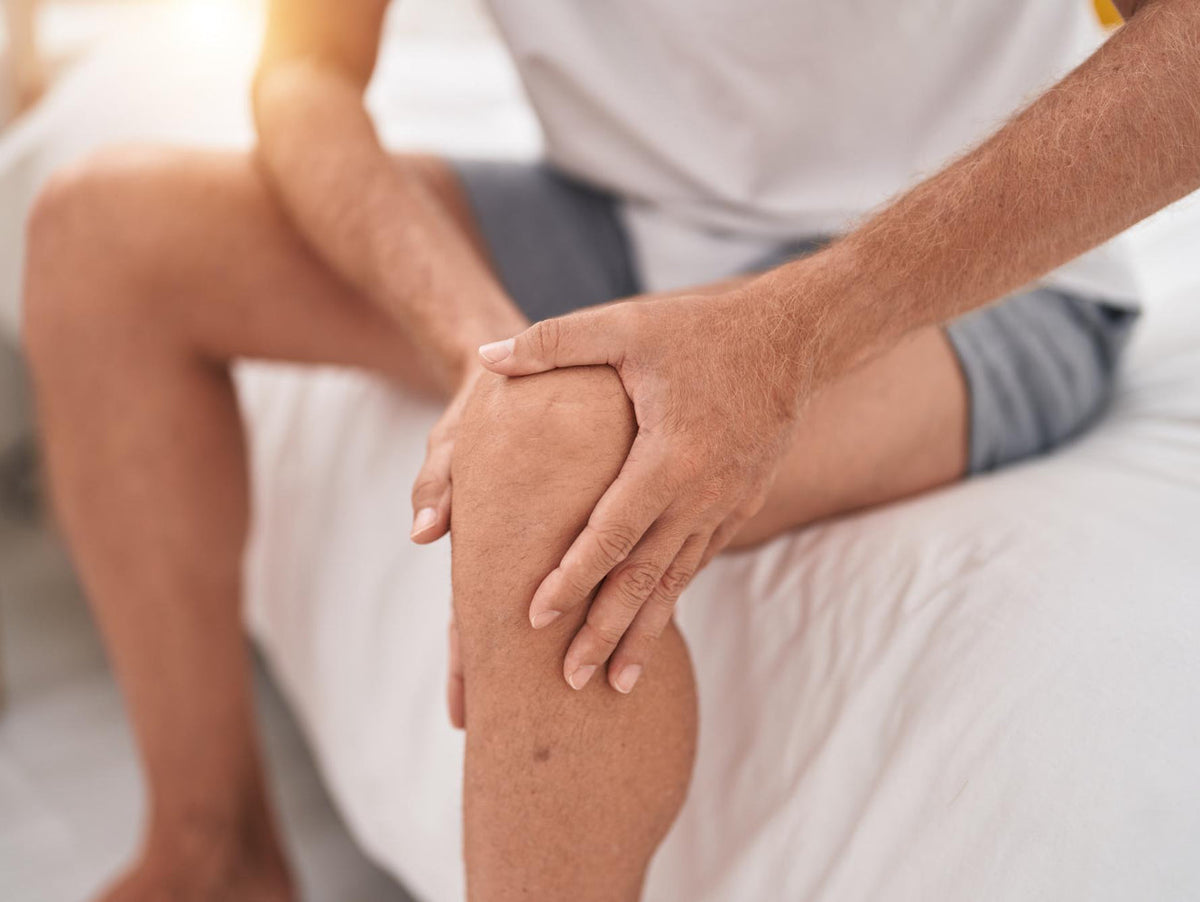
Why Am I So Tired After Cancer Treatment? Fatigue and Joint Pain
You finish treatment and expect energy to return. Instead your body feels heavy and your joints ache. Cancer-related fatigue often lingers well beyond the last appointment, and it does not mean you are doing something wrong.
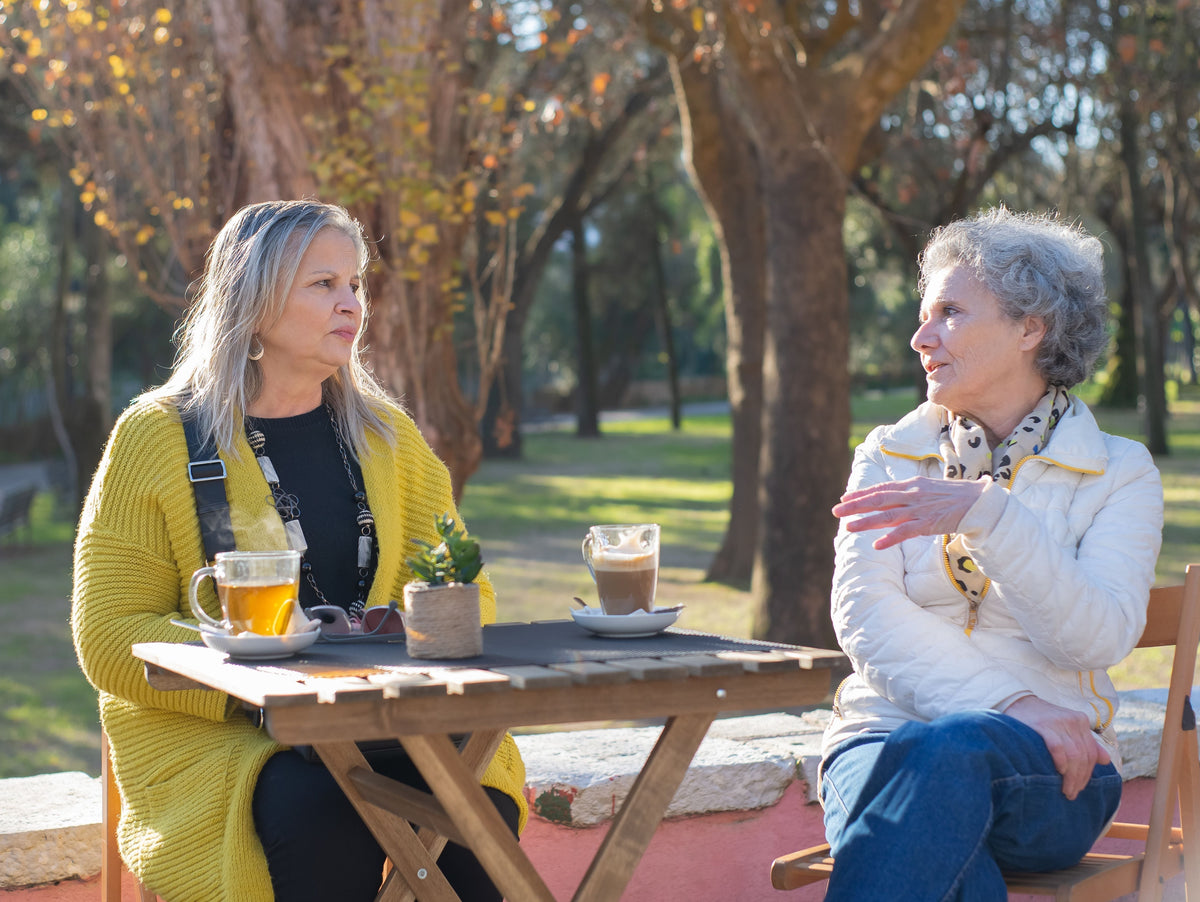
The Power of Small: Micro-Habits That Make Days Easier
During treatment, advice comes from every direction. Here are small habits that fit the day you are actually living, without turning care into a project.

Hydration and Nausea During Treatment: What Might Help Today
Nausea, dry mouth, and taste changes can make drinking water hard during cancer treatment. Small sips still count. Here's what may help on difficult days.

Support Someone With Cancer From Afar: Simple Ways to Help
Loving someone with cancer from far away comes with a particular kind of guilt. Simple, specific ways to support them, even when you can't be there.

Emotional Recovery With Cancer: Holding Gratitude and Grief
Gratitude and grief can show up in the same afternoon during cancer recovery. Why mixed emotions, including guilt, are a normal part of survivorship.

Asking for Help During Cancer: Why It's So Hard and What Can Help
Asking for help during cancer is harder than it sounds. Why we go quiet, and how a support registry can make accepting help feel easier.

Cancer Treatment Essentials: Comfort Items Worth Having
Treatment days come with enough to think about. A real, honest list of comfort items worth having nearby, at home or during appointments.

Manage Lymphedema: Simple Supports That Feel Helpful
Managing lymphedema swelling after cancer: causes, daily comfort tips, and gentle movement guidance for survivors navigating life after treatment.

Beyond the Casserole: Easy, Nourishing Meal Ideas for Cancer Treatment
Casseroles come from love, but appetite and taste can shift daily during treatment. Gentler meal ideas for patients and caregivers that work with treatment.
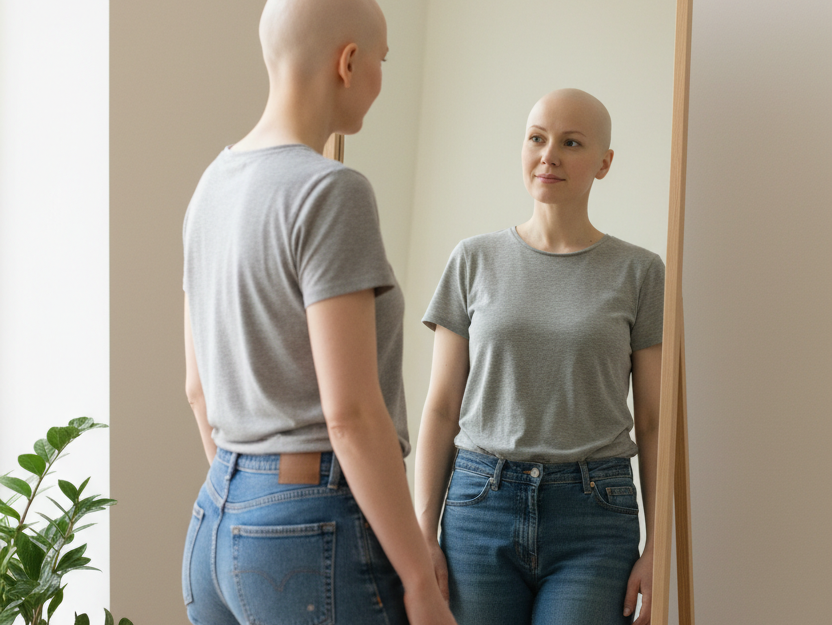
Body Image After Cancer: Rebuilding Confidence and Self-Esteem
Body image struggles after cancer are common. This guide offers compassionate, practical strategies to rebuild confidence and connection with your body.
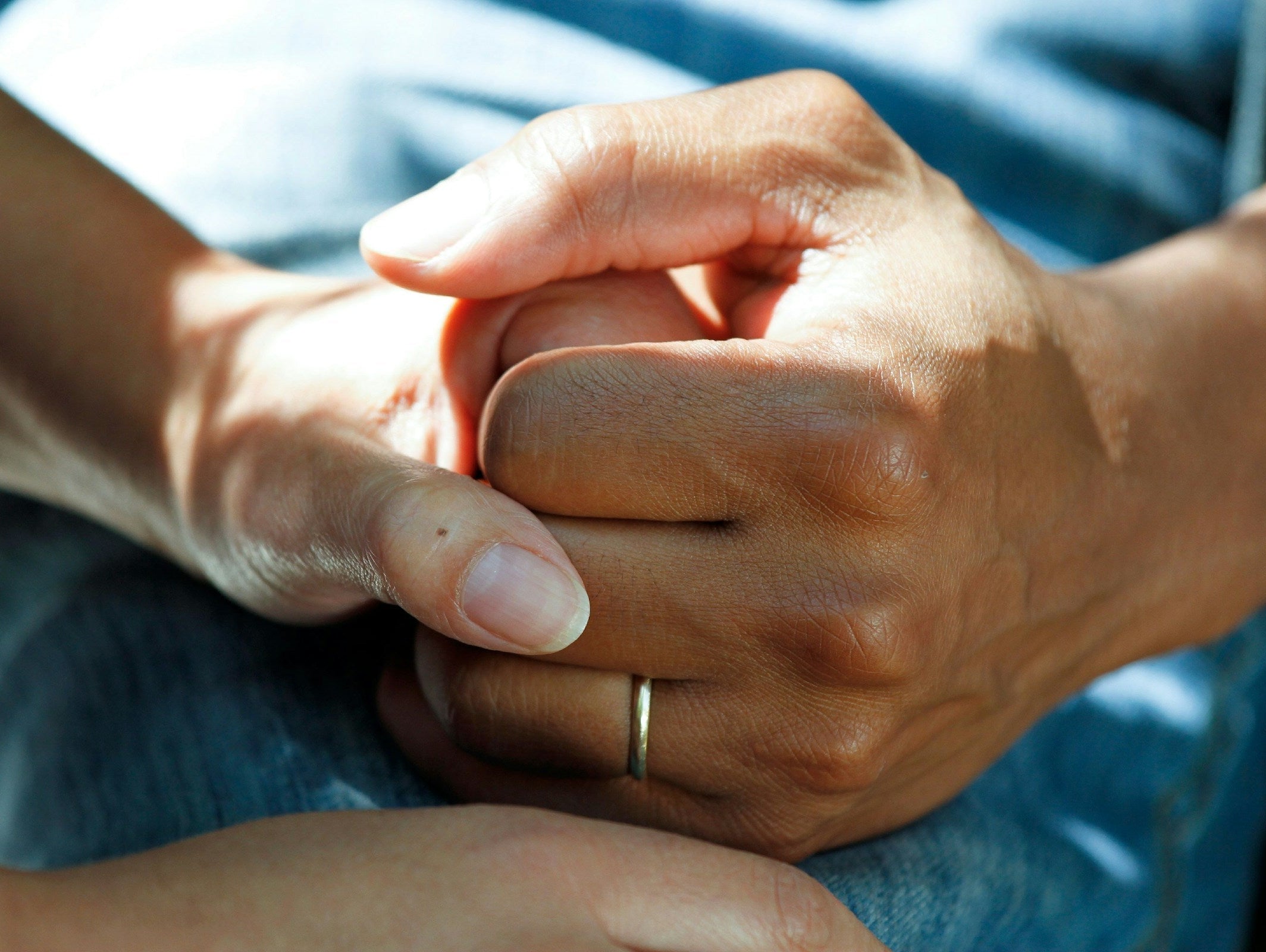
Help Comes in Many Forms: Ways to Support Someone With Cancer
Supporting someone with cancer doesn't require perfect words. Simple, practical ways to show up — from listening well to choosing gifts that get used.


