by
Ginger has long been used in traditional medicine to support digestion and overall wellness, and emerging research suggests it may also help ease common side effects of cancer treatment such as nausea, dry mouth, and appetite loss. This article explores how ginger’s active compounds—gingerol, shogaols, and paradols—may support patients during chemotherapy and radiation by promoting hydration, stimulating saliva production, improving taste perception, and encouraging food intake. Learn practical, gentle ways to incorporate ginger into daily routines to support comfort, nutrition, and recovery during cancer care.
Supporting Cancer Care and Recovery
For centuries, ginger has been valued in traditional medicine for its therapeutic properties, particularly for soothing digestive discomfort. Today, its active compounds—gingerol, shogaols and paradols—are being studied for their potential to support well-being during and after cancer treatments like chemotherapy and radiation. (3)(5) From helping to reduce nausea, to stimulating appetite and aiding digestion, ginger may offer natural relief for some of the common challenges patients face on their path to recovery. (3)(5)
Ginger for Dry Mouth Relief
Dry mouth, or xerostomia, is a common issue for cancer patients, especially those undergoing chemotherapy or radiation therapy. Studies show up to 70% of cancer patients experience dry mouth, which can lead to difficulties in eating, speaking and maintaining oral health.(1) While research on ginger’s direct effects on dry mouth is limited, ginger’s anti-inflammatory and saliva-stimulating properties may offer some comfort.(6)
How Ginger Can Help:
Ginger can support saliva production (6), helping to lubricate the mouth and ease discomfort. Adding ginger juice to water, teas or juices not only adds flavor but also encourages more fluid intake—important for combating dehydration, a key contributor to dry mouth.
Try These Ginger-Infused Tips:
- Ginger Rescue (Hard) Lozenges: These lozenges are an easy, on-the-go option that can stimulate saliva and help alleviate dryness.
- Ginger Water: Add a few tablespoons of Ginger Juice to water with a squeeze of lemon for a refreshing drink.
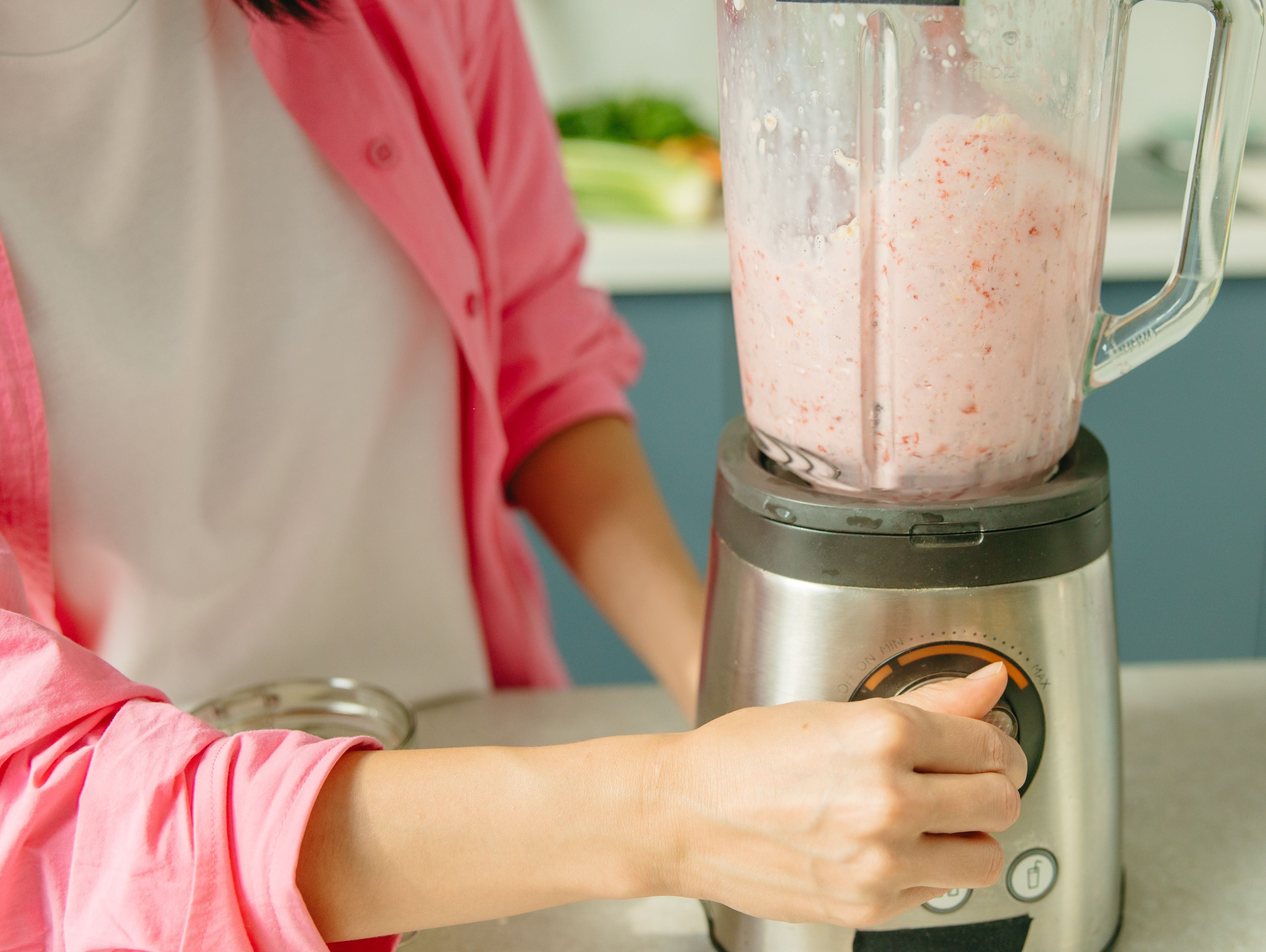
- Ginger-Infused Smoothies: Blend ginger with hydrating fruits like watermelon or cucumber for a soothing, moistening treat.
- Ginger Rescue (Soft) Lozenges: These lozenges are a softer, on-the-go option that can stimulate saliva and help alleviate dryness.
- Chewable Ginger Tablet: A potent chewable tablet made with greater ginger actives to help soothe the stomach.
By incorporating ginger into your daily routine, you may find gentle, natural relief from dry mouth symptoms.
Hydration During Cancer Treatment: How Ginger Can Help
Staying hydrated is crucial for overall well-being, especially during cancer treatment. Dehydration can lead to fatigue, affect kidney function, and make it harder for the body to process medications, impacting recovery. For cancer patients, maintaining adequate hydration is vital to support energy levels, aid digestion, and enhance the effectiveness of treatments.
Ginger to Support Hydration
Ginger not only makes hydration more flavorful but also stimulates taste buds, which can be beneficial when treatment affects appetite. Adding ginger to your fluids—whether through soothing teas, infused waters or broths—can encourage increased fluid intake and help keep dehydration at bay.
Why Cancer Treatments Can Affect Flavor Perception
Cancer treatments like chemotherapy and radiation can alter taste perception in various ways. (1) Chemotherapy drugs, for instance, can affect the taste buds directly by causing damage to rapidly dividing cells, including those on the tongue. Radiation, especially when targeted near the head and neck, can also disrupt salivary glands, leading to dry mouth and diminished taste sensitivity. (1) These changes can make certain foods taste bitter, metallic or simply “off,” making it difficult for patients to enjoy meals or maintain adequate nutrition.
How Ginger Can Help with Altered Taste
Ginger’s bold, spicy flavor can help mask unpleasant tastes and even stimulate taste buds, making it easier to enjoy food. Additionally, ginger can act as a palate cleanser, helping to “reset” the mouth before and after meals. Try rinsing with ginger tea or ginger-infused water before eating to prepare your palate.
Flavor Pairings with Ginger to Enhance Enjoyment
To make meals more appealing, pair ginger with complementary flavors that balance and enhance its natural warmth. Here are a few ideas:
- Lemon and Honey: Lemon adds a refreshing citrus note, and honey provides a gentle sweetness that softens ginger’s spice, creating a soothing and invigorating flavor.
- Mint: Fresh mint brings a cooling contrast to ginger’s heat, which can be especially refreshing in beverages or teas.
- Cinnamon and Apple: This combination with ginger adds depth and warmth to foods, perfect for comforting, easy-to-enjoy dishes.
- Turmeric and Black Pepper: For a more savory option, turmeric and a pinch of black pepper complement ginger’s flavor and add anti-inflammatory benefits.
- Cucumber and Lime: In infused waters, cucumber and lime balance ginger’s spice, creating a hydrating, palate-pleasing drink.
Experimenting with these ginger pairings can make food and drink more enjoyable and help maintain a sense of satisfaction at mealtime, even during treatment.
Poor Appetite: Ginger’s Natural Power to Stimulate Appetite and Improve Food Enjoyment
- Blend Ginger with fruits like pineapple, mango, or berries for a delicious, digestion-friendly snack.
- A warm bowl of ginger-spiced vegetable or chicken soup can be comforting and easy to consume.
- Add ginger to stir-fried vegetables or protein like chicken or tofu for a flavorful and easy-to-eat meal.
- GIN GINS Ginger Chews: A quick, portable option that delivers a punch of fresh ginger to kickstart your appetite.
Potential Side Effects
Consult Healthcare Providers
Conclusion
It’s Personal
References
-
* Frowen, J., et al. (2020) The prevalence of patient-reported dysphagia and oral complications in cancer patients. Support Care Cancer 28, 1141–1150.
-
* Marx W, McCarthy AL, Ried K, et al. The Effect of a Standardized Ginger Extract on Chemotherapy-Induced Nausea-Related Quality of Life in Patients Undergoing Moderately or Highly Emetogenic Chemotherapy: A Double Blind, Randomized, Placebo Controlled Trial. Nutrients. 2017;9(8):867.
-
* Lete I, Allué J. The Effectiveness of Ginger in the Prevention of Nausea and Vomiting during Pregnancy and Chemotherapy. Integr Med Insights. 2016 Mar 31;11:11-7.
-
* Noriaki Abe, et al. (2015) Swallowing Function Improvement Effect of Ginger (Zingiber officinale), Food Science and Technology Research, 2015, Volume 21, Issue 5, Pages 705-714
-
* Dissanayake KGC, et al. (2020) A review on medicinal uses of zingiber officinale (ginger). Int J Health Sci Res.; 10(6):142-148.
-
* Wongkalasin K, Thinkhamrop B, et al. (2023) The Effects of Ginger on Unstimulated Salivary Flow Rate: A Double-Blind, Randomized, Placebo-Control Trial. J Med Assoc Thai; 106:627-33.