Struggling with body image after cancer is a common experience in survivorship.
The cancer is gone, and your body is not the same. With that change, complex and mixed emotions can arise. And somewhere beneath the relief of having made it through treatment, there is a quieter and more complicated feeling: I don’t quite recognize myself.
The hair is different, or gone. There’s a scar where there wasn’t one before. Your body has a new shape, a new weight, a new landscape that you’re still learning to navigate.
You are not alone, and what you’re feeling is not vanity. It is a very human response to an extraordinary experience.
Common Body Image Changes After Cancer Treatment
Cancer Changes More Than Your Health
Cancer treatment is designed to save your life, but it often leaves visible marks along the way.
Chemotherapy can cause hair loss not just on the head but across the entire body, along with changes in skin tone, texture, and nail health.
Radiation can leave lasting marks on the skin.
Surgery — whether a lumpectomy, mastectomy, ostomy, or any number of other procedures — changes the physical shape of the body in permanent ways.
Weight may shift dramatically in either direction.
Fatigue affects posture, energy, and the way we carry ourselves in the world.
These changes are real and significant. Grieving these changes is an honest acknowledgment that something happened to your body that you did not choose, and that your relationship with that body is now something you have to rebuild. That process deserves to be taken seriously.
How Cancer Treatment Can Affect Confidence and Self-Esteem
The Emotional Side of Cancer Recovery May Not Be What You Expect
Many cancer survivors feel an unspoken pressure to skip the grief or anger and go straight to the gratitude. To say the right things about scars being badges of honor, hair growing back, and still being alive. Everyone’s recovery journey is different, and you may not be ready to get right to gratitude. You may be struggling.
When survivors feel they can’t be honest about their cancer and self-esteem struggles, those feelings don’t go away. Surviving cancer and grieving what cancer did to your body are not contradictory. You can be profoundly grateful to be alive and still mourn the body you had before.
A changed appearance carries an emotional weight that touches every aspect of your life — and rebuilding identity after cancer means making room for all of your emotions — gratitude, grief, anger, sadness, happiness, joy.
It’s Normal To Struggle With Body Image After Cancer
If you've found yourself putting on a brave face while quietly struggling inside, you're not alone. Body image concerns show up across every cancer type, every age group, and every background. This isn't a sign that something is wrong with how you're coping. It's simply part of what this experience asks of people. And it's worth tending to, with honesty and without judgment.
5 Steps To Rebuild Confidence After Cancer
There is no single moment when confidence snaps back into place. Reclaiming confidence after cancer is a gradual process made up of small, intentional choices that slowly rebuild your relationship with your body. Here are some steps you can take that can genuinely help.
-
Dress for how you want to feel. Clothing is a powerful and underrated tool. Soft, well-fitting clothes that work with your body as it is today — not the body you had before, not the body you’re working toward — can shift your experience of yourself in a given day. Comfort and confidence are not opposites.
-
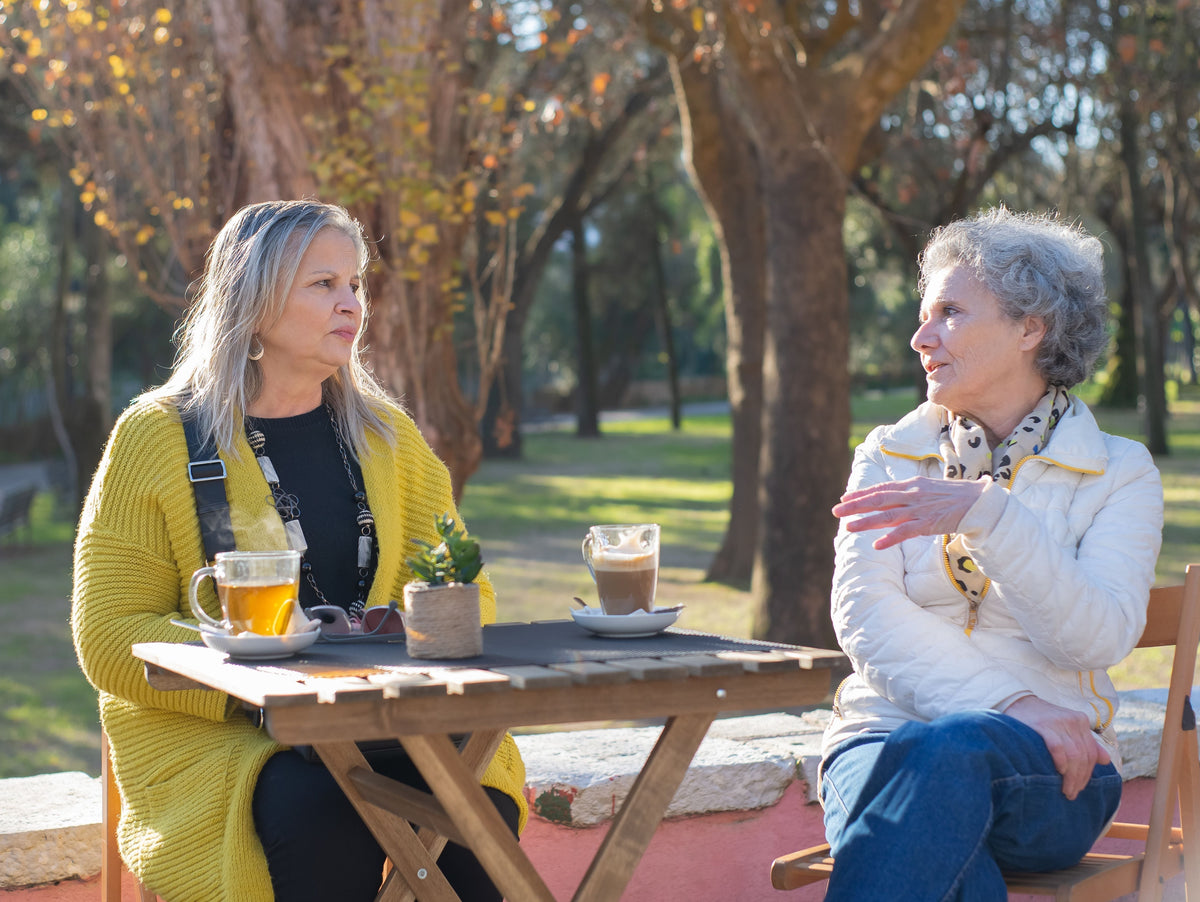
Find your community. There is something irreplaceable about being in a community with people who genuinely understand. Survivor support groups, online communities, and cancer-specific spaces offer the experience of being truly seen. Confidence and identity after cancer often starts with feeling understood.
-
Consider working with a therapist who specializes in cancer survivorship. Body image concerns are deeply psychological, and there’s real value in having professional support as you work through them. A therapist with cancer experience can help you separate the grief from the shame and build a more compassionate relationship with yourself.
-
Explore movement as a way to reconnect with your body. Gentle movement like walking, stretching, yoga, and swimming can help rebuild a sense of inhabiting your body rather than being at odds with it. The goal is not performance or appearance. It’s the quiet experience of your body doing something, moving through the world, being alive.
-
Give yourself time and grace. Reclaiming your cancer survivor self-image is not a linear process. There will be harder days and easier ones. Being patient with yourself on the harder days is not giving up. It’s part of the work.
Healing Your Relationship With Your Body After Cancer
Your Body Carried You Through Something Remarkable
The body you are living in right now endured something extraordinary. It absorbed treatments, healed from surgeries, adapted to changes it never asked for, and kept going.
Reclaiming confidence after cancer doesn’t mean pretending the changes didn’t happen, or rushing yourself toward acceptance before you’re ready. It means slowly and gently learning to live in your body again. Be kind to yourself and let yourself be enough, wherever you are in your recovery journey.