When someone you care about has cancer, the desire to help can be urgent. At the same time, many people hesitate. You may worry about saying the wrong thing or adding stress instead of relief.
Rest assured, learning ways to support someone with cancer doesn’t require perfect timing or special words. Most meaningful support shows up quietly. It fits into everyday life. It meets people where they are rather than where they’re expected to be.
This list focuses on simple, practical forms of help cultivated from survivor and caregiver tips that are both respectful and genuinely useful.
Show Up Without Trying to Fix Anything
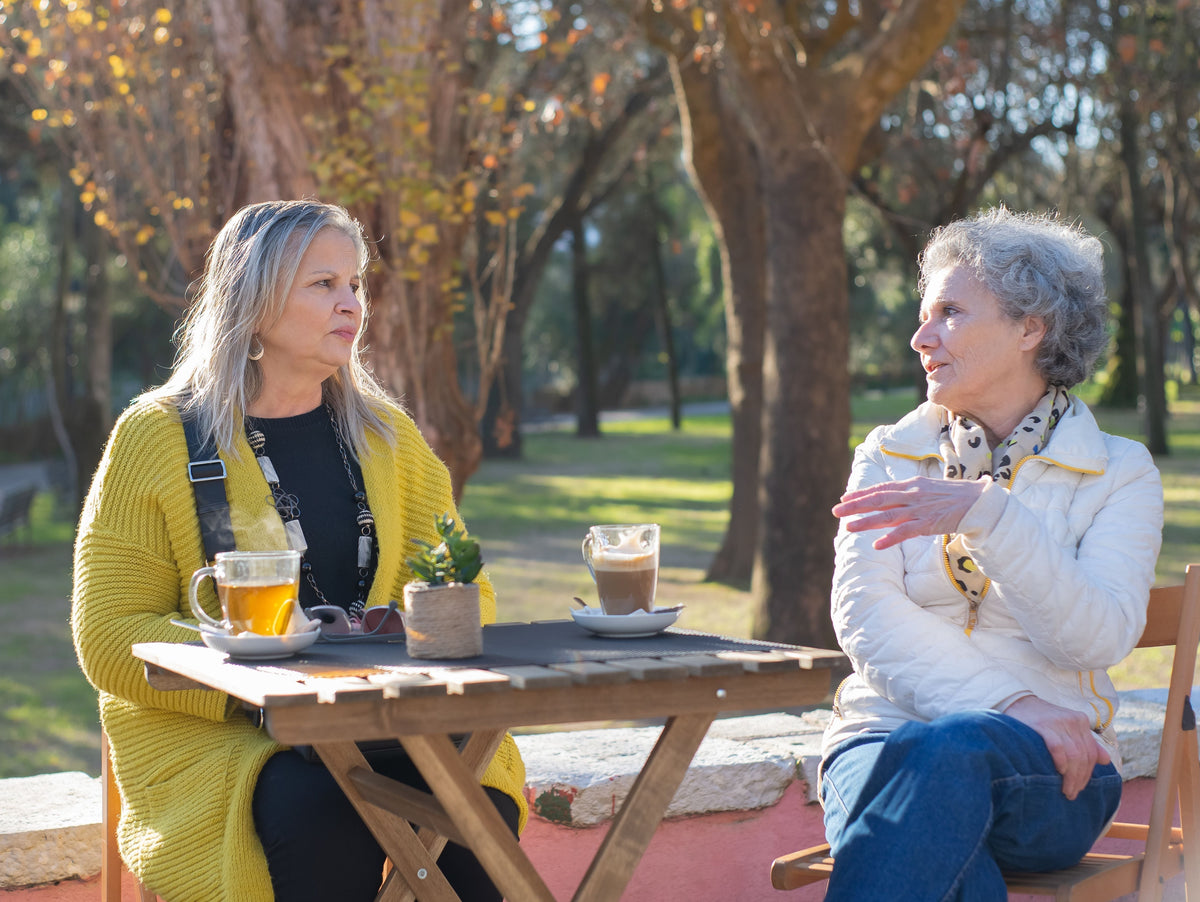
One of the simplest ways to help is to be present. Sitting quietly during treatment or recovery can be grounding when energy runs low. Holding a hand. Watching a familiar show and sharing silence without filling it.
This kind of support removes pressure. It doesn’t ask for updates or explanations. It allows the person with cancer to rest emotionally as well as physically.
Showing up without trying to improve the moment often helps more than trying to solve it.
Listen Without Steering the Conversation
Listening might be harder than talking. Many people want to offer reassurance or advice right away. Still, survivors often benefit most from being heard as they are.
Let them vent. Let them repeat the same concern. Let them say very little. Reflect what you hear instead of reframing it. Avoid advice unless they ask.
This approach directly answers how to help someone with cancer emotionally. It signifies respect for their experience without redirecting it.
Offer Specific & Practical Help
Try to avoid vague and incomplete offers. “Let me know how I can help.” often shifts the burden to the survivor. That’s one more item added to their mental and emotional load. Instead, think of what specific help you can realistically offer in order to reduce decision-making strain on the patient.
Examples of practical help for cancer patients include:
-
Picking up their child from school
-
Walking their dog
-
Running some errands for them
-
Driving to appointments
- Purchase an item from their support registry (these items have been chosen specifically to meet needs during treatment and recovery.)
A note on meals: Dropping off a meal can be incredibly useful depending on the specific needs of the survivor and family. However, you may want to ask first. Often, food is the help of choice. This is wonderful but can lead to months of frozen meals that the survivor may not be able to eat due to treatment side effects.
Offers like this allow someone to say yes or no, as there are personal needs within every household.
Help With Everyday Logistics That Drain Energy
Cancer care often brings hidden work. Scheduling appointments. Tracking paperwork. Coordinating rides. Answering repeated questions.
Decision fatigue builds quickly during treatment and recovery. Helping with logistics lightens that mental load.
You might offer to manage a calendar, set up a gift/support registry (www.saltohealth.com), organize a shared help schedule or track appointments. Such tasks might seem small from the outside. They often make daily life far more manageable.
Spend Time Together in Low-Energy Ways
Connection doesn’t require activity. Some of the most supportive moments happen during low-effort time together.
Options may include:
-
Short walks
-
Gentle yoga or stretches
-
Meditating together
-
Reading or listening to music side by side
Try to focus on companionship instead of productivity, as this can help reduce exhaustion.
Give Thoughtful Gifts That Reduce Effort
Gifts can help when they serve a purpose. Items that reduce effort, increase comfort or meet a specific need often land best.
Consider consumable items (like nutritious, low-effort snacks) or comfort tools (like soft head scarves, or a heating pad) instead of keepsakes that require storage or a response.
Thoughtful gifts support energy conservation. They say, “I thought about what might make today easier.”
Here are some often requested items:
Nausea and hydration support — Anti-nausea wristbands, ginger chews, electrolyte drinks, and quality water bottles are among the most-used items throughout treatment — often needed repeatedly, not just once.
Head coverings — Sleep caps, beanies, turbans, scarves, and wigs give patients comfortable, confident options for every moment, from treatment days to sleeping at night.
Port-accessible clothing — Zip-front tops, button-front cardigans, and side-open shirts are practical necessities for patients managing PICC lines, ports, and medical devices.
Gentle skin and scalp care — Unscented moisturizers, scalp balms and lip balms address the dryness and sensitivity caused by chemotherapy and radiation.
Comfort and rest items — Lightweight blankets, support pillows, personal fans, cooling sheets and loungewear, and eye masks help patients rest more comfortably at home and during appointments.
Nutrition and protein support — Protein powders and flexible grocery or meal delivery gift cards help on days when cooking or appetite isn't possible.
Entertainment and mental comfort — Audiobook subscriptions, guided journals, puzzles, and streaming gift cards make long infusion days and recovery days more manageable.
Respect Changing Needs and Boundaries
The support you provide might change its shape and form over time as the phases of treatment progress.
In such cases, you should respect the change of boundaries. Be prepared in case your loved one asks for reduced contact or different ways to help them. Your flexibility shows that you want to remain helpful no matter the change in circumstances.
Stay Consistent, Even When Things Are Quiet
Support doesn’t end when updates slow down. Short check-ins, remembering important dates, or sending a brief note still matter.
Consistency builds trust over time. It reassures someone that care doesn’t disappear when life gets quieter or harder to explain.
Small consistent gestures are usually more supportive than intense bursts of attention.
There Is No Single Right Way to Help
Support looks different for everyone. What matters most is offering help that fits your relationship and your capacity.
Quiet presence, practical help, shared time or outside services all count. Each form of care eases the load in its own way.
At Salto Health, we gather thoughtful ways to support people through cancer so no one has to guess what help might look like.
Photo by National Cancer Institute on Unsplash