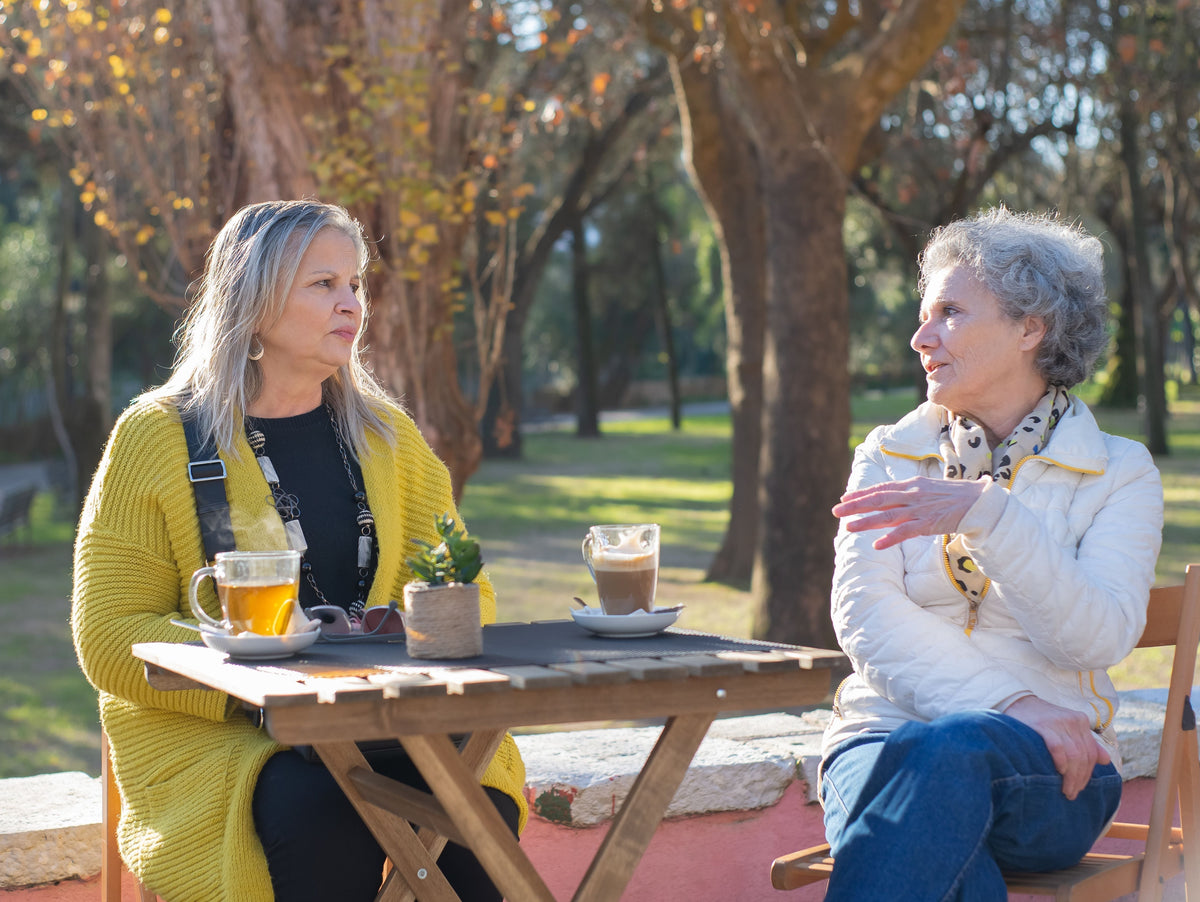
Scanxiety describes the worry and tension many survivors feel before follow-up scans. It’s the mind’s way of protecting itself after a difficult chapter, but it often stirs old fears of bad news. Learning how to deal with these feelings begins with knowing that this reaction is normal. You’re not overreacting. You’re human.
Read on to learn practical ways to find calm, ease fears of cancer recurrence, and feel more in control during scan season.
The Fear of Cancer Recurrence
The fear of cancer recurrence, the thought that the illness could return, often lingers long after treatment ends. It’s a normal response to the scary uncertainty. The human mind tries to protect itself by preparing for what it fears most. For survivors, that can mean imagining every worst-case scenario before each test.
These worries can show up as tension in one’s shoulders, sleepless nights, or a restless mind that won’t quiet down. Recognizing this fear as normal is the first step toward easing it. You don’t have to fight the feeling; simply naming it can begin to lower its intensity.
What is Scanxiety?
Scanxiety can appear in many forms. Emotional symptoms include feeling impatient, tearful or extremely irritable. Some describe a flood of racing thoughts or even waves of sadness that can’t be explained. Physical symptoms include a heavy chest, nausea, or even fatigue due to constant alertness.
These are normal stress reactions, i.e., signals from your body that it’s trying to protect you. An extremely helpful tool can be a simple feelings journal. Write a few words each day about what you notice. With time, you’ll start to recognize patterns which can help you understand which situations or dates trigger your anxiety the most.
How to Deal With Scanxiety with Strategies That Work
You can’t always avoid anxious thoughts, but you can lessen their power over you. The key is to add moments of control and comfort in your daily life.
-
Ground Yourself
As soon as you start feeling fearful, take slow breaths: four in, six out. Notice what’s in your surroundings: five things you see, four you touch, three you hear, two you smell, one you taste. It helps your brain stay in the moment and not in tomorrow’s worries.
-
Prepare for Scan Day
Plan details early so that things don’t feel rushed. Get 6-8 hours of sleep, eat something light (if allowed before scan), and bring items that comfort you, such as a soft scarf, a curated playlist or a calming scent. Little comforts signal safety within your body.
-
Stay Informed Without Information Overload
Write questions for your doctor to feel prepared, but limit online searching. Too much information can increase your level of stress rather than ease it.
-
Lean on Connection
Talking with other survivors/joining support groups reminds you that you’re not alone.
-
Create a Soothing Space
For some, a scented candle and journaling help, while others find comfort in reading a book. Choose what helps you feel more grounded when you need it the most.
How to Avoid Scanxiety Before It Overwhelms You
Learning how to avoid scanxiety starts with steady daily habits that protect you emotionally.
Create gentle rituals that help you let go of tension long before scan week arrives.
-
Practice mindfulness/meditation. Take out five minutes every day to focus on your breath, this helps shift your body out of stress mode.
-
Move your body lightly. Walks, stretching or yoga can burn off nervous energy.
-
Use creativity. Journaling, painting, music, etc., can help you process feelings that are difficult to acknowledge.
-
Keep progress reminders. Photos, affirmations, or notes of gratitude show your journey.
-
Rely on those you love. Plan enjoyable distractions, such as watching a movie, cooking a meal together or spending time outdoors.
Sometimes, it helps to set digital reminders that prompt you to take a break and breathe throughout the week. Small moments such as these can help you be resilient with time.
When Fear of Recurrence Becomes Too Strong
For some, the fear of recurrent cancer is quite overwhelming and starts to affect daily life. If you find it difficult to sleep or enjoy activities that you once loved, getting help by a professional can make a real difference.
Therapists, counselors & oncology social workers are trained to support survivors through difficult emotions. There’s courage in asking for help. Don’t take it as a sign of weakness, but rather as a sign of strength and self-awareness.
If face-to-face sessions aren’t accessible, consider guided therapy apps or even online survivor counseling options for flexible support.
Caring for Yourself and Your Loved Ones
Caregivers and partners also experience their own form of scanxiety. The waiting period before results can put a strain even on strong relationships. The best support often starts with listening and reassurance instead of giving advice.
Learn How to Deal With Scanxiety to Live Beyond the Fear
Scanxiety may visit again, but it doesn’t have to control your entire life.
With patience, small calming habits, and steady support, peace becomes possible, one day at a time.
Continue reading Salto Health’s survivor-focused articles to find more guidance and tools for living well beyond fear.