Some cancer side effects announce themselves loudly. Others settle in and become part of the background of everyday life.
Lymphedema often falls into that second category. One day you notice a little swelling. Then you start noticing how your sleeve fits, how your watch sits on your wrist, or how one side of your body feels heavier than the other.
If you're trying to manage lymphedema, you already know it can be frustrating. Sometimes it feels unfair. You finish treatment expecting life to move forward, and then you're asked to keep thinking about swelling, garments, appointments, and routines.
This article isn't about doing more. It's about finding small supports that make daily life feel a little easier.
Understanding Lymphedema Swelling After Cancer
Lymphedema swelling after cancer happens when lymph fluid builds up in part of the body, often after surgery or treatments that affect the lymphatic system.
The extent of swelling can vary from person to person.
You might experience:
-
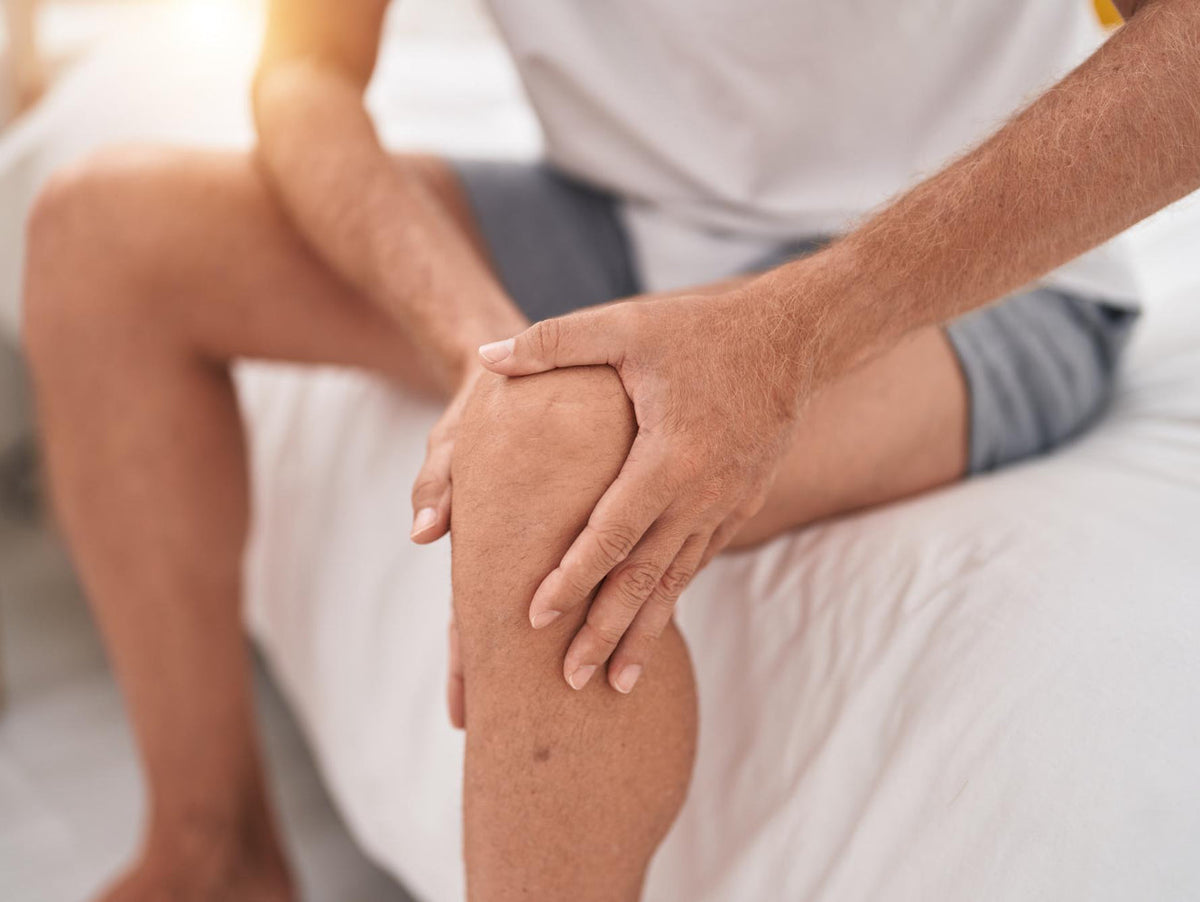
A feeling of heaviness in an arm, leg, hand, or chest area
-
Tightness in the skin
-
Tenderness or discomfort
-
Changes in how jewelry or clothing fit
-
A sense that one side of the body feels different from the other
Every experience looks a little different. Treatment history, type of surgery, and individual factors all play a role. What feels significant for one person may barely register for another.
Why It Can Feel Hard to Manage Lymphedema
The physical symptoms are only part of the story.
Many survivors describe feeling tired of thinking about it. Tired of remembering garments. Tired of monitoring swelling. Tired of feeling like they have one more thing to manage after everything they've already been through.
Compression sleeves can feel uncomfortable on some days. Body changes can affect confidence. Even getting dressed can become an unexpected reminder that things feel different now.
Living with lymphedema often requires attention, and attention takes energy. If you feel frustrated sometimes, you're not alone.
Simple Ways to Manage Lymphedema Day to Day
The goal is to make support easier to fit into real life.
Keep items you use regularly within easy reach. If your care team recommends compression garments, storing them somewhere visible can remove one small obstacle from the day.
Many survivors find it helpful to use phone reminders, sticky notes, or calendar alerts for routines they've agreed on with their care team. Memory becomes harder when life feels busy or stressful.
It can also help to notice changes without constantly checking for them. Paying attention matters. Worrying constantly rarely brings peace.
Most importantly, follow the guidance provided by your clinician or lymphedema specialist. The right plan varies from person to person.
Gentle Movement When Living With Lymphedema
Movement can feel complicated when part of your body already feels swollen or uncomfortable.
Many people find that gentle activities help them feel better, especially when they align with their care team's recommendations.
For some, that means a short walk around the neighborhood. For others, it may look like stretching, approved arm exercises, or simply changing positions throughout the day.
You don't have to earn rest through activity. You also don't have to force movement on difficult days.
One day you fold the laundry, answer emails, and feel almost like yourself. The next day a shower takes more effort than expected. Recovery rarely moves in a straight line.
Comfort Supports for Living With Lymphedema
Comfort is extremely important. When skin feels sensitive, dry, or irritated, small adjustments can make a surprising difference.
Soft fabrics often feel gentler against the skin. Some survivors prefer fragrance-free moisturizers that fit within their care team's recommendations. Others pay closer attention to protecting the affected area from cuts, scrapes, and irritation.
Compression garments can sometimes create friction or discomfort. If something feels off, don't assume you have to live with it silently.
Redness, warmth, increased pain, or changes in swelling deserve a conversation with your care team. Asking questions early can provide reassurance and guidance.
Finding What Works for You
Managing lymphedema doesn't have to consume every thought or define every day.
Small adjustments count. Comfortable clothing counts. Helpful reminders count. So does giving yourself grace on the days when it all feels like a lot.
At Salto Health, survivors can find resources, supportive products, and practical guidance that help make everyday life feel a little easier. You don't have to figure everything out at once. One small support at a time is enough.