When someone you love is diagnosed with cancer, food is often the first thing people reach for. Giving someone a comforting casserole to nourish their bodies and souls is one of the most natural ways we know how to say I'm here for you.
Despite those good intentions, what many people may not realize is that cancer treatment can change everything about how a person eats. And that can unfortunately mean that a tasty casserole may not serve its intended purpose.
Foods that were once comforting can suddenly feel heavy, smell overwhelming, or just not stay down. It's not that the casserole wasn't appreciated — it's that the body undergoing treatment is operating under a completely different set of rules.
So what kinds of foods can someone undergoing cancer treatment eat? This article will highlight some gentler, easier-to-tolerate meal ideas for survivors.
Why "Comfort Food" Doesn't Always Comfort During Treatment
There's a reason a warm, cheesy dish that used to feel like a hug can suddenly feel like too much. Treatment changes the body in ways that directly affect appetite, taste, and digestion, and it can happen fast, sometimes day to day.
Common Side Effects That Change What Sounds (and Tastes) Good
A few of the most common shifts people experience during treatment:
-
Metallic or altered taste — favorite foods can suddenly taste "off," overly sweet, bitter, or just wrong
-
Heightened smell sensitivity — strong smells (even ones that used to be appetizing) can trigger nausea
-
Low or unpredictable appetite — some days eating feels impossible; others feel almost normal
-
Nausea — can narrow the list of appetizing foods down to just a handful
-
Dry mouth or mouth sores — can make dry, crunchy, spicy, or acidic foods uncomfortable to eat
Any one of these can turn a beloved family recipe into something the body just isn't ready for.
It's Not Personal — It's Physiological
If you're a caregiver, friend, or family member who's brought a meal that went untouched, please hear this: it's not a reflection on you, and it's not ingratitude. It's biology. The kindest thing you can do is let go of any hurt feelings around it and focus instead on figuring out what does feel manageable that day, because it may be completely different tomorrow.
What to Look for in Cancer Treatment-Friendly Meals
There's no single right way to eat during cancer treatment. What works varies a lot from person to person and day to day. But a few general patterns tend to make meals easier to manage.
(As always, any specific dietary needs should be discussed with your oncology team or a registered dietitian. This is general, supportive guidance, not medical advice.)
Easy on the Stomach
Mild, simple, low-fuss foods are often easier to tolerate than rich or heavily seasoned dishes. Think plain rice, broth, toast, scrambled eggs, or plain crackers; foods that ask very little of a sensitive stomach.
Higher Protein, Lower Effort
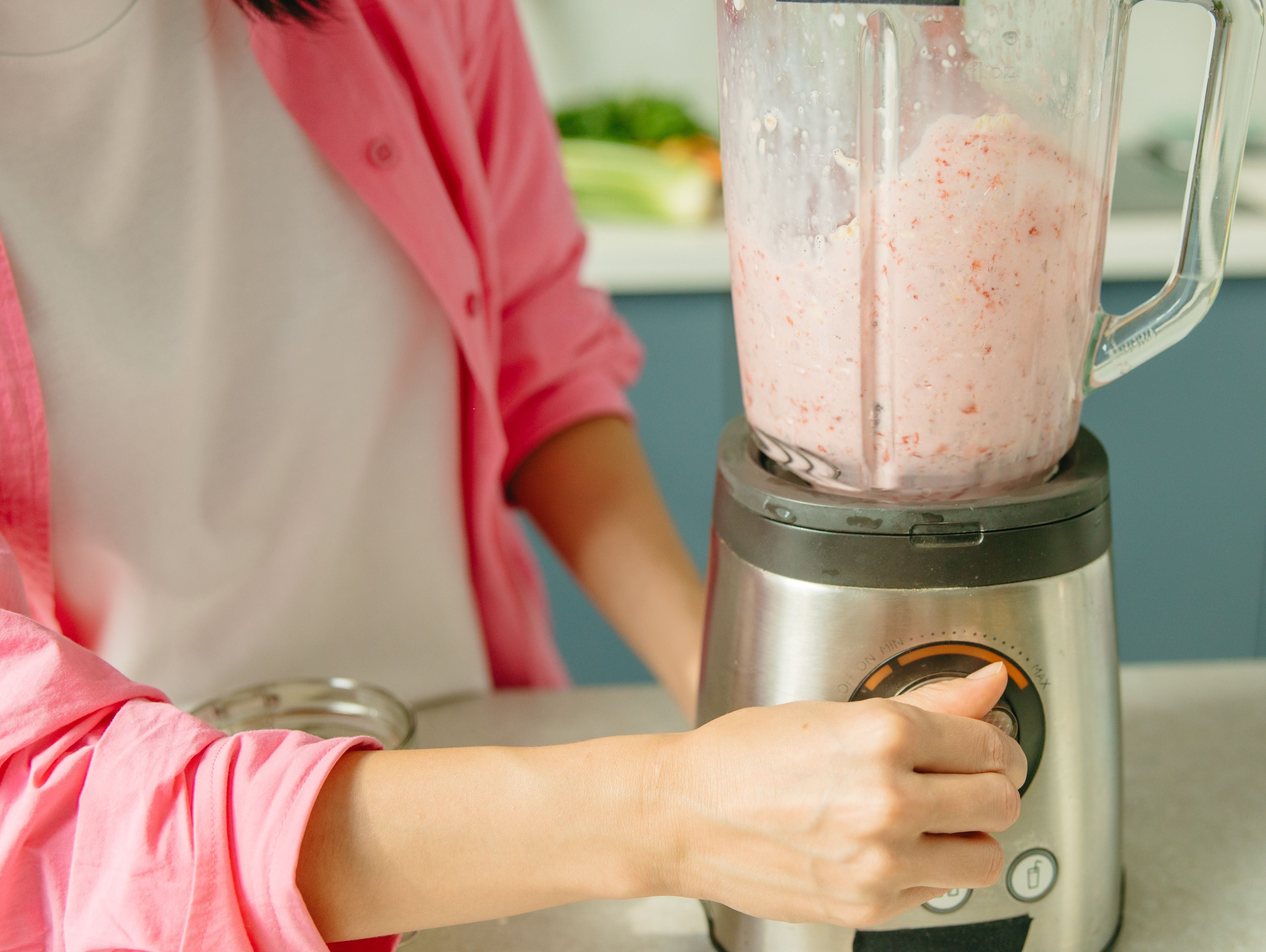
Protein needs often increase during treatment, even when appetite goes down — which can feel like a frustrating combination. The goal isn't a big protein-packed meal; it's finding small, easy wins: a soft-boiled egg, a spoonful of nut butter, a smoothie, shake or a few bites of soft cheese.
Hydration-Friendly Foods
Plain water can be unappealing or even hard to get down on some days. Soups, broths, popsicles, electrolyte water packets and diluted juices are great options and offer nourishment and hydration.
Simple Meal Ideas Survivors and Caregivers Can Actually Make (or Receive)
Because no two days look the same during treatment, it helps to think in categories rather than a single meal plan.
For Nausea Days
-
Plain crackers or toast
-
Ginger or peppermint tea
-
Plain white rice
-
Clear broths
-
Cold, bland foods (smells are often less intense when food is cold)
For Low-Appetite Days
Small, frequent bites are usually easier than a full plate.
-
A protein smoothie
-
Greek yogurt with honey
-
A few spoonful's of nut butter
-
Cottage cheese with soft fruit
For "I Actually Want to Eat Today" Days
On the days appetite returns a little, slightly more substantial (but still gentle) meals can feel good:
-
Scrambled or soft-boiled eggs
-
Soft pasta with a light sauce
-
Baked sweet potato
-
Soft-cooked vegetables with rice
Having a short list like this on the fridge can take a lot of the daily guesswork out of mealtime for the person in treatment and for whoever's cooking.
When Cooking Feels Like Too Much — Easier Options Worth Knowing About
Some days, even simple cooking is more than anyone has the energy for. That's normal, and it's worth knowing there are a few tools that can take some of that load off without sacrificing nutrition.
Ready-to-Drink Protein and Nutrition Shakes
On days when chewing feels like a chore or appetite is especially low, a ready-made protein shake can be an easy way to get in some nutrition without needing to cook — or even think too hard about what to eat. It's not a replacement for real meals when those are possible, but it's a helpful option to have on hand for the harder days.
Prepared Meal Delivery Services
For families who want balanced, ready-to-eat meals without the daily decision-making, prepared meal delivery services, like Trifecta, can be worth exploring. Having specifically chosen meals show up already made can free up energy that would otherwise go toward planning, shopping, cooking and clean up, leaving more room for rest and connection. It's simply one more option in the toolkit. And a wonderful item to share with those who ask “How can we help?”.
Caregivers: Don't Forget About Your Own Plate
So much of the conversation around food during cancer treatment understandably centers on the person going through it. But caregivers are doing an enormous amount of physical and emotional work too — and their nutrition matters just as much.
Why Caregiver Nutrition Matters Too
It's incredibly common for caregivers to skip meals, eat standing up, or run on coffee and whatever's easiest while focused on appointments, medications, and their loved one's needs. Over weeks and months, that catches up, leading to fatigue, irritability, and burnout at exactly the time caregivers need their strength the most.
A Diagnosis Often Becomes a Wake-Up Call for Everyone in the Family
It's also common for a loved one's diagnosis to prompt caregivers to look at their own health differently. Watching someone you love navigate a serious illness can bring up real questions: Am I taking care of myself? What would happen to my family if something happened to me? That kind of reflection can feel heavy, but it can also become a meaningful, lasting shift toward better habits — for caregivers, and often for the whole family.
Small Ways Caregivers Can Stay Nourished Without Adding to the Load
Caregiver nutrition doesn't need to be complicated or time-consuming. A few low-effort ideas:
-
Keep easy grab-and-go snacks on hand (nuts, fruit, protein bars)
-
Batch-prep a few meals during a calmer week to lean on later
-
Share the same simple meals or shakes being made for the patient — no rule says caregiver meals need to be separate
-
Lean on the same convenience tools, like shakes or meal delivery for yourself too — caregiving is easier to sustain when you're not running on empty
Eating Well Through Cancer Treatment
There's no perfect way to eat through cancer treatment for the person going through it or the person caring for them. Appetite, taste, and energy will shift, sometimes day by day, and that's okay. The goal isn't a flawless meal plan; it's having a few easy, flexible options on hand so that food becomes one less thing to worry about, not one more source of pressure.
Whether that means a simple bowl of rice, a protein shake on a hard day, or letting a meal delivery service take something off your plate (literally), every small bit of ease counts — for both of you.
At Salto Health, survivors and caregivers can find curated nutrition and hydration support, protein shakes, meal delivery options, and comfort essentials — all chosen with treatment in mind. Because the right support, at the right moment, makes everything a little more manageable.
The information in this article is for educational and supportive purposes only and is not intended as medical advice, diagnosis, or treatment. Always consult your healthcare provider or a registered dietitian regarding any nutrition or treatment-related concerns.