


Description
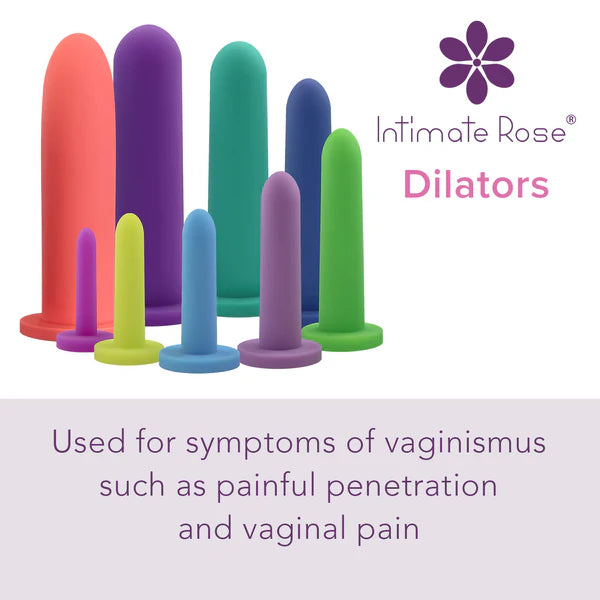
Our Vaginal Dilators are intended to be used at home for controlled dilation of the vagina. They help expand, stretch, and relax pelvic floor muscles using 8 progressive sizes to help relieve the symptoms of vaginismus, such as painful intercourse and medical exams.
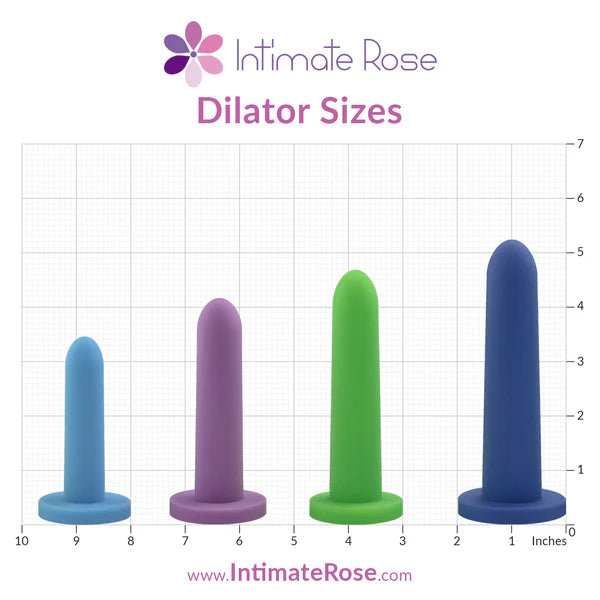
Tailored Progress: 4 sizes for gradual progression, ranging from 5” to 6.5” (12.7cm to 16.5cm) long and 1” to 1.5” (2.5 cm to 3.8 cm) wide.
Enhanced Comfort: Smooth, non-stick surface for a gentle experience.
Personal Healing: Gradual, personalized wellness progress.
Expert Design: By a former patient turned Pelvic PT
Safe and Trusted: BPA-free, medical-grade silicone, and recommended in professional courses.
Why It Matters
Our Vaginal Dilators are intended to be used at home for controlled dilation of the vagina. They help expand, stretch, and relax pelvic floor muscles using 8 progressive sizes to help relieve the symptoms of vaginismus, such as painful intercourse and medical exams.
Tailored Progress: 4 sizes for gradual progression, ranging from 5” to 6.5” (12.7cm to 16.5cm) long and 1” to 1.5” (2.5 cm to 3.8 cm) wide.
Enhanced Comfort: Smooth, non-stick surface for a gentle experience.
Personal Healing: Gradual, personalized wellness progress.
Expert Design: By a former patient turned Pelvic PT
Safe and Trusted: BPA-free, medical-grade silicone, and recommended in professional courses.
Blog posts

I’m Losing My Hair During Cancer Treatment — Now What?
You might learn about hair loss in a quick conversation with your care team. You might read it in a pamphlet. It can still feel unreal, right up until the day you notice more strands in the shower or your brush fills faster than usual.

Understanding Non-Medical Needs During Cancer Treatment: Support Beyond the Hospital
Cancer care is usually centered on appointments, such as scans and infusions. Yet most of life during treatment and recovery happens somewhere else entirely. At home. In the car. At the kitchen table. In moments when symptoms arise without warning.
At Salto Health, survivors and caregivers can find resources and support designed to fit naturally into daily life during treatment. Routine helps you meet who you are now, with care.

Dealing with Scanxiety: How to Cope with Fear of Recurrence
Scanxiety describes the worry and tension many survivors feel before follow-up scans. It’s the mind’s way of protecting itself after a difficult chapter, but it often stirs old fears of bad news. Learning how to deal with these feelings begins with knowing that this reaction is normal. You’re not overreacting. You’re human.


