
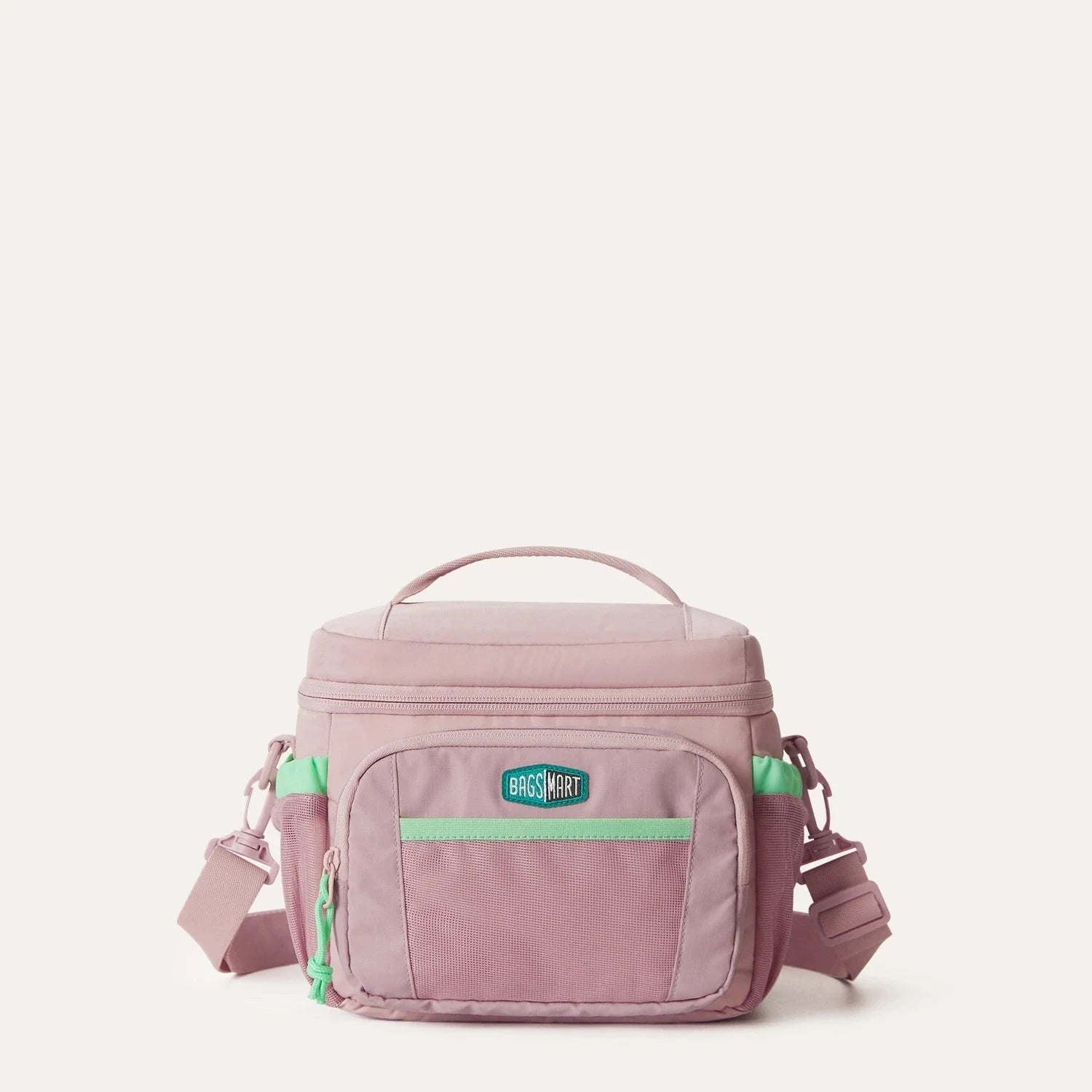

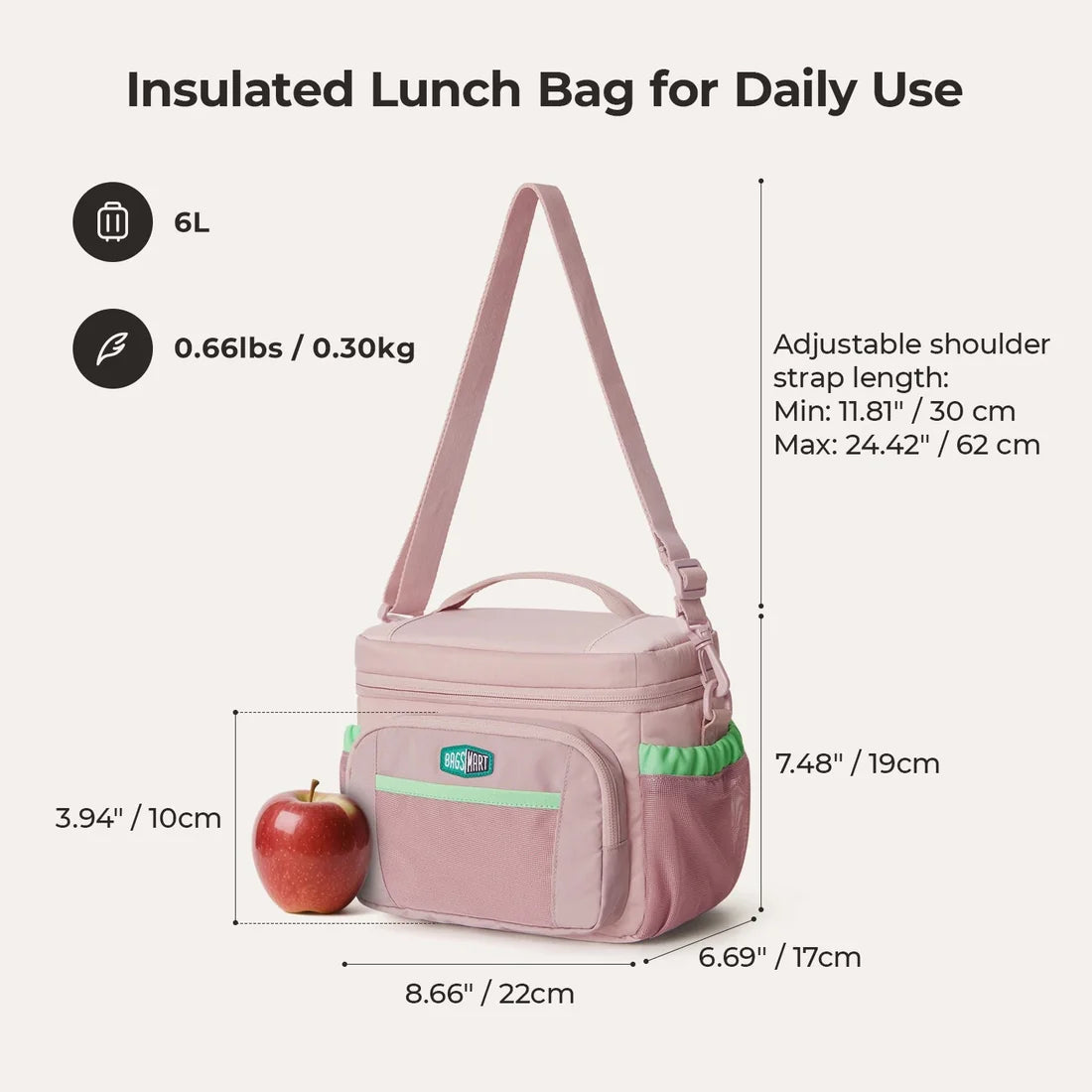

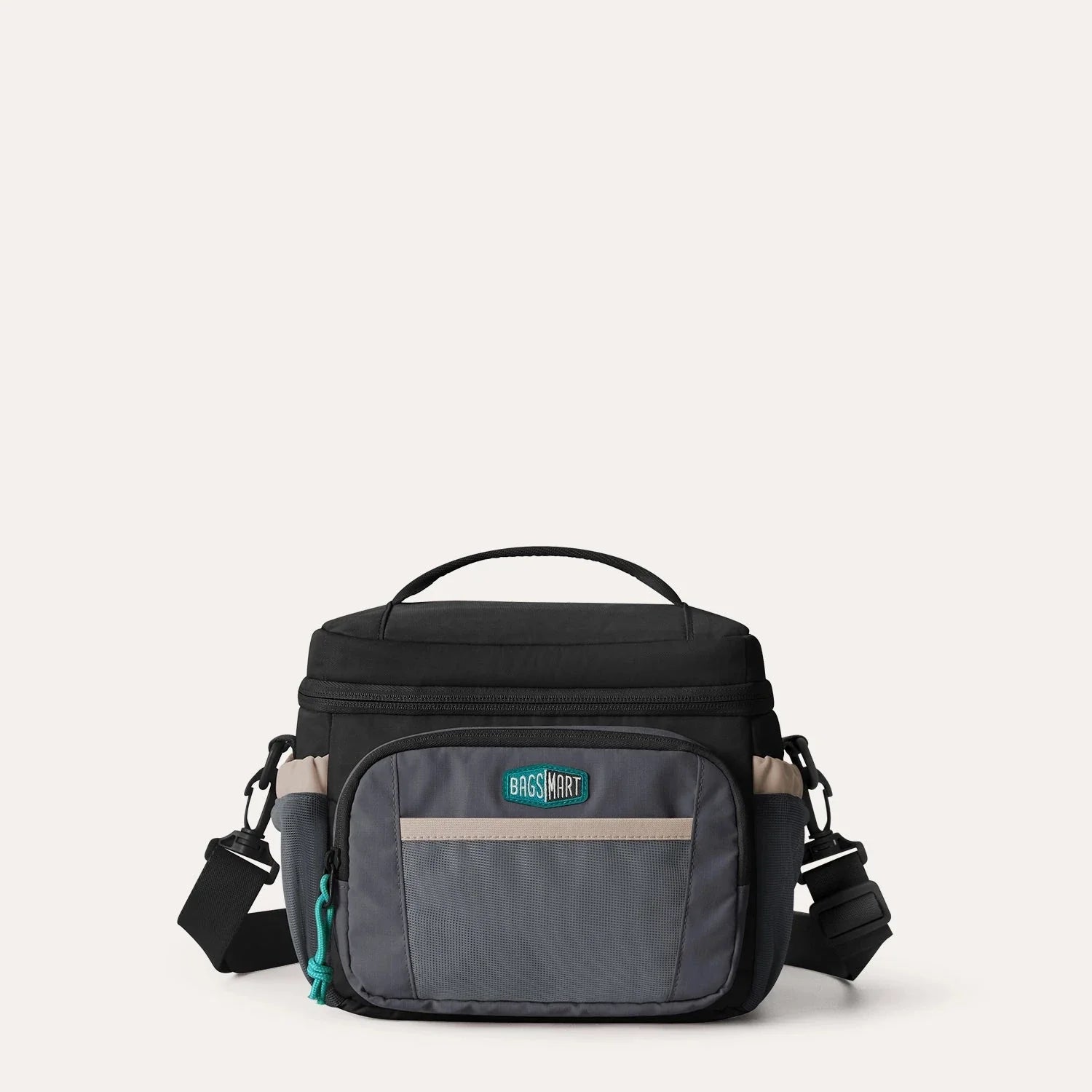
Focus Lunch Bag
Description
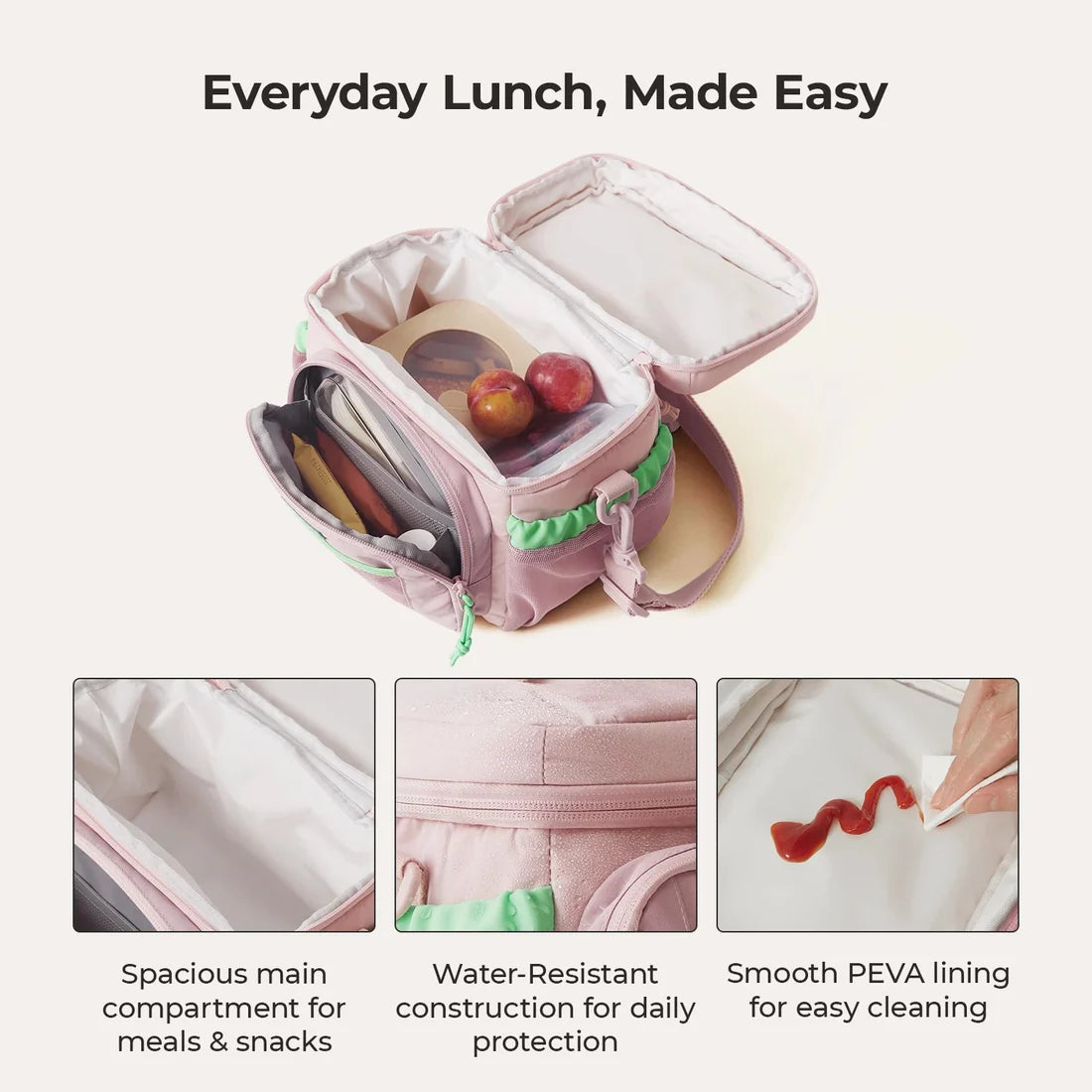
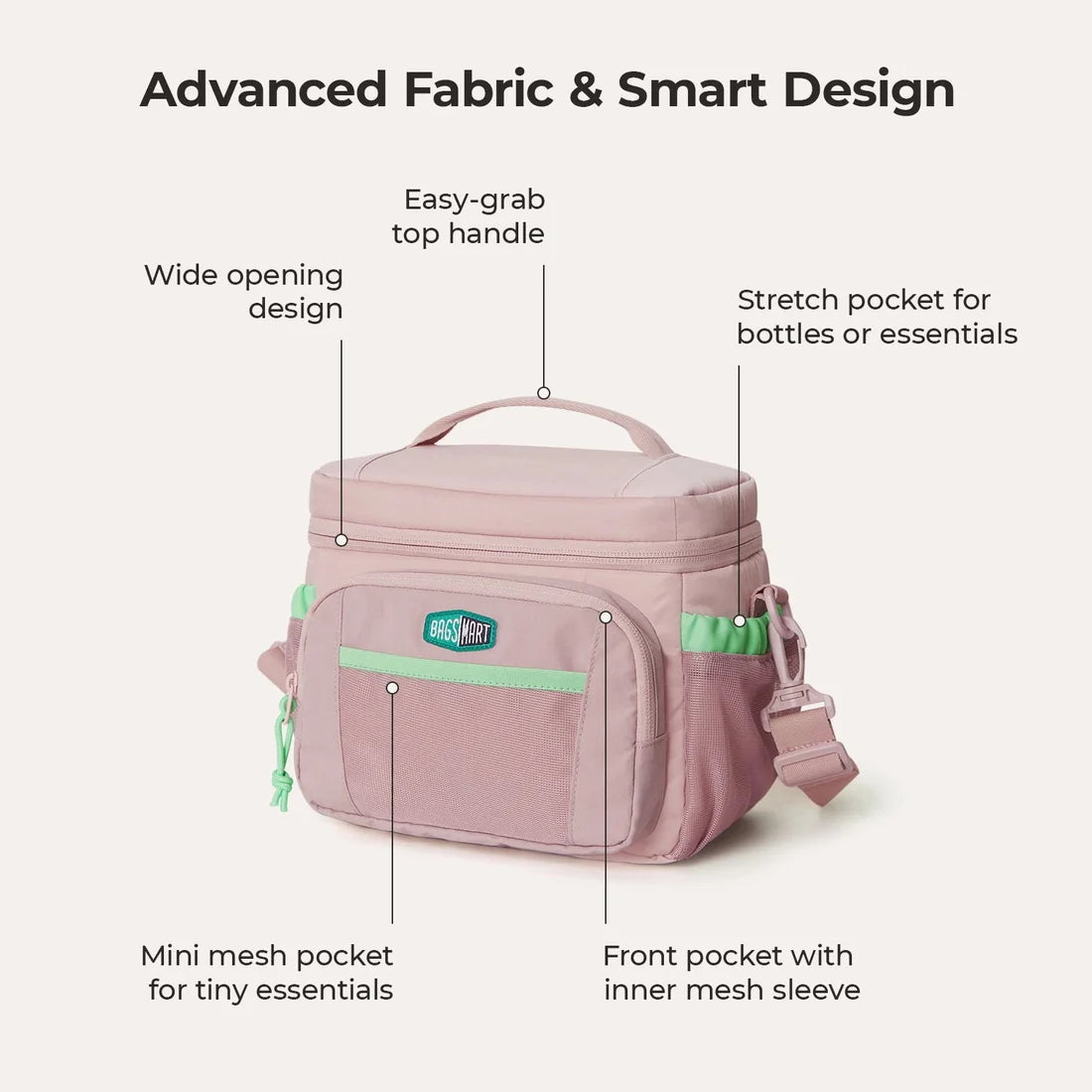
The Focus Lunch Bag packs a full-course upgrade—wide-mouth opening for easy ''forklift,'' high-efficiency insulation that keeps your soup steamy or salad chill, and a leak-proof, antibacterial lining so fresh it could host a cooking show. Toss it over your shoulder, pair it with your Focus backpack, and bite into a commuter-friendly carry that never gets soggy. Keeps meals hot or cold Leak-proof PVEA lining Antibacterial interior Top handle or crossbody strap Easy-clean nylon exterior
Why It Matters
A lunch tote or cooler bag helps keep meals and snacks fresh, safe, and ready—whether you’re at appointments, in the hospital for hours, or out for the day. It makes it easier to bring foods that feel tolerable, especially when taste changes or sensitivities limit your options.
It’s a simple way to stay nourished on your own terms, without relying on whatever happens to be available.
The Focus Lunch Bag packs a full-course upgrade—wide-mouth opening for easy ''forklift,'' high-efficiency insulation that keeps your soup steamy or salad chill, and a leak-proof, antibacterial lining so fresh it could host a cooking show. Toss it over your shoulder, pair it with your Focus backpack, and bite into a commuter-friendly carry that never gets soggy. Keeps meals hot or cold Leak-proof PVEA lining Antibacterial interior Top handle or crossbody strap Easy-clean nylon exterior
Blog posts
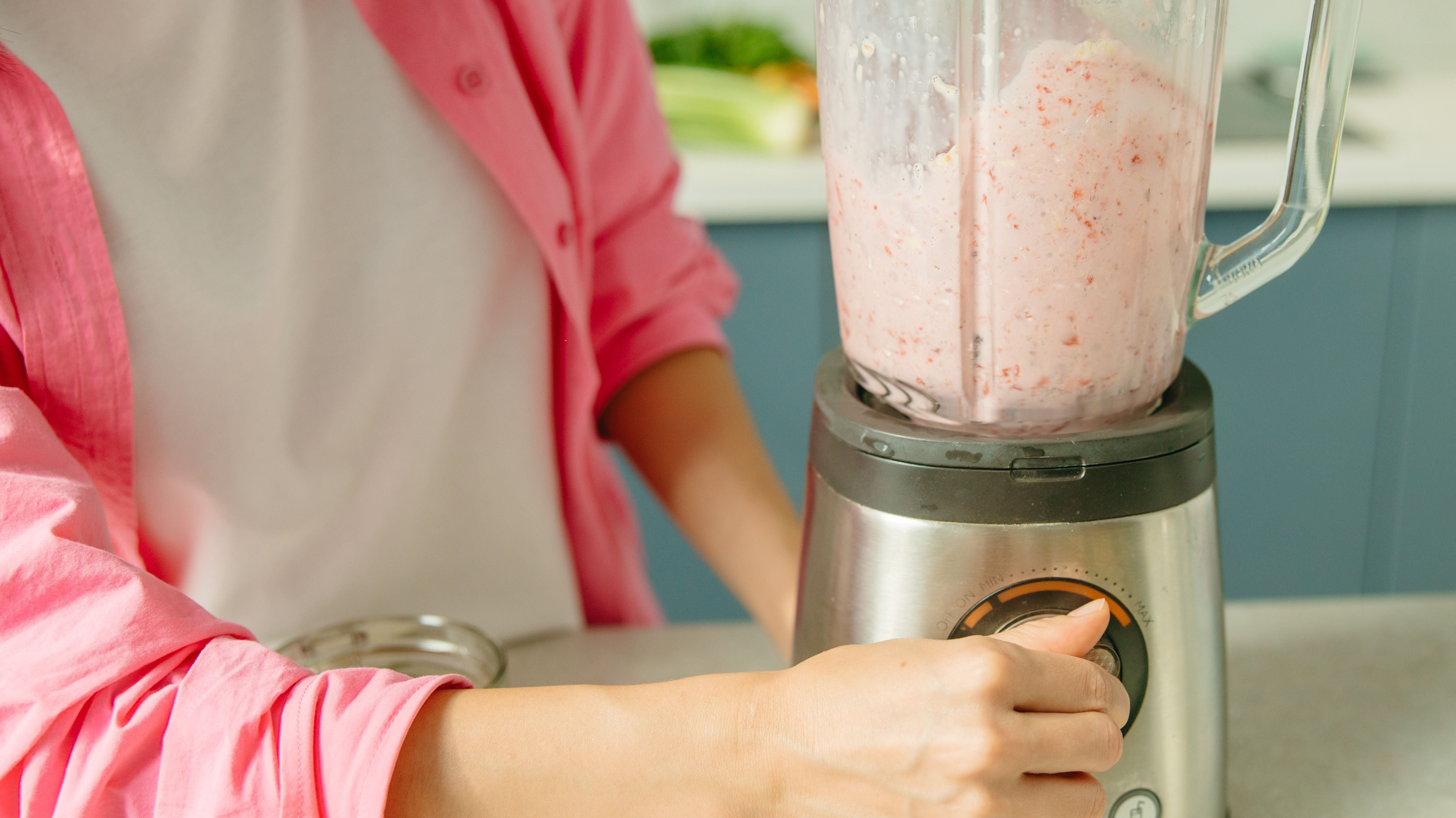
Easy Foods for Cancer Patients When Nausea Comes and Goes
You might crave toast at 10 a.m., then feel queasy looking at it an hour later. Here are gentle, flexible ways to eat and drink when nausea comes and goes.
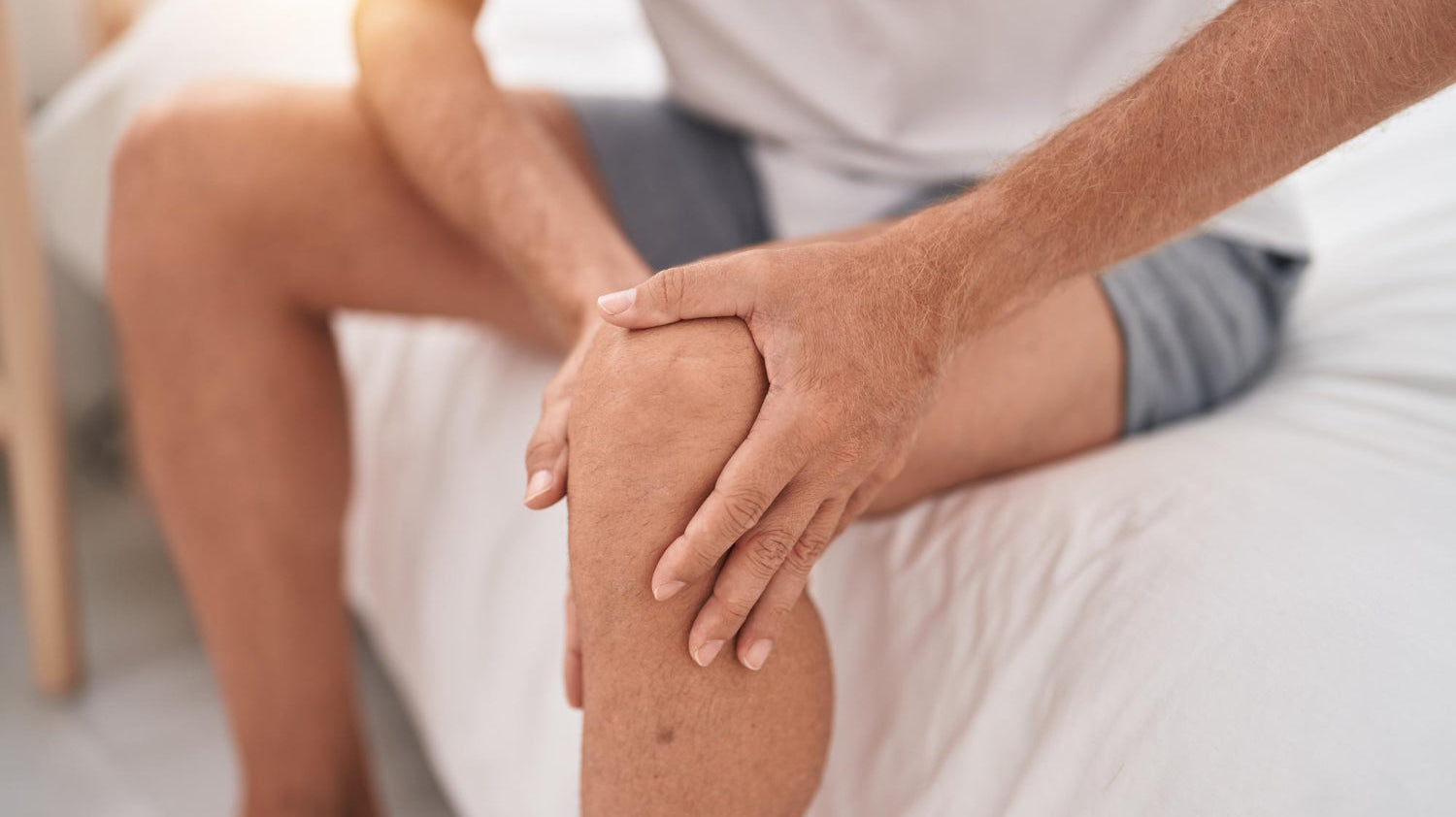
Why Am I So Tired After Cancer Treatment? Fatigue and Joint Pain
You finish treatment and expect energy to return. Instead your body feels heavy and your joints ache. Cancer-related fatigue often lingers well beyond the last appointment, and it does not mean you are doing something wrong.
The Power of Small: Micro-Habits That Make Days Easier
During treatment, advice comes from every direction. Here are small habits that fit the day you are actually living, without turning care into a project.


