


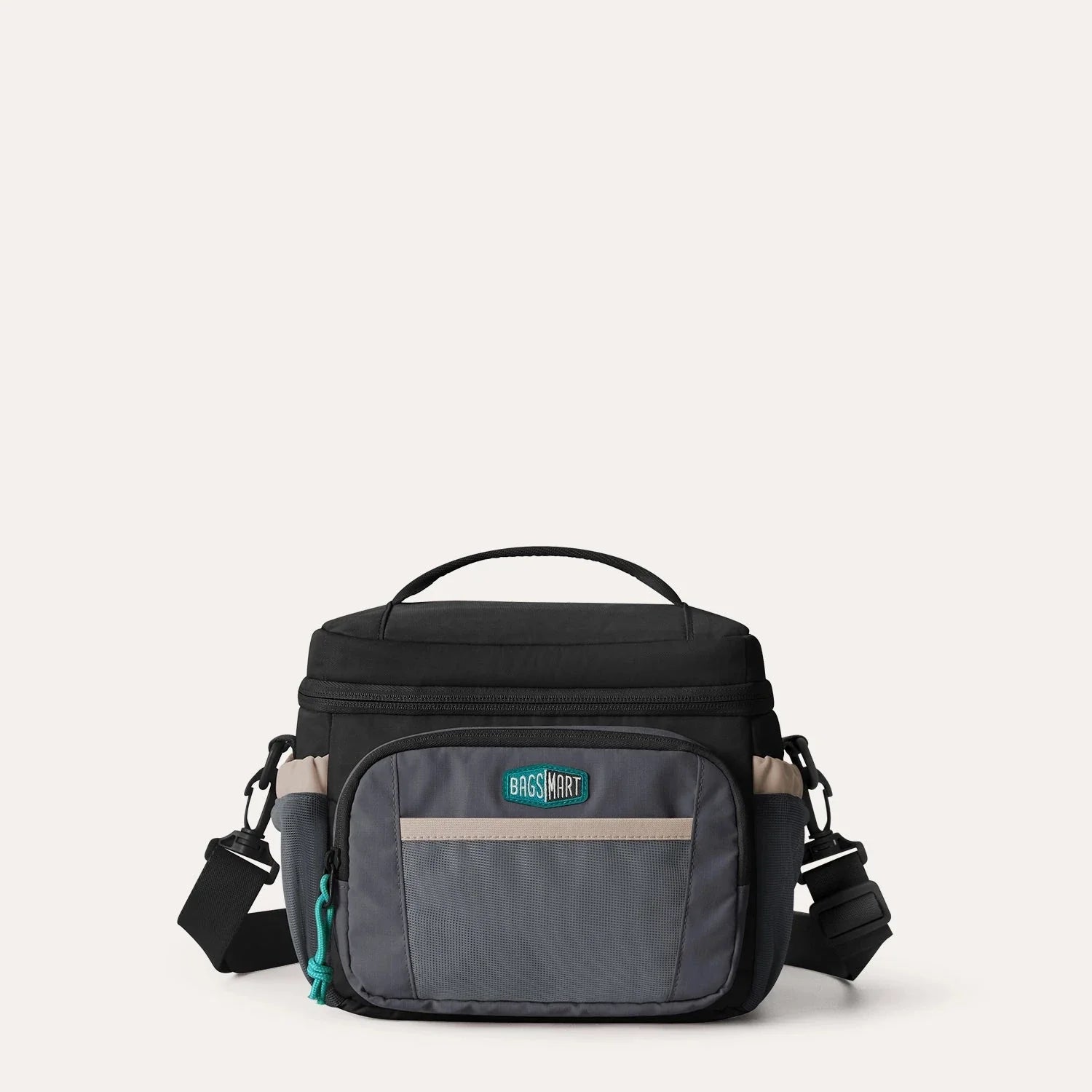
Description
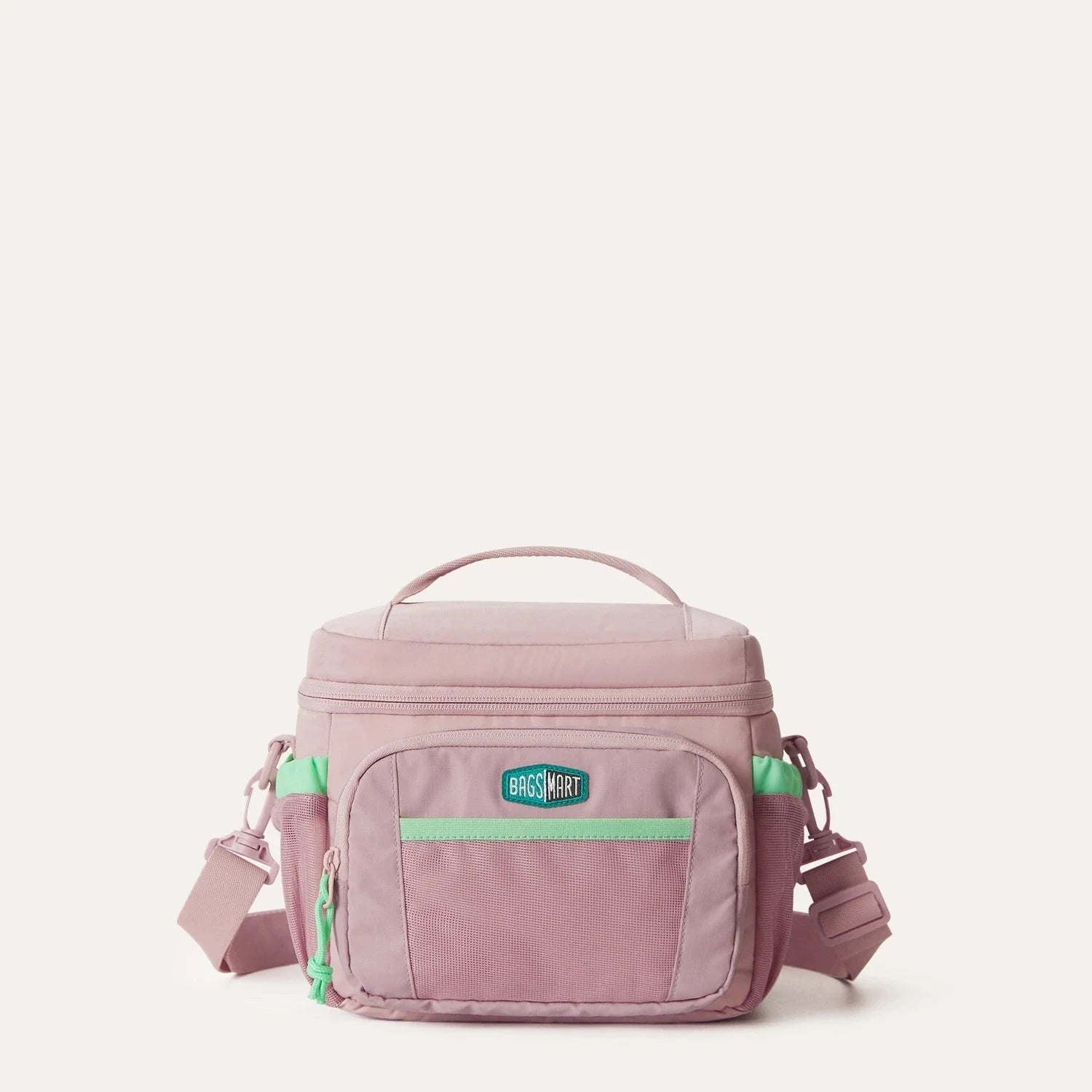
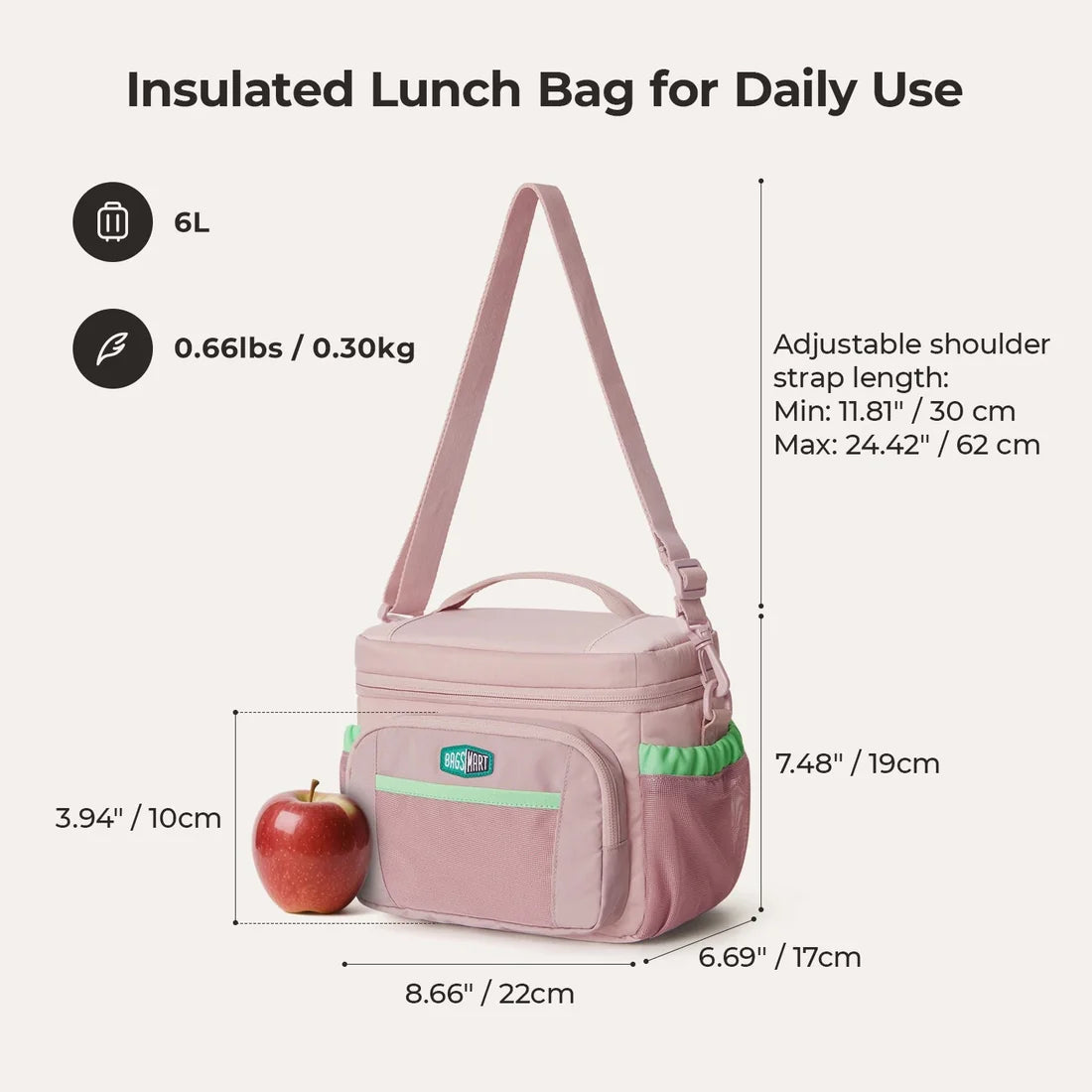
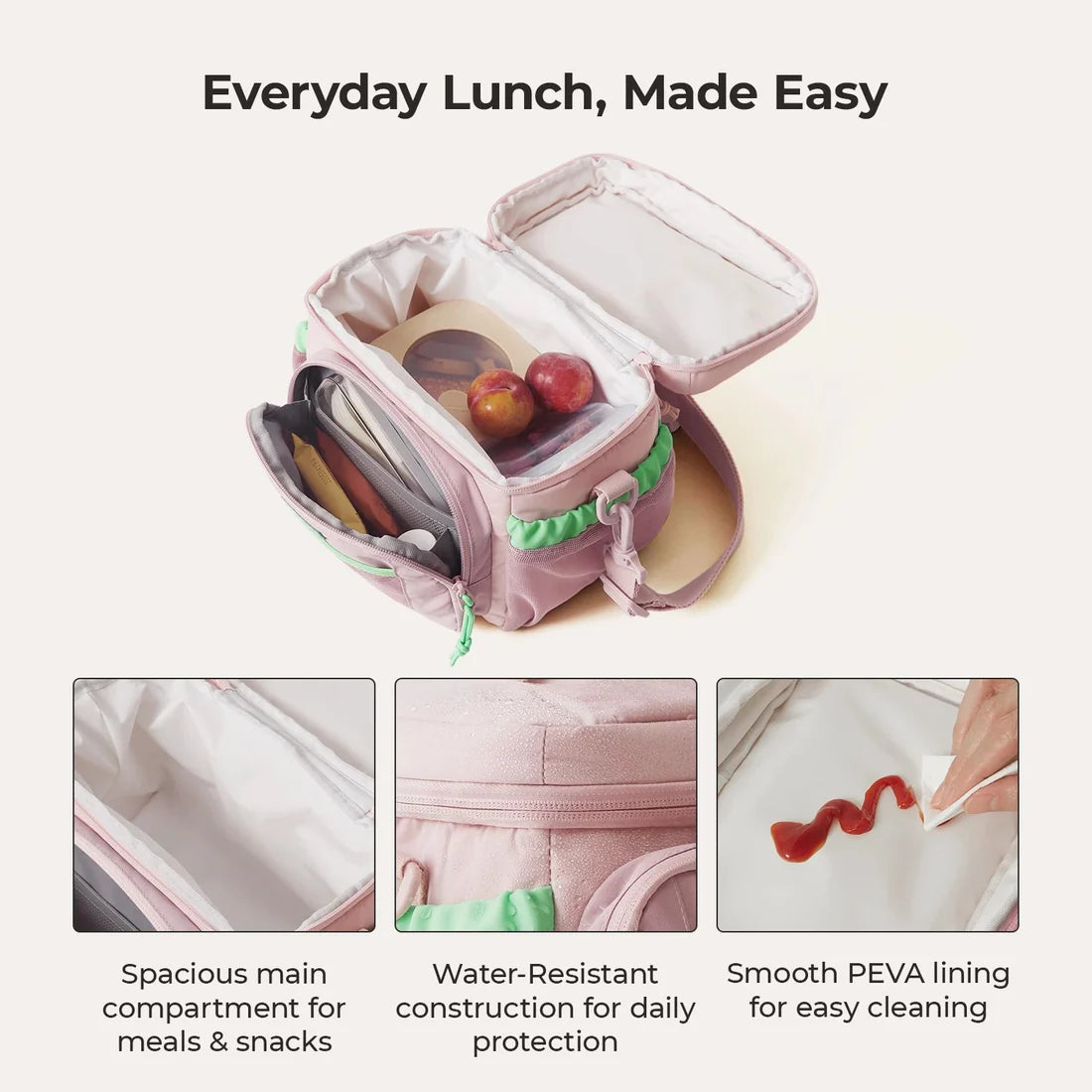
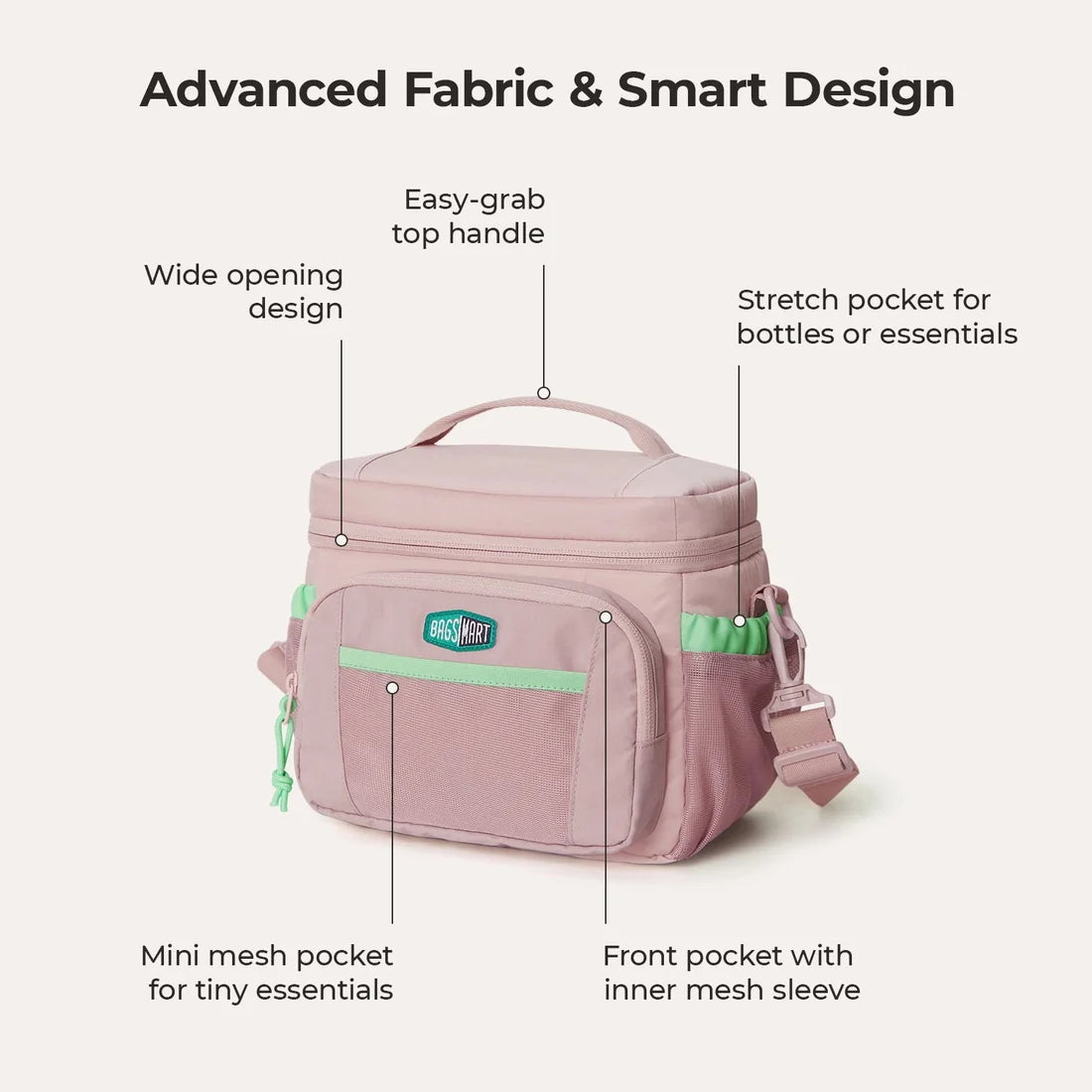
The Focus Lunch Bag packs a full-course upgrade—wide-mouth opening for easy ''forklift,'' high-efficiency insulation that keeps your soup steamy or salad chill, and a leak-proof, antibacterial lining so fresh it could host a cooking show. Toss it over your shoulder, pair it with your Focus backpack, and bite into a commuter-friendly carry that never gets soggy. Keeps meals hot or cold Leak-proof PVEA lining Antibacterial interior Top handle or crossbody strap Easy-clean nylon exterior
Why It Matters
A lunch tote or cooler bag helps keep meals and snacks fresh, safe, and ready—whether you’re at appointments, in the hospital for hours, or out for the day. It makes it easier to bring foods that feel tolerable, especially when taste changes or sensitivities limit your options.
It’s a simple way to stay nourished on your own terms, without relying on whatever happens to be available.
The Focus Lunch Bag packs a full-course upgrade—wide-mouth opening for easy ''forklift,'' high-efficiency insulation that keeps your soup steamy or salad chill, and a leak-proof, antibacterial lining so fresh it could host a cooking show. Toss it over your shoulder, pair it with your Focus backpack, and bite into a commuter-friendly carry that never gets soggy. Keeps meals hot or cold Leak-proof PVEA lining Antibacterial interior Top handle or crossbody strap Easy-clean nylon exterior
Blog posts

Ginger for Cancer Care: Supporting Nausea, Dry Mouth & Recovery
Ginger has long been used in traditional medicine to support digestion and overall wellness, and emerging research suggests it may also help ease common side effects of cancer treatment such as nausea, dry mouth, and appetite loss. This article explores how ginger’s active compounds—gingerol, shogaols, and paradols—may support patients during chemotherapy and radiation by promoting hydration, stimulating saliva production, improving taste perception, and encouraging food intake. Learn practical, gentle ways to incorporate ginger into daily routines to support comfort, nutrition, and recovery during cancer care.

I’m Losing My Hair During Cancer Treatment — Now What?
You might learn about hair loss in a quick conversation with your care team. You might read it in a pamphlet. It can still feel unreal, right up until the day you notice more strands in the shower or your brush fills faster than usual.

Understanding Non-Medical Needs During Cancer Treatment: Support Beyond the Hospital
Cancer care is usually centered on appointments, such as scans and infusions. Yet most of life during treatment and recovery happens somewhere else entirely. At home. In the car. At the kitchen table. In moments when symptoms arise without warning.
At Salto Health, survivors and caregivers can find resources and support designed to fit naturally into daily life during treatment. Routine helps you meet who you are now, with care.


