


Description
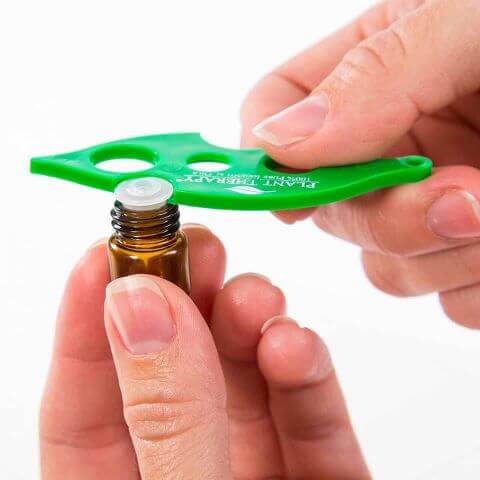
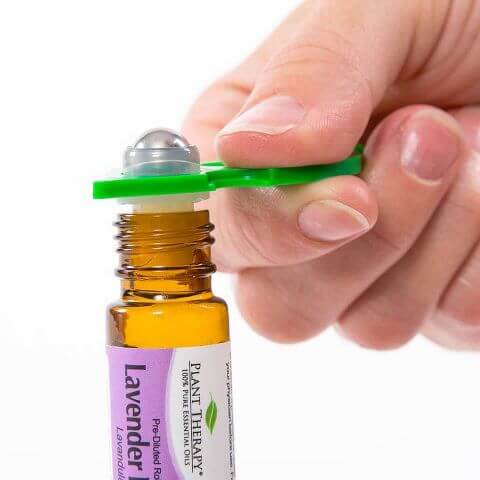
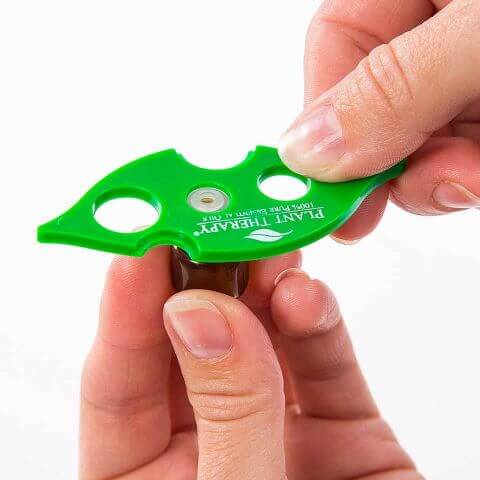
Uncap and reseal essential oil bottles with this handy Essential Oil Bottle Opener Tool. This versatile, easy-to-use accessory can be used for both rollerball and orifice reducer (Euro-dropper) caps. No need to struggle with your fingernails, knife, or other devices when refilling your bottles. This hard plastic tool is specifically designed to open and seal your essential oil bottles and the sturdy plastic won't scratch your rollerballs.
The tool is shaped like the Plant Therapy leaf logo, and has a hole that can be used for attaching to a keychain. It is designed to help you quickly and easily uncap and then tightly reseal most bottle sizes: 5 mL, 10 mL, 30 mL, and 100 mL.
Why It Matters
Uncap and reseal essential oil bottles with this handy Essential Oil Bottle Opener Tool. This versatile, easy-to-use accessory can be used for both rollerball and orifice reducer (Euro-dropper) caps. No need to struggle with your fingernails, knife, or other devices when refilling your bottles. This hard plastic tool is specifically designed to open and seal your essential oil bottles and the sturdy plastic won't scratch your rollerballs.
The tool is shaped like the Plant Therapy leaf logo, and has a hole that can be used for attaching to a keychain. It is designed to help you quickly and easily uncap and then tightly reseal most bottle sizes: 5 mL, 10 mL, 30 mL, and 100 mL.
Blog posts

Sleep Problems After Cancer Treatment: Evening Rituals That Help
You can be exhausted all day and still feel wide awake the moment your head touches the pillow. That part can feel especially unfair. Rest does not have to be perfect to count, and winding down still has value on the nights sleep takes its time.
Easy Foods for Cancer Patients When Nausea Comes and Goes
You might crave toast at 10 a.m., then feel queasy looking at it an hour later. Here are gentle, flexible ways to eat and drink when nausea comes and goes.

Why Am I So Tired After Cancer Treatment? Fatigue and Joint Pain
You finish treatment and expect energy to return. Instead your body feels heavy and your joints ache. Cancer-related fatigue often lingers well beyond the last appointment, and it does not mean you are doing something wrong.


