


Description
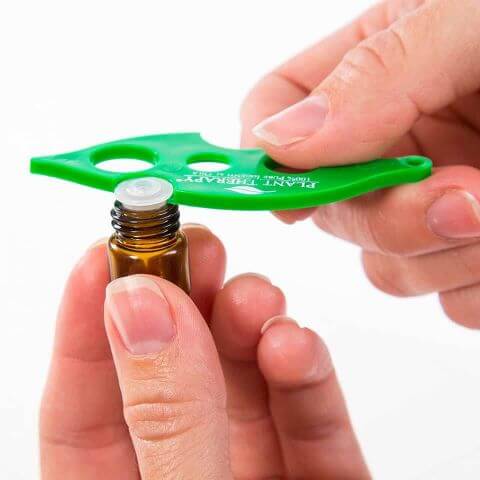
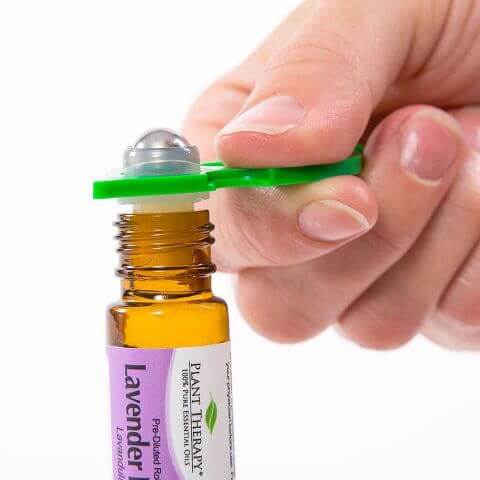
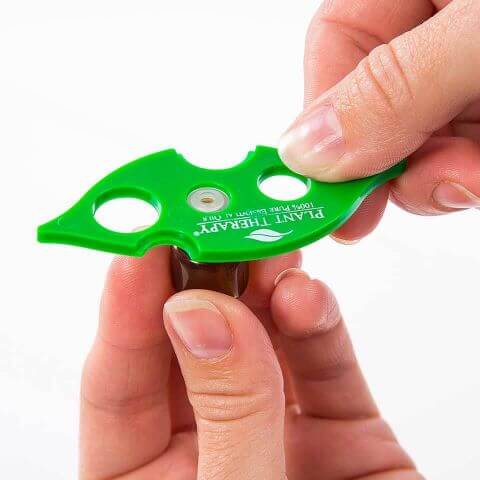
Uncap and reseal essential oil bottles with this handy Essential Oil Bottle Opener Tool. This versatile, easy-to-use accessory can be used for both rollerball and orifice reducer (Euro-dropper) caps. No need to struggle with your fingernails, knife, or other devices when refilling your bottles. This hard plastic tool is specifically designed to open and seal your essential oil bottles and the sturdy plastic won't scratch your rollerballs.
The tool is shaped like the Plant Therapy leaf logo, and has a hole that can be used for attaching to a keychain. It is designed to help you quickly and easily uncap and then tightly reseal most bottle sizes: 5 mL, 10 mL, 30 mL, and 100 mL.
Why It Matters
Uncap and reseal essential oil bottles with this handy Essential Oil Bottle Opener Tool. This versatile, easy-to-use accessory can be used for both rollerball and orifice reducer (Euro-dropper) caps. No need to struggle with your fingernails, knife, or other devices when refilling your bottles. This hard plastic tool is specifically designed to open and seal your essential oil bottles and the sturdy plastic won't scratch your rollerballs.
The tool is shaped like the Plant Therapy leaf logo, and has a hole that can be used for attaching to a keychain. It is designed to help you quickly and easily uncap and then tightly reseal most bottle sizes: 5 mL, 10 mL, 30 mL, and 100 mL.
Blog posts

When People Disappear: Friendship and Isolation During Cancer
Some of the people you expected to show up will not. Others you barely knew will turn out to be extraordinary. Almost nobody warns you that a diagnosis rearranges your relationships, and that the sorting can hurt as much as the treatment.

Caring for Someone With Cancer Without Disappearing Yourself
Every caregiver says a version of the same sentence: I am fine, it is not about me. They mean it. It is also not true, and it is not sustainable. The household is running on you, and that deserves attention too.

Chemo Brain Is Real: Living With Cognitive Changes During Treatment
You walk into a room and cannot remember why. A word you have used your whole life is suddenly gone. Cognitive changes during and after treatment are common and recognized, and being unable to point to them on a scan does not make them imaginary.


