You finish treatment and expect energy to return. Instead, your body feels heavy and your joints ache. Simple tasks take more effort than they used to. Many survivors quietly wonder why recovery feels slower than expected.
Cancer-related fatigue often lingers well beyond the last appointment. It can bring confusion, self-doubt, and even guilt. You may hear comments like “you’re done now” and question why your body doesn’t match that idea of being finished.
This experience is common. It’s real. And it doesn’t mean you’re doing something wrong. This article offers reassurance and small, manageable ways to tend to lingering fatigue and achy joints.
Why Fatigue After Cancer Treatment Doesn’t End Right Away
Cancer treatment demands a great deal from the body. Even after chemotherapy, surgery, or hormone therapy ends, healing continues quietly under the surface. Energy often returns in stages, not all at once.
Many survivors experience cancer-related fatigue, a deep, stubborn tiredness that rest alone doesn’t always resolve. It can feel different from everyday exhaustion. This fatigue stems from the body repairing tissue, rebalancing systems, and adjusting after months of strain.
It’s common to ask, why am I so tired after cancer treatment? The answer usually involves more than one factor. Physical recovery, emotional stress, disrupted sleep, and ongoing adjustments all play a role. Fatigue doesn’t signal weakness. It reflects how much your body has carried.
Joint Pain After Cancer Treatment
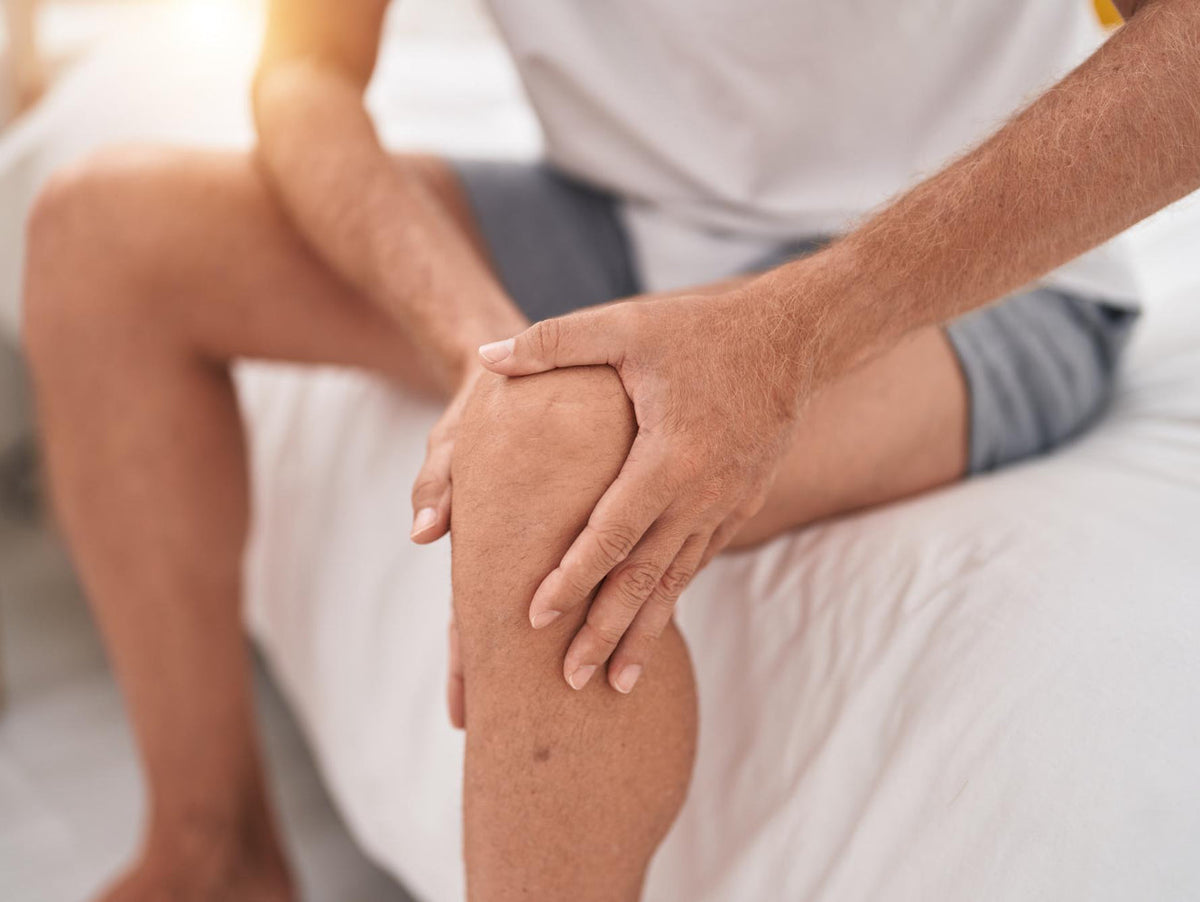
Fatigue often arrives with stiffness or soreness in the joints. Joint pain after cancer treatment can show up in the hands, knees, hips, or shoulders. Some survivors notice it in the morning. Others feel it after sitting still for too long.
Achy joints after chemotherapy may relate to changes in circulation, muscle tone, or hormonal balance. The body can take time to recalibrate after months of treatment. Joints may respond slowly, even when scans look clear and appointments grow fewer.
This discomfort can feel discouraging, especially when movement once felt effortless. It’s understandable to feel impatient. Still, joint aches don’t mean you’ve stalled or failed. They signal a body still finding its footing.
Cancer-Related Fatigue Does Not Mean You’re Falling Short
Alongside physical fatigue, many survivors carry a heavier mental weight. When energy drops, self-criticism often moves in.
Thoughts like I should be doing more or Why can’t I keep up? show up easily. Fatigue does not reflect laziness, rather, it reflects recovery in progress. Your body sets its own pace, even when expectations pull in another direction.
Letting go of the “lazy” label can feel difficult. Still, self-compassion supports healing far more than pressure. Meeting your body where it is allows progress to unfold without constant strain.
Small Ways to Support Fatigue After Cancer Treatment
Supporting energy levels doesn’t require dramatic changes. Small adjustments often provide the most relief.
Break tasks into shorter segments. One load of laundry, one email, one errand at a time reduces mental and physical drain. Rest between activities without guilt. Rest supports recovery.
Create simple daily rhythms. Waking, eating, and resting around similar times gives the body a sense of predictability. That steadiness often improves energy over time.
Focus on one task at a time, and pay attention to body signals. If fatigue increases, pause. If energy rises slightly, move gently. Progress after cancer rarely follows a straight line. These supports offer flexibility rather than rules.
Caring for Achy Joints After Chemotherapy
Joint discomfort often responds best to gentle care. Small movements keep joints from stiffening without pushing them too far.
Light stretching helps many survivors ease stiffness. Stretch slowly and stop before discomfort sharpens. Warmth, such as a heating pad or warm shower, can soothe tight areas. Others prefer cool packs for calming soreness. Follow what feels supportive.
Incorporate movement into daily life rather than formal exercise. Short walks, slow household tasks, or simple range-of-motion movements help joints stay mobile.
These adjustments help make daily movement feel more manageable, one small step at a time.
Find Your Own Pace
Cancer-related fatigue and achy joints affect many survivors after treatment. These experiences are shared, valid, and deserving of care. Recovery doesn’t follow a schedule, and tending to your body doesn’t require urgency.
Small supports add up over time. Rest, gentle movement, and self-compassion create space for healing to continue.
At Salto Health, survivors can find non-medical resources and thoughtfully curated tools that support daily comfort and life beyond treatment at a pace that feels right.