Some days, food sounds possible in the morning and impossible by lunch. You might crave toast at 10 a.m., then feel queasy just looking at it an hour later. That stop-start feeling can be maddening.
Cancer and nausea can make eating feel unpredictable. Appetite may shift by the day, or even by the hour. That doesn’t mean you’re being difficult. It means your body is reacting to treatment, stress, fatigue, and everything else it’s carrying.
Nourishment can be small. It can be flexible. It does not have to look like a full meal to matter.
Understanding Cancer and Nausea Around Mealtimes
Nausea during cancer treatment can come from many places. Treatment itself may affect digestion. Medications can change appetite. Stress can settle in the stomach. Smells may suddenly feel too strong. Fatigue can make chewing, cooking, or even deciding what to eat feel like work.
Loss of appetite during cancer treatment can feel frustrating because it changes so quickly. Something that tasted fine yesterday may feel impossible today.
Try not to read that as failure. Your preferences may change because your body is trying to get through something tough. If nausea is persistent or severe, your care team may have options that can help — it's always worth asking.
Nourishment When a Full Meal Feels Like Too Much
A full plate can feel overwhelming when nausea keeps coming and going. Sometimes the sight of too much food is enough to turn your stomach.
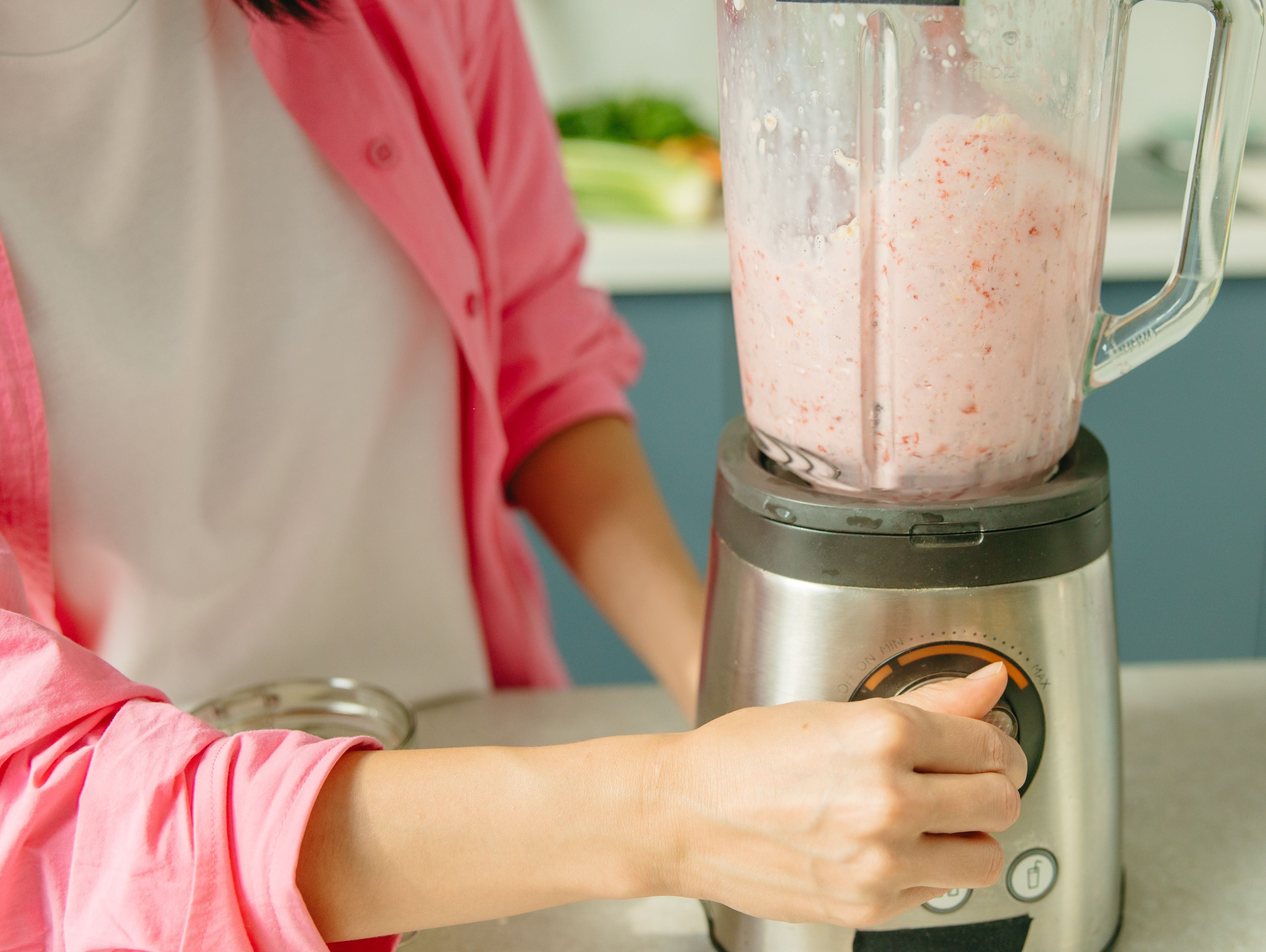
Think smaller. A few crackers. Two bites of toast. Half a banana. A small bowl of applesauce. A sip of smoothie. These still count.
Keeping simple foods nearby can help when a short window of appetite appears. You may not feel ready to cook, but you might manage something already within reach.
The goal is not to eat normally. The goal is to find what feels possible in that moment.
Easy Foods for Cancer Patients When Nausea Comes and Goes
Food choices often come down to smell, texture, temperature, and timing.
Some people do better with mild-smelling foods. Others prefer cool foods because warm meals release stronger smells. Soft textures may feel easier when chewing feels tiring. Bland options can feel safer on unsettled days.
Some easy foods for cancer patients may include:
-
Crackers or dry toast
-
Plain rice or noodles
-
Applesauce
-
Smoothies
-
Yogurt
-
Chilled fruit
-
Broth or simple soup
-
Popsicles or ice chips
None of these are magic fixes. One may help today and sound awful tomorrow. That’s okay. Keep the list flexible.
Keeping Easy Foods Ready for Low-Appetite Days
It can help to make a short “backup list” for low-appetite days. Not a meal plan. Just a few foods that usually feel less risky.
Try keeping both shelf-stable and fridge options around. Crackers, rice cups, applesauce pouches, or broth can sit nearby. Yogurt, smoothies, protein shakes, chilled fruit, or soft cheese may work from the fridge.
Revisit the list often. Cross things off when they stop working. Add new ones when something feels surprisingly okay.
This list is not about discipline. It’s about making one hard moment a little easier.
Gentle Hydration When Food Feels Hard
On days with severe nausea, drinking may feel more doable than eating. Small sips can help when a full glass feels like too much.
Water counts. Ice chips count. Diluted juice, herbal tea, or electrolyte drinks may help if your care team says they fit your needs. Some people find cold drinks easier. Others prefer room temperature.
Ask your care team about hydration goals, especially if nausea makes drinking difficult. If you cannot keep liquids down, call your care team rather than waiting for your next appointment.
You do not have to gulp anything down. A few sips at a time can be a gentler place to start.
Supporting Someone With Loss of Appetite During Cancer Treatment
Caregivers often want to help by offering food. That care is real. Still, pressure can make eating harder.
Try offering two simple choices: “Would cold fruit or toast feel easier?” or “Would a smoothie be too much right now?” Choices feel softer than reminders.
Eating together can help, too, if it doesn’t make the survivor feel watched. Sit nearby. Have a small snack yourself. Talk about something other than intake.
Support works best when food feels like care, not a test.
Nourishment Can Be Gentle and Flexible
Eating during treatment may not look normal for a while. That does not mean it has no value.
A few bites, a sip, a cold snack at the right moment — these small things can still support you.
At Salto Health, survivors and caregivers can find supportive products that help make treatment days feel a little easier — from nausea and hydration support to simple comfort items. Nourishment can meet you where you are.