Food and nutrition needs often change during cancer treatment. Meals that once brought comfort can now seem heavy or unappealing. Smells can turn sharp. Taste can fade or shift. Nausea may arrive without warning. Fatigue can drain the desire to sit at the table at all.
For many families, this shift can create distance. Shared dinners are harder to manage. Survivors may feel isolated when they can’t enjoy what others eat. Caregivers may feel unsure how to help without adding pressure.
Nutrition for survivors matters during these moments, yet it doesn’t have to look perfect. Sometimes, nourishment shows up as a small snack shared quietly. Those moments are like a warm hand on the back when energy is low.
Nutrition and Cancer: More Than Just Eating
Eating during treatment is not that simple. Food becomes tied to symptoms and side effects. Survivors are disconnected from family routines when meals no longer work the same way.
This shift often carries emotional weight. Sitting at the table without eating or needing something different from everyone else can be lonely. Caregivers have to be careful about saying the wrong thing or pushing too hard.
These experiences are common. They don’t signal failure or lack of effort. Nutrition during cancer includes emotional comfort alongside physical needs. A shared snack can reduce the sense of separation and restore a feeling of togetherness, even when appetite stays low.
Cancer-Related Fatigue and Appetite Shifts
Cancer-related fatigue is deeper than ordinary tiredness. It can linger even after rest. This exhaustion often affects appetite, making food seem like a task rather than a source of pleasure.
Taste changes, dry mouth or nausea may follow certain treatments. Smells can be overwhelming. Full meals may seem impossible. Many people shift toward smaller portions and easy hydration instead.
Nutrition needs usually focus on energy, protein and fluids during this time. Still, meeting those needs requires flexibility. Gentler options tend to work better than strict plans. Understanding how fatigue and appetite connect can help caregivers offer support without pressure.
Diet and Nutrition for Cancer Patients: When Meals Seem Heavy
When full meals are daunting, snacks often tend to be manageable. Small portions reduce effort as well as expectations.
Diet and nutrition for cancer patients can be adapted in the moment. Snacks fit into quiet windows of energy. They allow families to eat together without forcing structure.
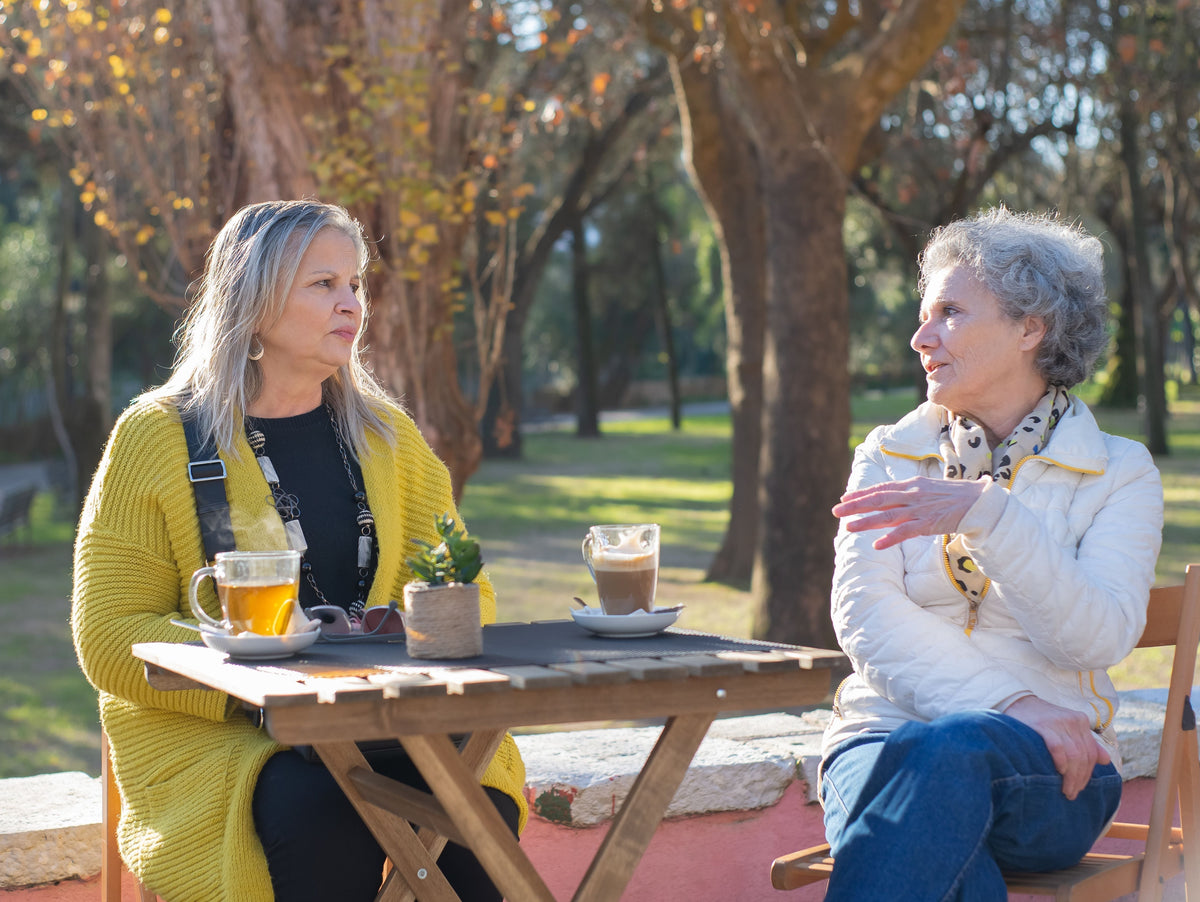
Sharing a snack shifts the focus from eating to connection. Sitting side by side with the same snack can ease isolation. These moments remind survivors they aren’t eating alone, even when their needs differ.
Snacks for Cancer Fatigue
When energy is low, nutritious snacks focus on comfort, ease and tolerance.
Softer textures are easier to tolerate during treatment. Mild flavors are more palatable than strong spices/heavy seasoning. Ready-to-grab options help when fatigue limits preparation.
Snack ideas may include:
- Yogurt or dairy-free alternatives with a smooth texture
- Nut butters spread thinly on toast or crackers
- Soft fruits like bananas or peeled pears
- Cottage cheese or ricotta with a drizzle of honey
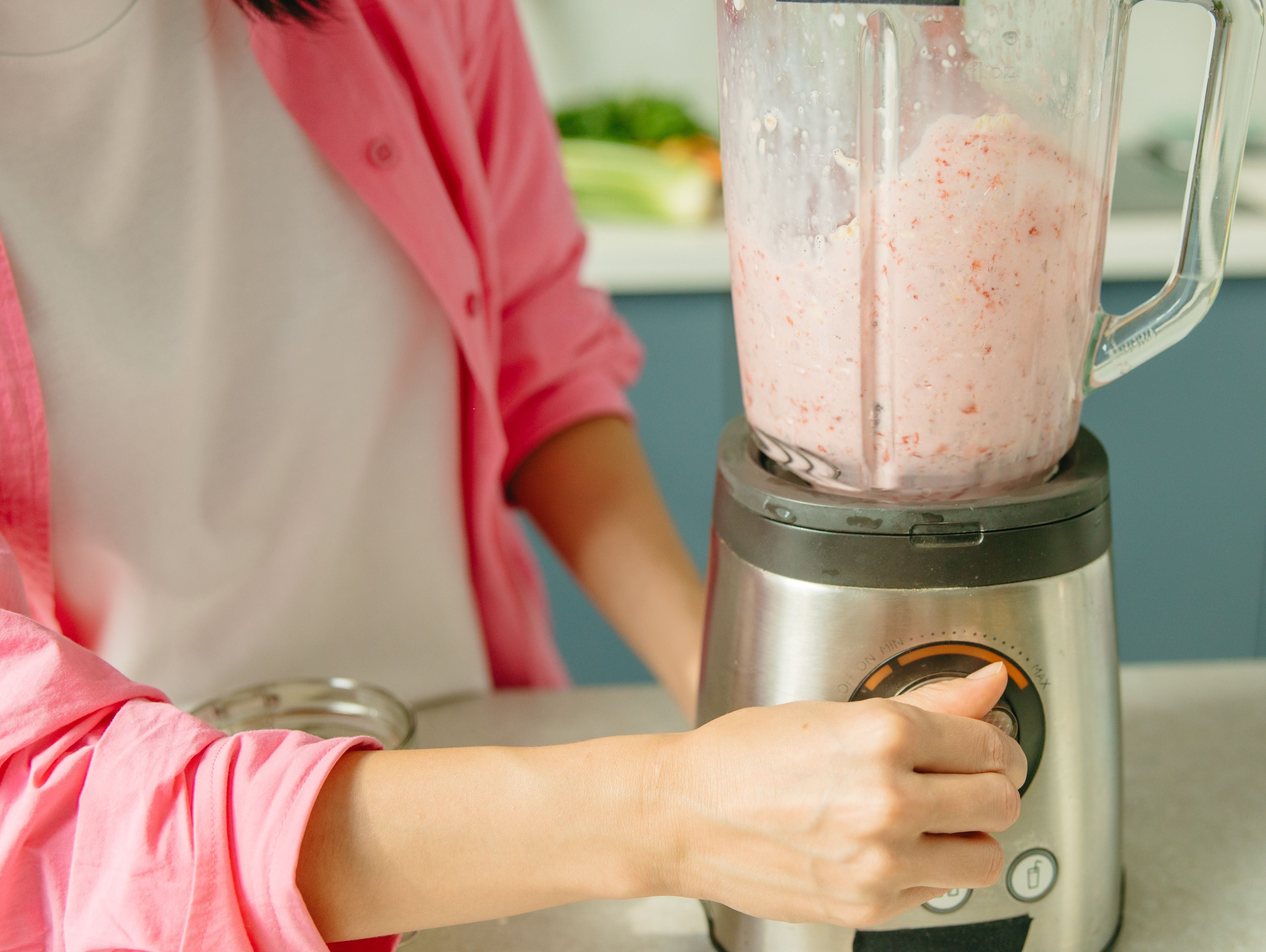
- Protein shakes or smoothies sipped slowly
- Soups in small cups rather than full bowls
- Crackers paired with mild cheese
- Applesauce or pudding when chewing is tiring
Caregivers can ask snack preferences instead of guessing or making assumptions. Asking “Does this sound okay today?” keeps the choice within the hands of the survivor. Or leave options easily accessible if the mood strikes. Snacks for cancer fatigue work best when they respect changing tastes and energy levels.
Turning Nutrition Into Connection
Food creates moments of normalcy for people, even if it’s in the form of a shared snack. Eating the same thing together can ease the sense of being different. It signals companionship without words.
Caregivers can sit down and eat the snack too, even if only a few bites. Presence matters more than quantity. These shared pauses provide comfort when conversations are heavy or energy is scarce.
Nutrition doesn’t need to solve anything in these moments. It can simply be a way to sit together and breathe for a few minutes.
Letting Needs Change Without Frustration
Preferences may shift from day to day. A snack that works one week may stop working the next. Such a change can be discouraging for everyone involved.
Be flexible. The survivor can be just as frustrated when tastes change. Trial and error should guide you on what works and what doesn’t. If you’re adjusting, that means you’re listening.
Patience lets nutrition stay supportive rather than stressful. Try to show that you care through adaptation.
Small Acts Matter
Nourishment doesn’t need to look perfect to matter. A shared snack can lower isolation while creating a moment of care when energy runs low. These small acts carry a lot of meaning, even when one’s appetite is low.
Thoughtful food choices support body, mind and connection. They remind survivors they aren’t navigating this alone.
At Salto Health, caregivers and survivors can find non-medical resources and supportive ideas that honor comfort, flexibility and shared moments during treatment and recovery.