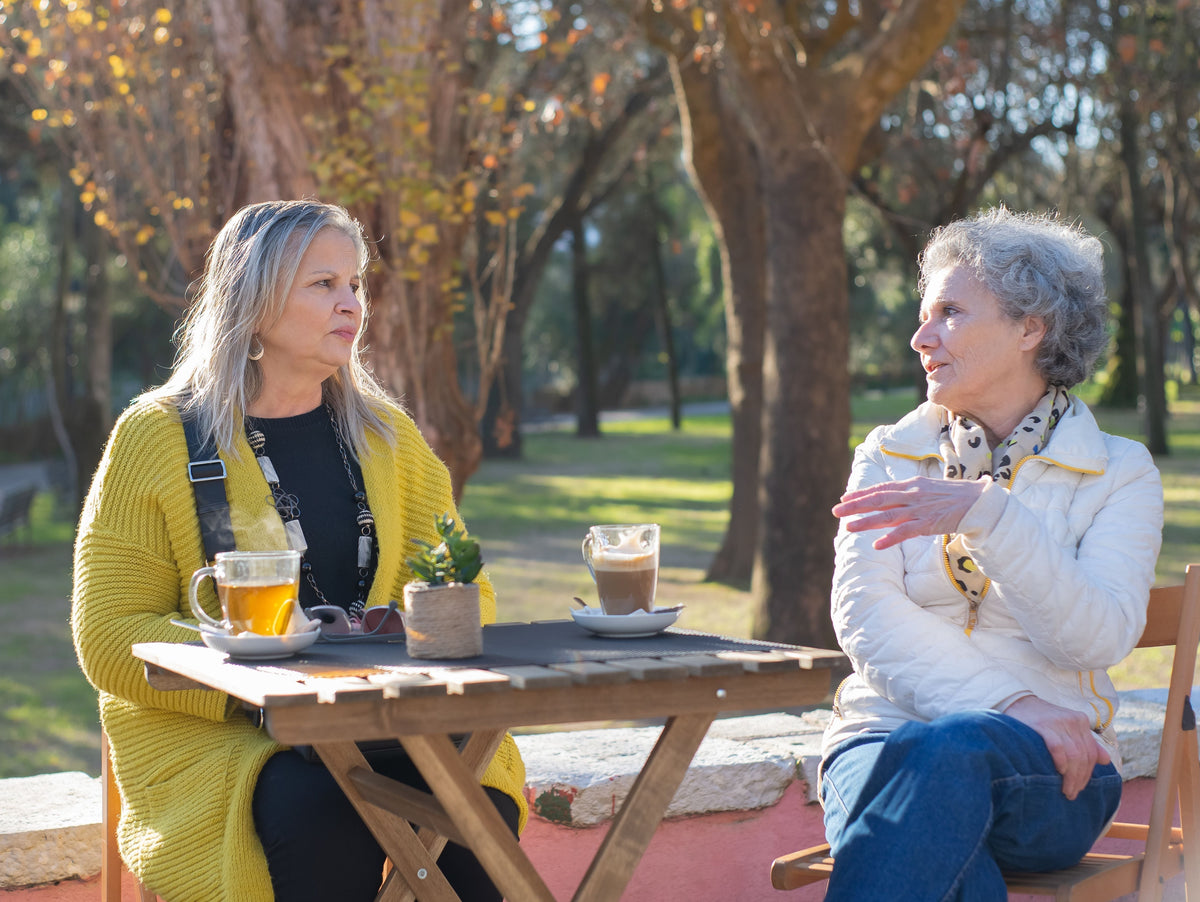
Helping you create a registry that truly supports someone through treatment.
A cancer diagnosis and journey can feel overwhelming. A registry helps friends and family send needed support - practical items that bring comfort, relief, and encouragement during treatment and recovery.
Why Create a Registry?
When someone is diagnosed with cancer, people often ask:
"What can I do to help?"
A registry makes it easy to answer that question.
Instead of guessing, loved ones can send items the patient actually needs — from comfort products to everyday essentials that make treatment days a little easier.
A registry can help with:
- Reducing stress for the patient and caregiver
- Preventing duplicate gifts
- Making it easy for friends and family to help
- Ensuring the patient receives useful, thoughtful items
Step 1: Start with a Few Essentials
You don’t need to add everything at once.
Most registries work best when they start with 10–20 thoughtful items across a few categories. You can always add more as needs change.
Many caregivers begin with items that help during:
Comfort
- Soft blankets
- Comfortable clothing
- Gentle skincare
Hair Loss Support
- Wigs
- Caps and scarves
- Headcovers
Treatment Days
- Lip balm
- Water bottles
- Cozy socks
- Tote bags for appointments
Rest & Recovery
- Sleep masks
- Journals
- Relaxation items
If you’re unsure where to begin, our Starter Collections are a great place to start.
Step 2: Use “Starter Collections”
If you’re feeling unsure about what to add, you’re not alone.
Many caregivers start by browsing Salto Health’s Starter Collections, which are curated groups of helpful products based on common treatment needs.
Starter collections help you quickly find items for:
- Chemotherapy support
- Radiation support
- Comfort during treatment
You can add items directly from these collections to your registry.
Step 3: Think About Daily Life
Treatment affects more than just medical appointments.
Think about items that support everyday life:
- Comfortable clothing for long days
- Easy self-care products (skin care, nutrition support, hydration)
- Things that bring comfort or calm
- Side effect support (nausea, hair loss, fatigue, brain fog, sensitive skin)
Sometimes the most appreciated gifts are the small comforts
people wouldn’t think to buy for themselves.
Step 4: Share the Registry
Once your registry has a enough items, the most important step is sharing it.
People genuinely want to help - they just need guidance.
Consider sharing your registry:
- With close family and friends
- In group chats
- Facebook or other social media where you connect with friends and loved one
- Through email updates
There are often a few people that you can enlist to help field inquiries and share your link. A close neighbor or family member is often willing to help. Don’t hesitate to ask for help. As a caregiver, you don’t have to do it all yourself.
It’s also important to remember that sharing the registry is a natural way for people to help. We all understand how helpful a baby registry or wedding registry is during these major changes in life.
A cancer diagnosis is a critical time in which people desperately want to know how to help.
Let them.
A support registry simply helps people support you in a meaningful way.
Step 5: Update It Over Time
Needs often change during treatment. This is normal and expected.
You can always:
- Add new items
- Remove items
- Update quantities
Many caregivers update their registry every few weeks as treatment progresses.
When there is an update, don’t forget to let people know. People will continue check in and as how things are going. This is a perfect time to share the link again.
A Reminder for Caregivers
Creating a registry isn’t about asking for things.
It’s about giving people a way to help.
Friends, family, and community members often want to support someone during cancer treatment but don’t know how. A registry provides a clear, thoughtful way to do that.