Cancer interrupts the natural rhythm of daily life in ways that can feel hard to explain. Days that once moved with some predictability begin to blur. Things that used to mark time, such as commutes, school drop-offs and weekend plans, quietly fall away during treatment and recovery.
You’re not alone. Many survivors notice this before they can name it. The sense that the day has no edges anymore. During this journey, searching for a routine often isn’t about productivity or getting back on track. It’s about finding something steady to hold onto. A routine during cancer treatment provides you with structure when everything else still feels uncertain.
Redefining Your Routine
Your routine during treatment may look nothing like it did before your diagnosis.
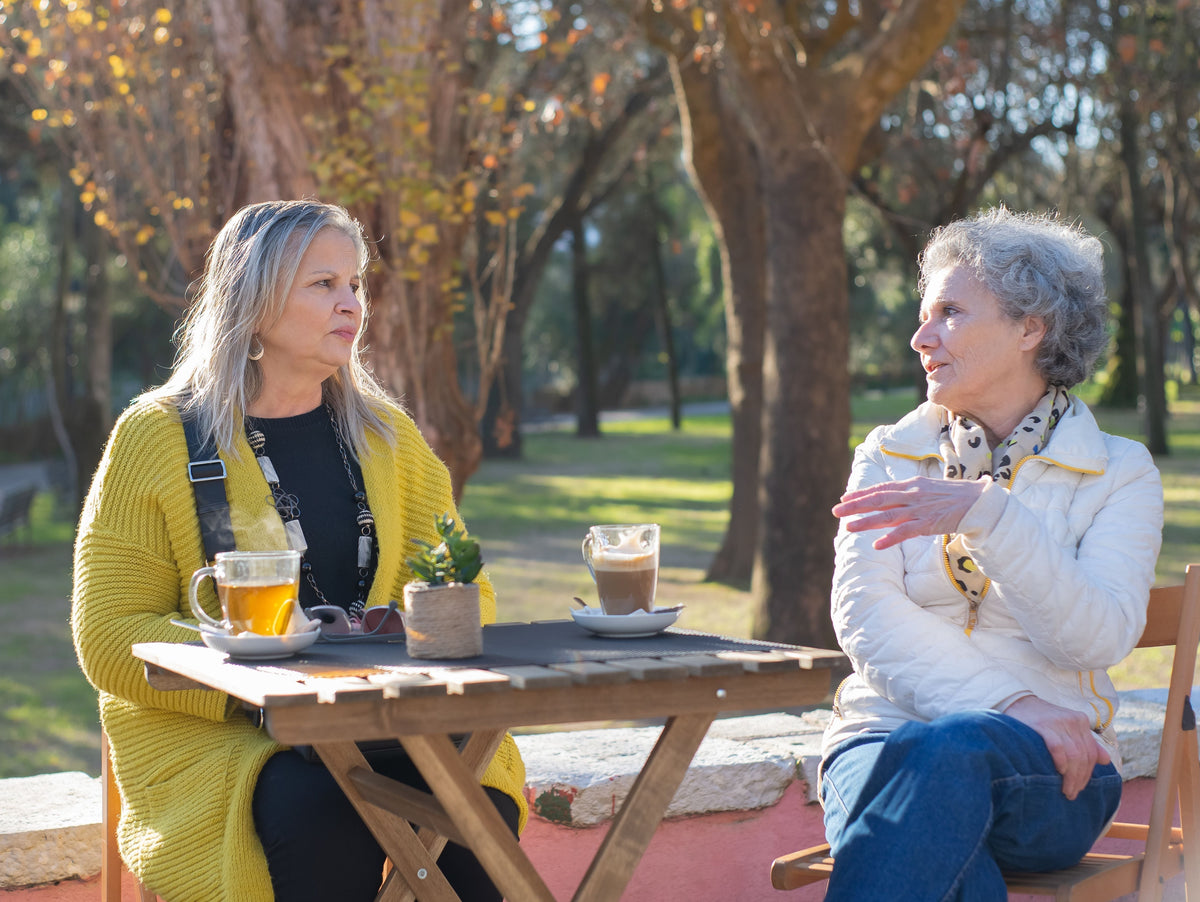
Here, routine becomes a little calmer. It might look like waking up around the same window each morning, sitting in the same chair with your tea, taking medication with a small snack. A short walk or ten minutes of yoga. Closing the day with the same quiet habit, even if the rest of the day feels scattered.
This kind of structure creates reassurance without pressure. You’re allowed to adjust. You’re allowed to skip. Routine exists to support you, not to measure how well you’re “doing” treatment.
How Structure Supports Emotional Well-Being
When life gets unpredictable, even small amounts of structure can reduce mental strain. Knowing what comes next, even loosely, can ease the constant decision-making that treatment often brings.
A routine removes some of that mental noise. It answers small questions before they spiral. What should I do now? Is it okay to rest again? Did I already eat?
Structure doesn’t solve uncertainty, but it can soften its impact. It creates moments of familiarity that help the nervous system settle.
Creating a Routine That Fits Your Body and Your Journey
Your routine works best when it reflects your current phase and energy level. Someone actively in treatment may need a very different rhythm than someone months into treatment. It’s important to remember that two people on chemotherapy may be on very different regimens. While we often find similarities in the journey, no two are exactly the same. Your journey is just that…yours.
That said, many survivors benefit from keeping wake times within a broad range rather than a fixed hour. Many find it helpful to anchor meals or hydration to certain times of day. Rest windows can be just as important as activity windows, don’t forget to include them in your day.
Routines can be partial. You may only shape the morning or evening, that still counts. The goal is alignment with what your body can manage today.
Everyday Anchors That Support Routine During Treatment
Small anchors can gently shape the day without turning into tasks. Morning light through a window can signal the start of the day. A short stretch or quiet movement can mark the transition out of sleep.
Meals or hydration breaks often serve as natural pauses. They create moments to check in with yourself. Evenings may include dimming lights, changing into comfortable clothes or sitting in the same chair each night.
These anchors are flexible. Some days you may use several. Other days, one is enough. Routine grows from repetition, but you don’t have to do everything at once.
When a Routine Needs to Change
Some days, routine falls apart. Symptoms flare. Appointments run long. Energy disappears. This does not mean you failed or lost progress.
Routine serves your body, not the other way around. You may be entering or adjusting to a new phase in the journey, your routine should adjust with you. Or if it’s an unexpected change for a short period, you can restart later that day, the next morning or next week.
Keeping some flexibility within your routine keeps it supportive instead of burdensome. Restarting without judgment, or a feeling of failure, allows you to move forward in a positive way, one step at a time.
Support Structure Matters
Loved ones often want to help by encouraging routine. Support works best when it respects personal pace and preference. Quietly protecting rest time, helping maintain meal rhythms or joining in gentle activities can reinforce structure without pressure.
For example, kindly asking visitors to be mindful of timing or offering to prepare meals or snacks can reduce the mental and physical load while allowing caregivers to participate where it matters most.
For survivors, autonomy remains central to healing. Unfortunately, symptoms and concerns can change from day to day, (sometimes hour to hour) so it’s important to remember that routine should not be so strictly enforced that it removes that autonomy.
Routine as a Way Back to Yourself
Routine during treatment is not a finish line. It’s a bridge. It helps reconnect you with a sense of self when life starts to get unfamiliar.
You get to decide what steadies you. Some days, that may be one small anchor. Other days, a fuller rhythm returns. Both are valid.
At Salto Health, survivors and caregivers can find resources and support designed to fit naturally into daily life during treatment. Routine helps you meet who you are now, with care.