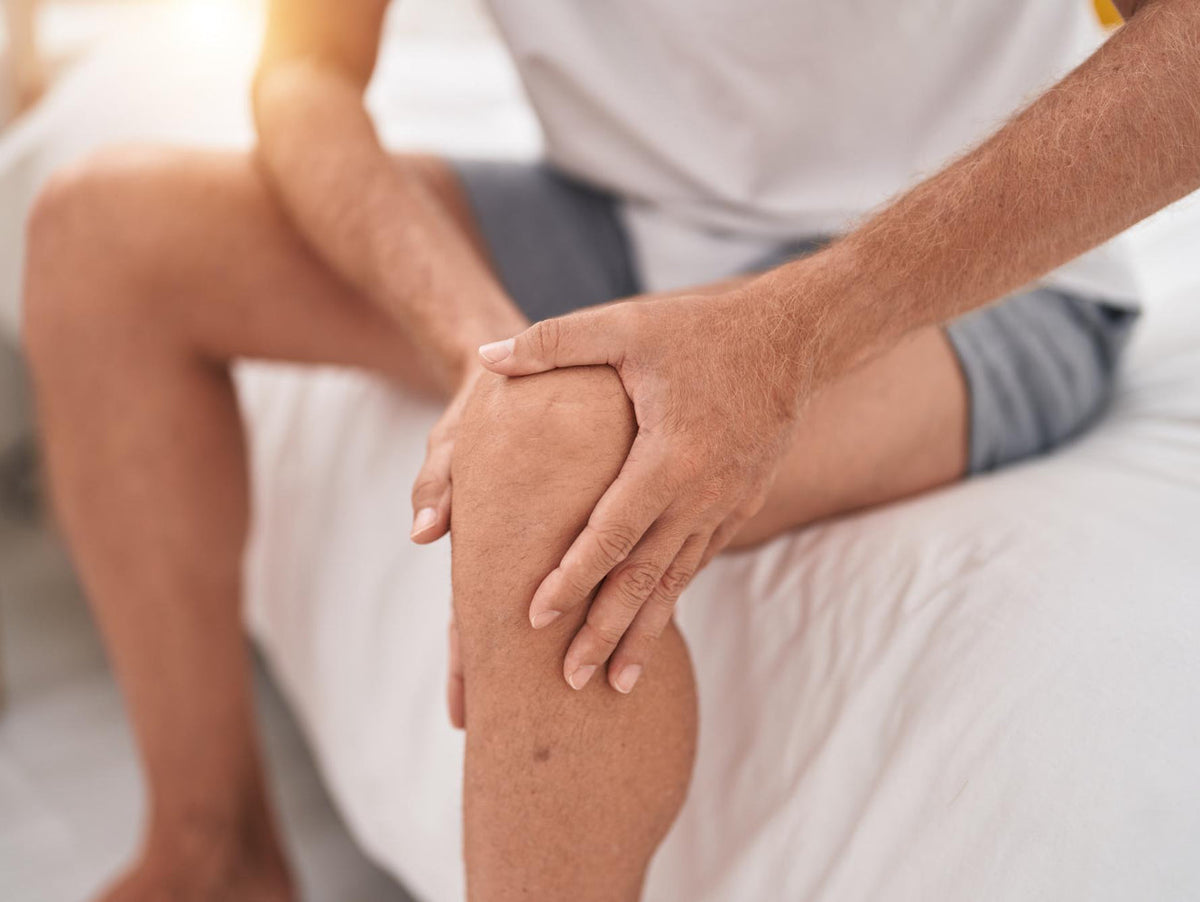
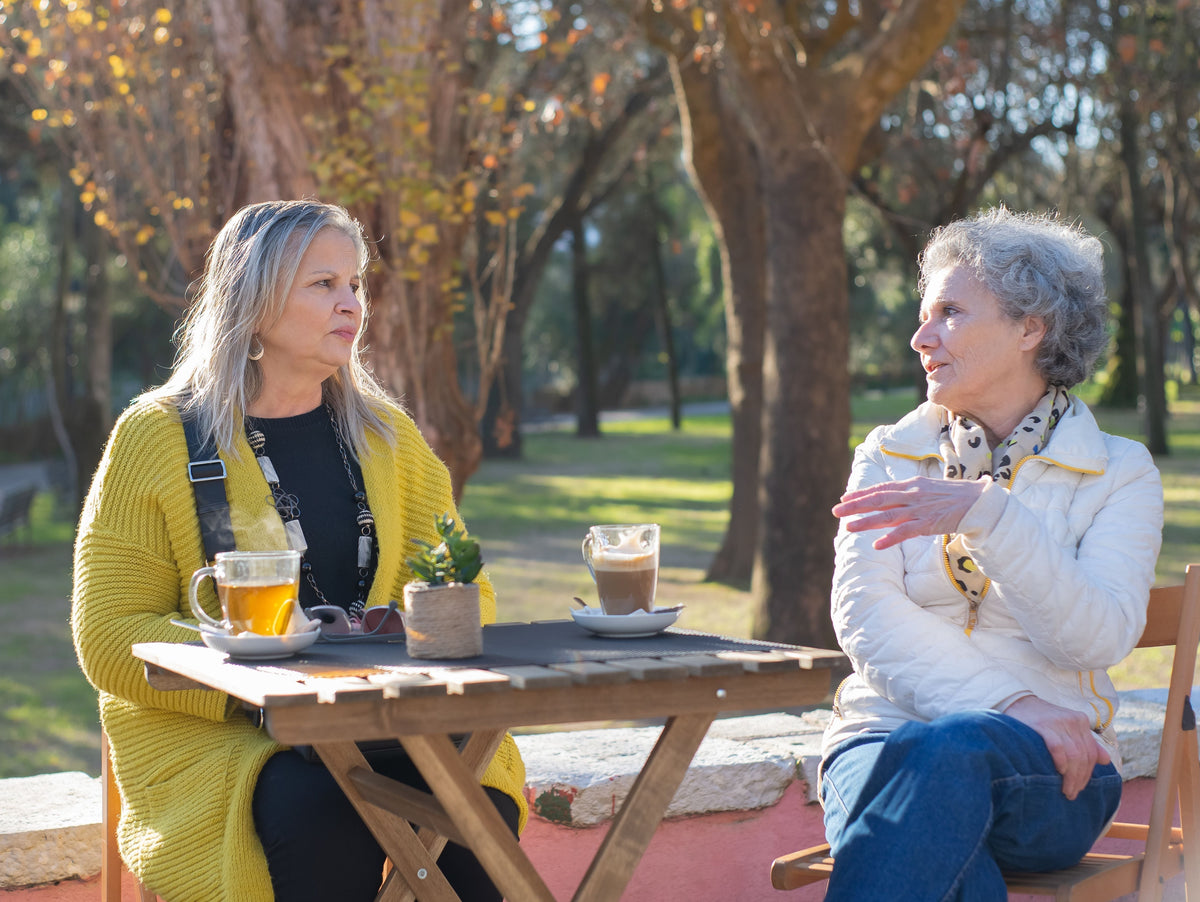
The end of cancer treatments often come with relief and also confusion. Once appointments slow down and scans are spaced out, you’d expect to be back to complete recovery. Yet many survivors notice symptoms that don’t leave on cue.
Survivorship needs don’t end just because treatment does.
Side effects can often linger in ways that surprise even the most prepared. Symptoms (such as fatigue, nausea, “chemo brain” and physical discomfort) may stick around longer than expected. This doesn’t mean something went wrong.
Keep reading to learn quick, practical insight into common post-treatment symptoms and small ways survivors often ease them.
Understanding Side Effects Post Cancer Treatment
When treatment ends, the body and mind continue adjusting. Healing changes pace once chemotherapy and radiation end.
Many survivors experience ongoing side effects as systems recalibrate through shifting hormones and energy being rebuilt, while the nervous system settles over time. No two cancer recoveries look the same.
The National Cancer Institute explains that long-term and late effects are common in survivorship and vary widely depending on treatment type and individual factors.
Variation in healing and recovery is normal, so try not to make comparisons, as it rarely helps.
Cancer-Related Fatigue
Fatigue after treatment is often disproportionate to activity. A short errand can seem like a full workout, while rest doesn’t always restore energy the way it used to.
Cancer-related fatigue differs from everyday tiredness. It usually lingers and fluctuates, even on quieter days, which is frustrating and hard to explain.
Support such as pacing activity, taking short walks and proper rest without guilt usually helps. You can benefit from planning one main task per day instead after stacking up on commitments.
Nausea and Digestive Changes after Treatment
Food might still not taste the same once treatment ends due to nausea and appetite shifts.
Small meals are usually more manageable than full plates. Hydration helps, even when appetite lags. Familiar comfort foods can be safer than trying something new.
The American Cancer Society explains that nausea and digestive changes can continue as the body recovers from treatment.
Eating doesn’t need to be perfect to count. Try to take it one step at a time and see what helps in your phases after recovery.
Hot Flashes and Hormone-Related Changes
Some survivors experience hot flashes, night sweats or temperature swings after treatment. According to Mayo Clinic, hormonal therapies, certain surgeries and early menopause can play a role.
Sleep disruption adds to fatigue and irritability. Comfort often improves with breathable layers and cooling bedding. Keeping water nearby can also help.
These symptoms can be disruptive, but many cancer care experts find that hot flashes can diminish with time and small adjustments.
Add items that can help
Coping With “Chemo Brain”
Mental fog can show up as memory slips and slowed thinking. Many survivors describe moments after losing words or forgetting why they walked into a room.
Coping with chemo brain often involves practical strategies rather than worry. Writing things down and building routines, while focusing on one task at a time, reduces mental strain. Fewer open tabs, literally and figuratively, can help.
Mental clarity usually returns gradually.
Add cognition options in registry
Emotional Ups and Downs after Treatment
The American Cancer Society highlights emotional health as an important part after survivorship.
Emotional shifts are unexpected once treatment ends. Irritability, restlessness, sadness or emotional whiplash may appear without warning.
These reactions can show up as a release from months of held-together stress. Gentle structure, open conversations and steady support systems help many survivors regain emotional balance.
You don’t have to sort through this alone.
Everyday Ways to Ease Post-Treatment Symptoms
Small adjustments can make daily life more manageable. Many survivors benefit from:
-
Pacing energy instead after pushing through
-
Choosing comfort over pressure and expectations
-
Adjusting routines without self-judgment
-
Trying one change at a time
Experimentation matters more than perfection. What helps one week may change the next. Flexibility allows recovery to unfold naturally.
You’re Not Behind, You’re Recovering
Lingering symptoms don’t mean you’re falling short. They mean your body and mind are still recovering.
Support doesn’t need to look dramatic to matter. Small tools, thoughtful adjustments and steady care often make the biggest difference over time.
At Salto Health, survivors can find resources and products designed to support everyday recovery, meeting you where you are, not where you’re “supposed” to be.
FAQs
How long do side effects after cancer treatment last?
Side effects from cancer treatment can last weeks, months or longer, depending on the type of treatment and the individual. Many symptoms improve gradually as recovery continues.
Is it normal to still be tired months after cancer treatment?
Yes, it is normal to feel tired months after cancer treatment. Cancer-related fatigue is one after the most common survivorship symptoms and may persist even after treatment ends.
What are the most common side effects after cancer treatment?
Common side effects after cancer treatment include fatigue, cognitive changes, nausea, appetite shifts, hot flashes, sleep disruption and emotional ups and downs. Experiences vary widely among survivors.
What helps with chemo brain after treatment ends?
Coping with chemo brain often includes writing things down, using routines, limiting multitasking and allowing extra time for memory and focus. These strategies help reduce mental strain. ADD MORE
When should cancer survivors talk to a doctor about lingering symptoms?
Cancer survivors should talk to a doctor if post-treatment symptoms worsen, do not improve over time or interfere with daily activities. Persistent concerns deserve medical attention.