

Description
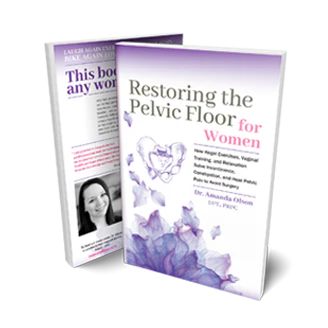
This book is for any woman who has avoided the trampoline or yoga class for fear of leaking. If you’ve had pelvic pain, constipation, or urinary frequency, this book is also for you. With a tasteful sense of humor, Dr. Olson explains how to cure urinary incontinence using Kegels, which foods and drinks to avoid for urinary urgency, how to manage constipation, how breathing and basic exercises can help with pelvic pain, and which exercises are most beneficial to women’s health.
- Learn how to fix conditions related to the pelvic floor, bladder, uterus, and bowel from a certified pelvic floor physical therapist.
- Learn easy exercises and stretches with photographs and diagrams.
- Learn which foods and drinks to avoid for constipation or bladder issues.
- Conquer chronic pelvic pain.
Why It Matters
This book is for any woman who has avoided the trampoline or yoga class for fear of leaking. If you’ve had pelvic pain, constipation, or urinary frequency, this book is also for you. With a tasteful sense of humor, Dr. Olson explains how to cure urinary incontinence using Kegels, which foods and drinks to avoid for urinary urgency, how to manage constipation, how breathing and basic exercises can help with pelvic pain, and which exercises are most beneficial to women’s health.
- Learn how to fix conditions related to the pelvic floor, bladder, uterus, and bowel from a certified pelvic floor physical therapist.
- Learn easy exercises and stretches with photographs and diagrams.
- Learn which foods and drinks to avoid for constipation or bladder issues.
- Conquer chronic pelvic pain.
Blog posts

I’m Losing My Hair During Cancer Treatment — Now What?
You might learn about hair loss in a quick conversation with your care team. You might read it in a pamphlet. It can still feel unreal, right up until the day you notice more strands in the shower or your brush fills faster than usual.

Understanding Non-Medical Needs During Cancer Treatment: Support Beyond the Hospital
Cancer care is usually centered on appointments, such as scans and infusions. Yet most of life during treatment and recovery happens somewhere else entirely. At home. In the car. At the kitchen table. In moments when symptoms arise without warning.
At Salto Health, survivors and caregivers can find resources and support designed to fit naturally into daily life during treatment. Routine helps you meet who you are now, with care.

Dealing with Scanxiety: How to Cope with Fear of Recurrence
Scanxiety describes the worry and tension many survivors feel before follow-up scans. It’s the mind’s way of protecting itself after a difficult chapter, but it often stirs old fears of bad news. Learning how to deal with these feelings begins with knowing that this reaction is normal. You’re not overreacting. You’re human.


