











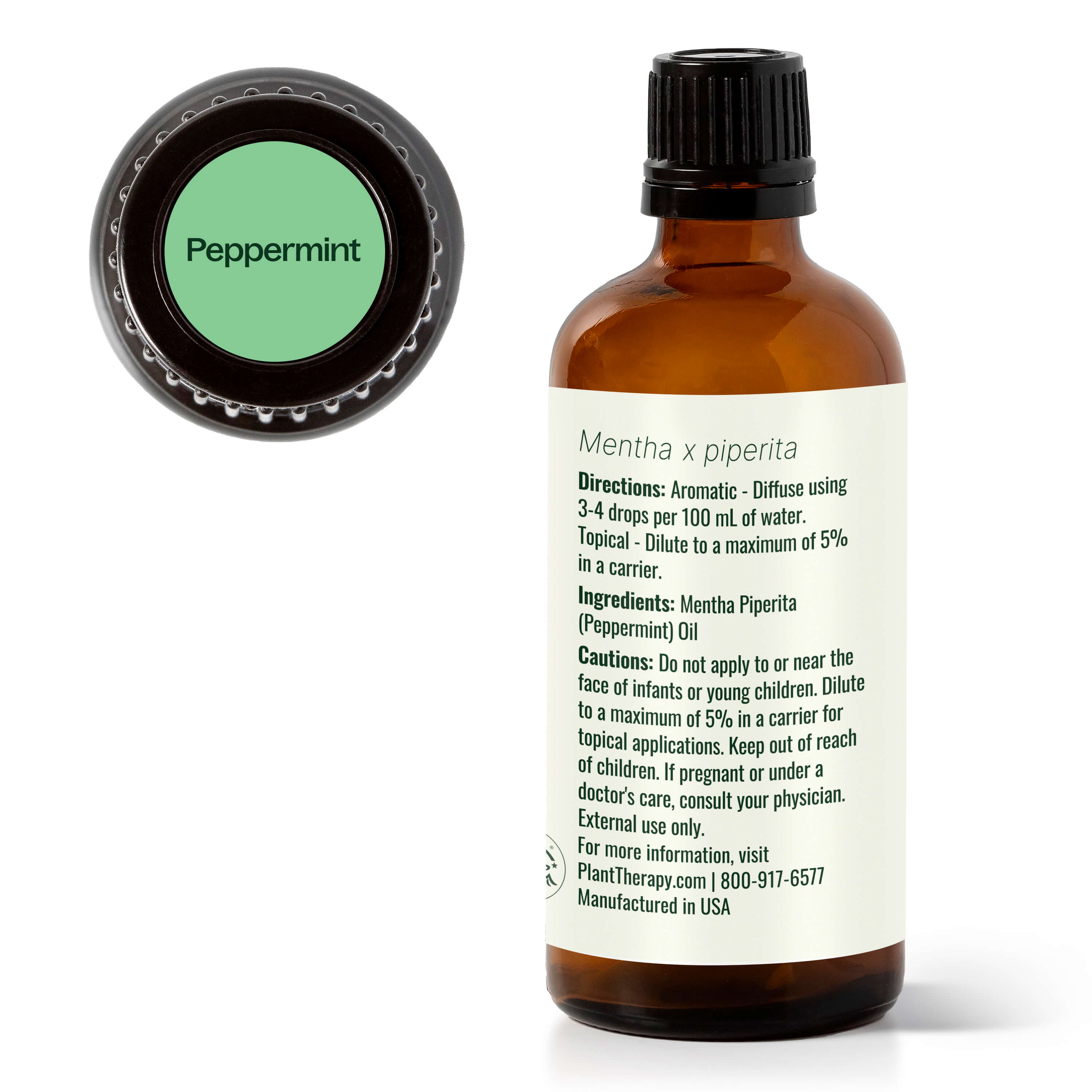
Description
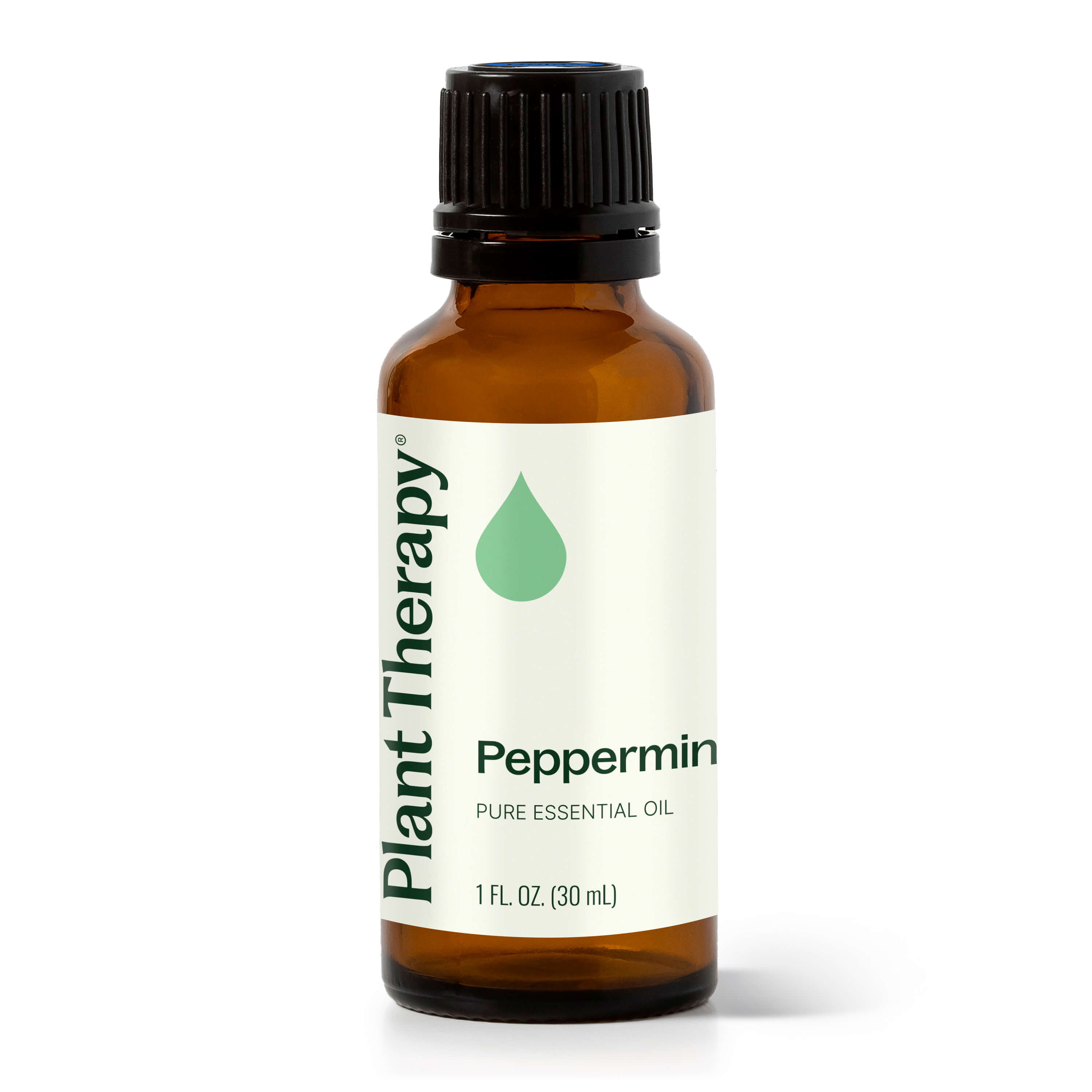
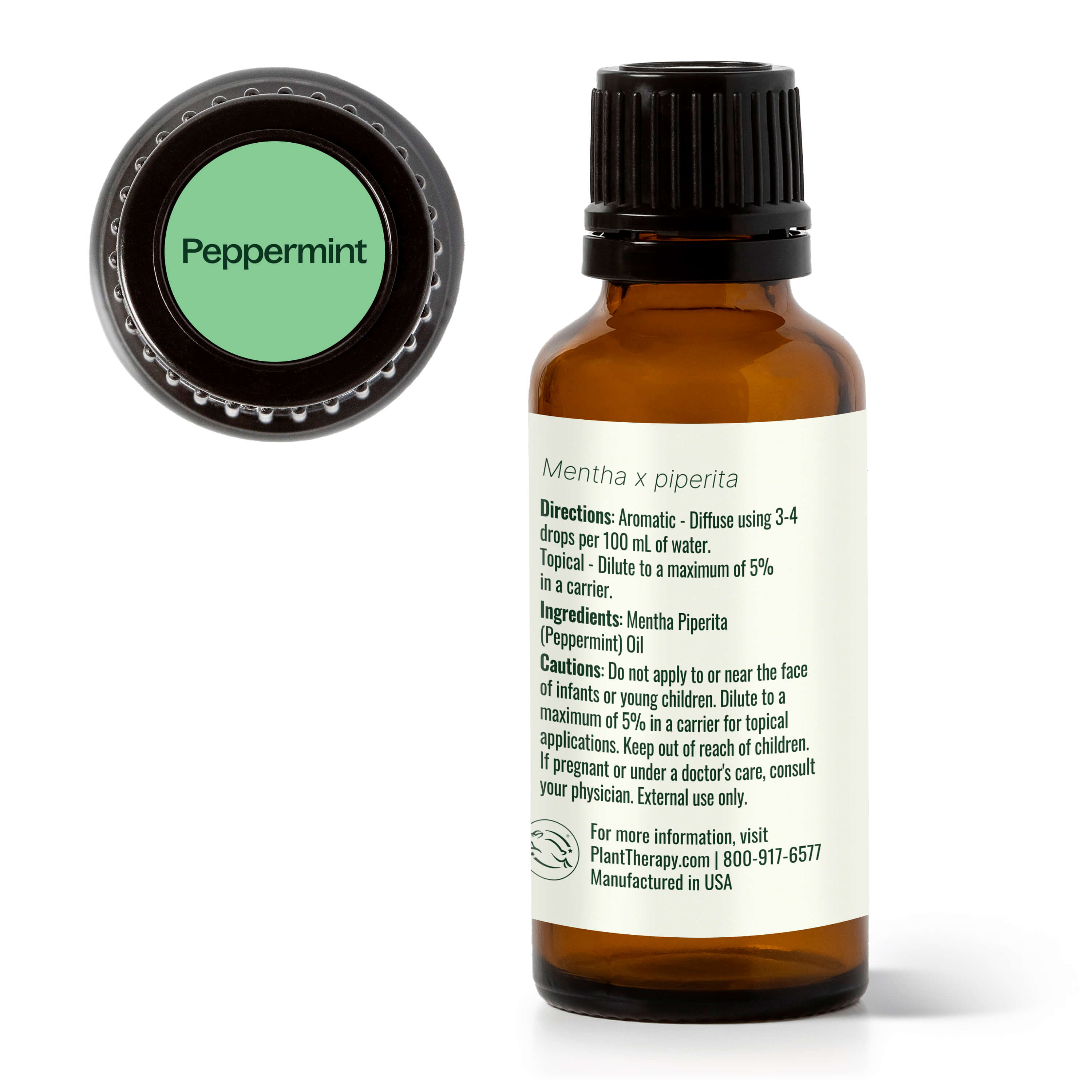
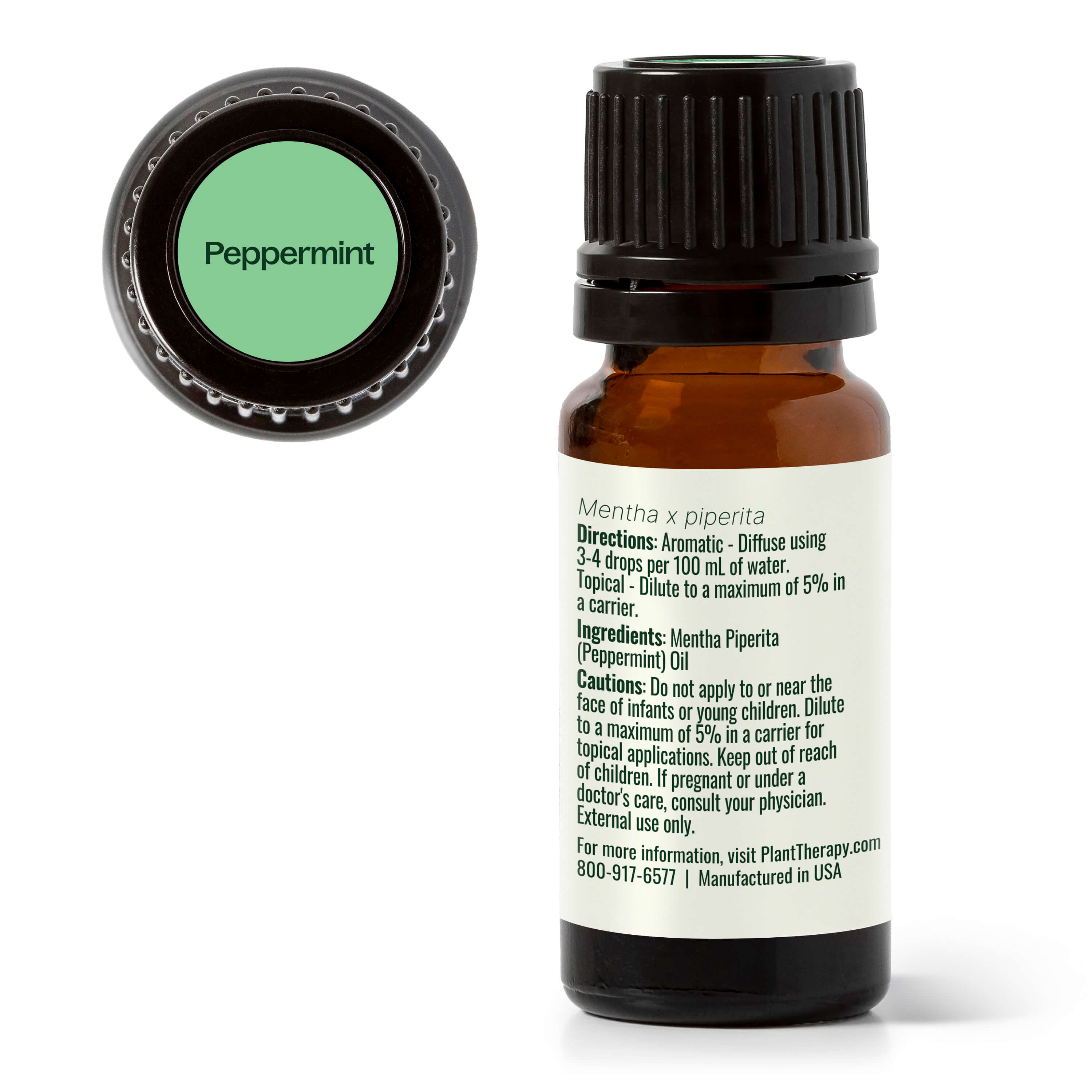
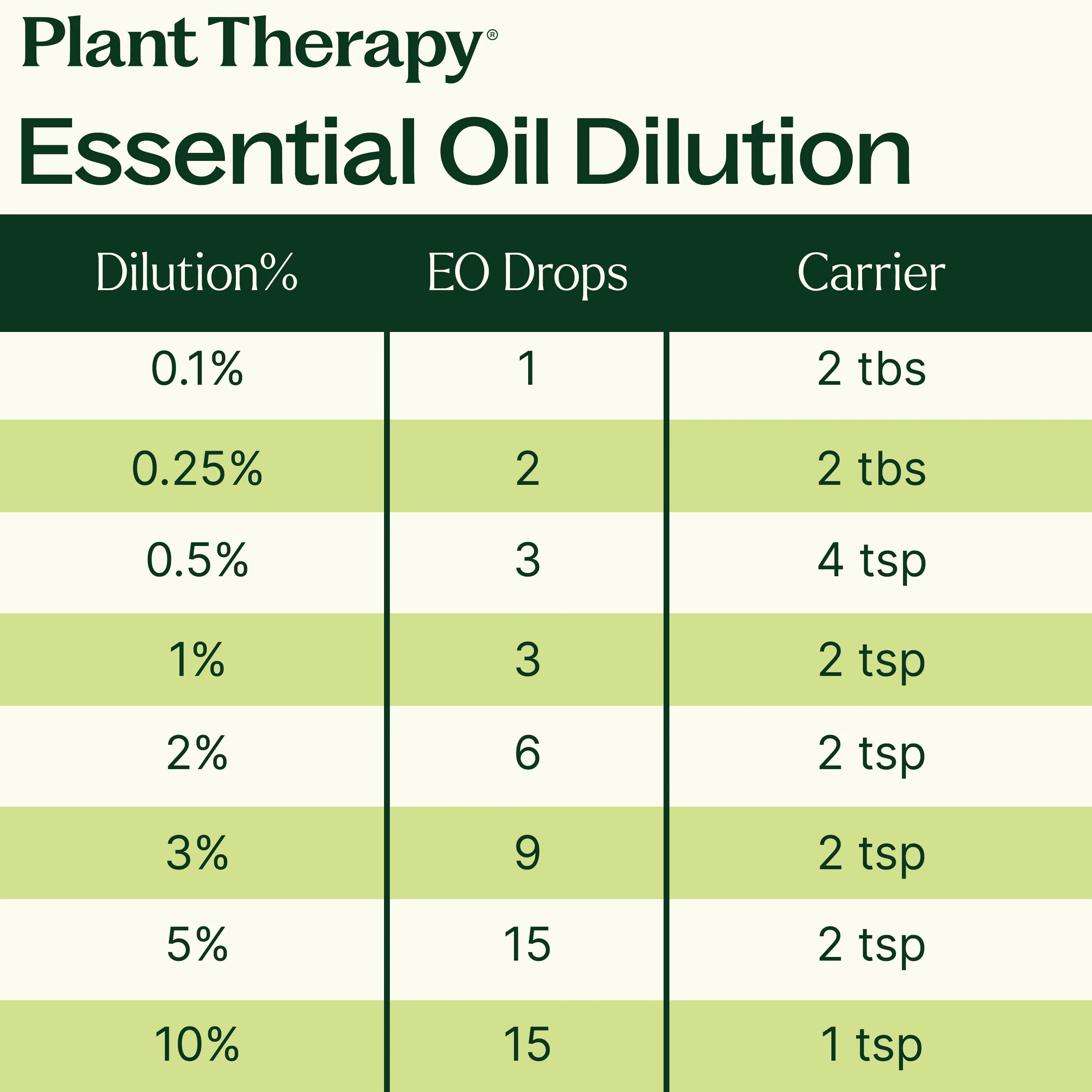
Few aromas are as instantly recognizable as Peppermint. Its crisp, minty scent delivers an invigorating rush that awakens the senses and promotes focus when energy starts to dip. Perfect for moments when you need to feel refreshed and alert, this versatile oil also provides a natural cooling sensation when applied topically, ideal for soothing tired muscles or easing tension in the head and neck. Simply dilute with a carrier oil and enjoy its comforting, cooling touch. Inhaling Peppermint can also help settle feelings of nausea and support clear, easy breathing, making it a must-have for everyday wellness.
Why It Matters
Certain scents—like peppermint, ginger or other calming essential oils—can help some people ease that sense of nausea and regain a bit of control in the moment. It’s a simple, non-invasive support tool that can be used quickly when symptoms start to rise.
Few aromas are as instantly recognizable as Peppermint. Its crisp, minty scent delivers an invigorating rush that awakens the senses and promotes focus when energy starts to dip. Perfect for moments when you need to feel refreshed and alert, this versatile oil also provides a natural cooling sensation when applied topically, ideal for soothing tired muscles or easing tension in the head and neck. Simply dilute with a carrier oil and enjoy its comforting, cooling touch. Inhaling Peppermint can also help settle feelings of nausea and support clear, easy breathing, making it a must-have for everyday wellness.
Blog posts

When People Disappear: Friendship and Isolation During Cancer
Some of the people you expected to show up will not. Others you barely knew will turn out to be extraordinary. Almost nobody warns you that a diagnosis rearranges your relationships, and that the sorting can hurt as much as the treatment.

Caring for Someone With Cancer Without Disappearing Yourself
Every caregiver says a version of the same sentence: I am fine, it is not about me. They mean it. It is also not true, and it is not sustainable. The household is running on you, and that deserves attention too.

Chemo Brain Is Real: Living With Cognitive Changes During Treatment
You walk into a room and cannot remember why. A word you have used your whole life is suddenly gone. Cognitive changes during and after treatment are common and recognized, and being unable to point to them on a scan does not make them imaginary.


