




















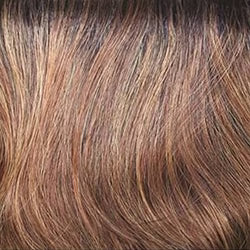



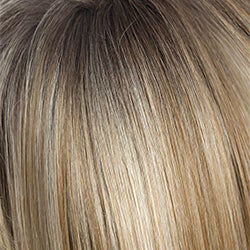

Mika (Exclusive) | Lace Front & Monofilament Part Synthetic Wig by Rene of Paris
Description
Mika from Rene of Paris Hi-Fashion Collection is a medium-length synthetic wig. This ready-to-wear is a timeless style. Mike is shoulder-length style that can be arranged in many ways. The face-framing layers and side-swept fringe provide stylish modern versatility. Mika is an extended lace front and partial monofilament with extended nape tabs and pull adjusters. The result is comfortable and modern fit with a natural look in fashion and easy to wear.
- Hi-Fashion Collection
- Monofilament Part(Lace Part)!
- Hair Length: Fringe 8" | Crown 10" | Nape 8"
- Weight: 4.0 oz.
Why It Matters
Mika from Rene of Paris Hi-Fashion Collection is a medium-length synthetic wig. This ready-to-wear is a timeless style. Mike is shoulder-length style that can be arranged in many ways. The face-framing layers and side-swept fringe provide stylish modern versatility. Mika is an extended lace front and partial monofilament with extended nape tabs and pull adjusters. The result is comfortable and modern fit with a natural look in fashion and easy to wear.
- Hi-Fashion Collection
- Monofilament Part(Lace Part)!
- Hair Length: Fringe 8" | Crown 10" | Nape 8"
- Weight: 4.0 oz.
Blog posts

When People Disappear: Friendship and Isolation During Cancer
Some of the people you expected to show up will not. Others you barely knew will turn out to be extraordinary. Almost nobody warns you that a diagnosis rearranges your relationships, and that the sorting can hurt as much as the treatment.

Caring for Someone With Cancer Without Disappearing Yourself
Every caregiver says a version of the same sentence: I am fine, it is not about me. They mean it. It is also not true, and it is not sustainable. The household is running on you, and that deserves attention too.

Chemo Brain Is Real: Living With Cognitive Changes During Treatment
You walk into a room and cannot remember why. A word you have used your whole life is suddenly gone. Cognitive changes during and after treatment are common and recognized, and being unable to point to them on a scan does not make them imaginary.


