
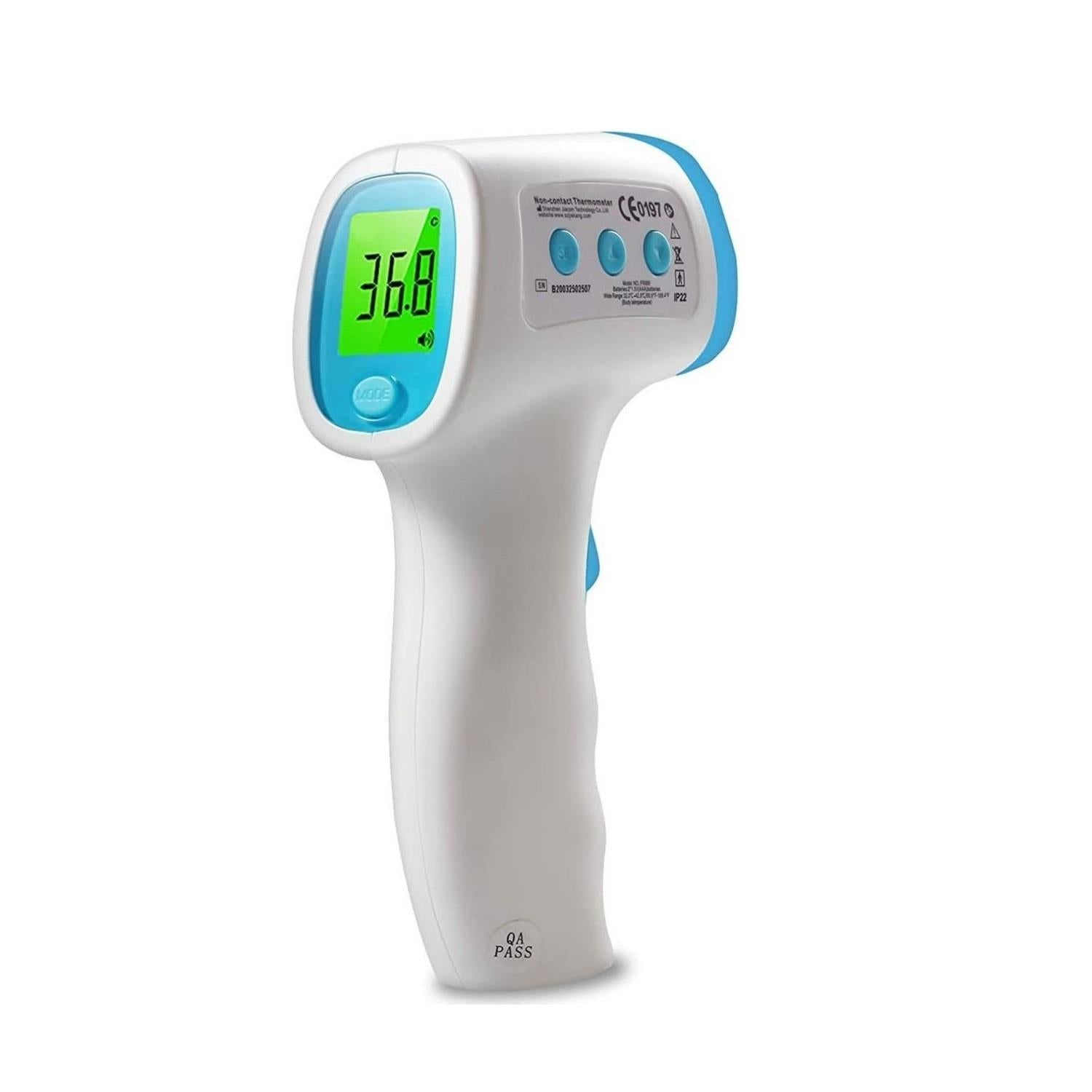
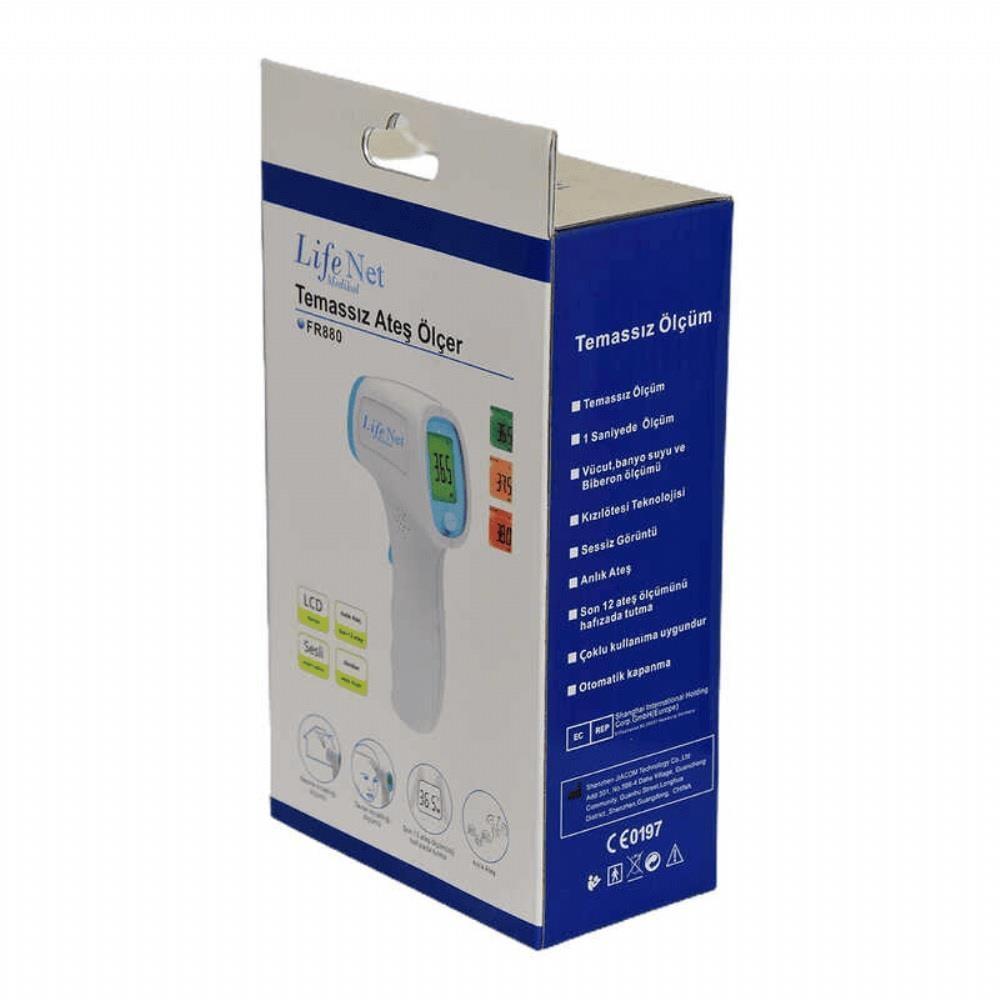
Life Net Non-Contact Forehead Thermometer, Silent & Instant
Description
Features
- Non-contact infrared measurement delivers a reading in 1 second
- Measures body, room, and surface temperature
- Three screen-light colors indicate temperature range at a glance, in any lighting
- Silent measurement mode, take a reading without disturbing rest
- Stores the last 12 readings to track changes over time
- Automatic power-off to conserve battery
A non-contact, silent thermometer is especially useful when frequent monitoring is part of the routine, it lets you check in without disturbing rest, and the stored readings make it easy to share a clear picture with your care team.
Why It Matters
The stored readings also make it easy to spot patterns and bring a clear picture to your care team, rather than relying on memory alone.
Features
- Non-contact infrared measurement delivers a reading in 1 second
- Measures body, room, and surface temperature
- Three screen-light colors indicate temperature range at a glance, in any lighting
- Silent measurement mode, take a reading without disturbing rest
- Stores the last 12 readings to track changes over time
- Automatic power-off to conserve battery
A non-contact, silent thermometer is especially useful when frequent monitoring is part of the routine, it lets you check in without disturbing rest, and the stored readings make it easy to share a clear picture with your care team.
Blog posts

When People Disappear: Friendship and Isolation During Cancer
Some of the people you expected to show up will not. Others you barely knew will turn out to be extraordinary. Almost nobody warns you that a diagnosis rearranges your relationships, and that the sorting can hurt as much as the treatment.

Caring for Someone With Cancer Without Disappearing Yourself
Every caregiver says a version of the same sentence: I am fine, it is not about me. They mean it. It is also not true, and it is not sustainable. The household is running on you, and that deserves attention too.

Chemo Brain Is Real: Living With Cognitive Changes During Treatment
You walk into a room and cannot remember why. A word you have used your whole life is suddenly gone. Cognitive changes during and after treatment are common and recognized, and being unable to point to them on a scan does not make them imaginary.


