


Dream Tech Sleep Memory Foam Sleep Mask, 3D Contoured Light Block
Description
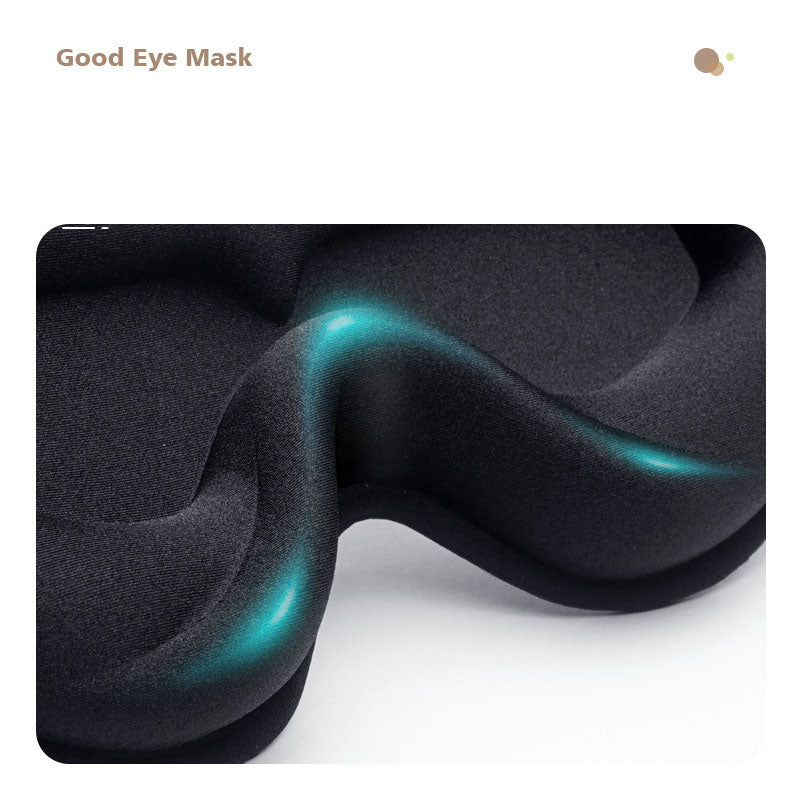
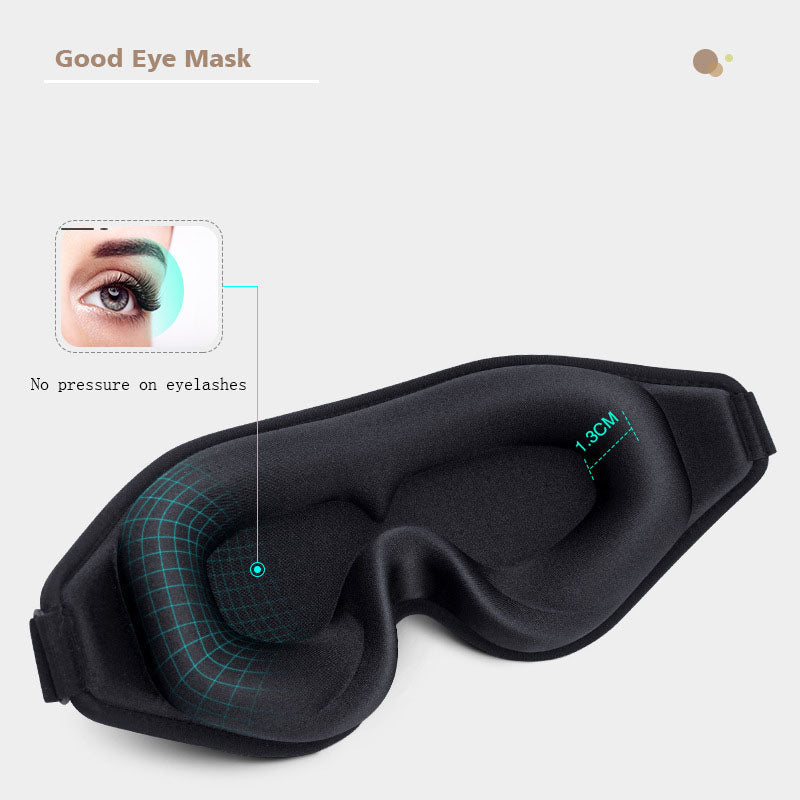
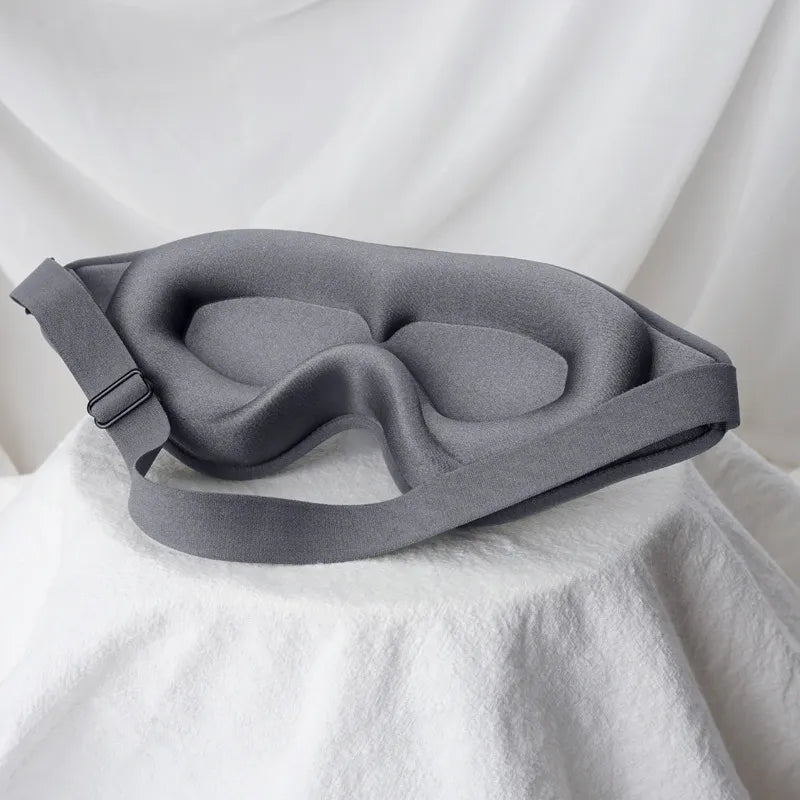
A contoured sleep mask with molded memory foam cups that hold the mask away from the eyes, so nothing rests on your eyelids and you can blink or open your eyes inside it.
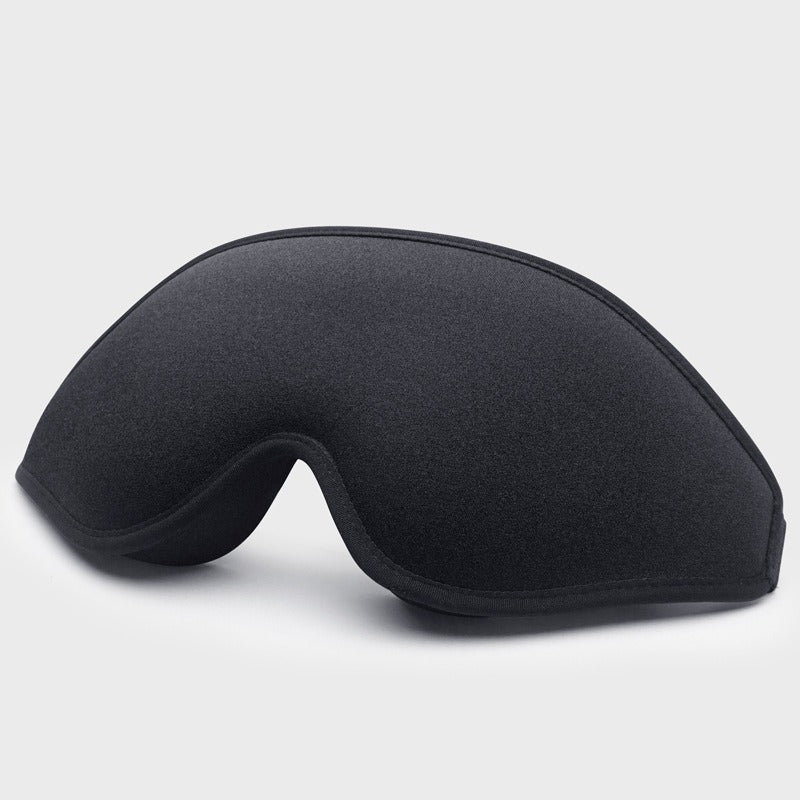
The three dimensional shape follows the contours of the face around the eyes and nose bridge, which blocks more light than a flat mask lying against the skin.
Memory foam construction, and light enough for travel as well as at home.
Why It Matters
Light works against you either way. Even modest exposure suppresses melatonin and shifts the body clock later. Blocking it is one of the few things you can adjust yourself, without a prescription or anyone's permission. Caregivers lose sleep through this too, and the same thing helps.
The contoured shape sets this one apart. The foam cups hold the mask off your face, so nothing touches your eyelids or lashes.
A contoured sleep mask with molded memory foam cups that hold the mask away from the eyes, so nothing rests on your eyelids and you can blink or open your eyes inside it.
The three dimensional shape follows the contours of the face around the eyes and nose bridge, which blocks more light than a flat mask lying against the skin.
Memory foam construction, and light enough for travel as well as at home.
Blog posts

When People Disappear: Friendship and Isolation During Cancer
Some of the people you expected to show up will not. Others you barely knew will turn out to be extraordinary. Almost nobody warns you that a diagnosis rearranges your relationships, and that the sorting can hurt as much as the treatment.

Caring for Someone With Cancer Without Disappearing Yourself
Every caregiver says a version of the same sentence: I am fine, it is not about me. They mean it. It is also not true, and it is not sustainable. The household is running on you, and that deserves attention too.

Chemo Brain Is Real: Living With Cognitive Changes During Treatment
You walk into a room and cannot remember why. A word you have used your whole life is suddenly gone. Cognitive changes during and after treatment are common and recognized, and being unable to point to them on a scan does not make them imaginary.


