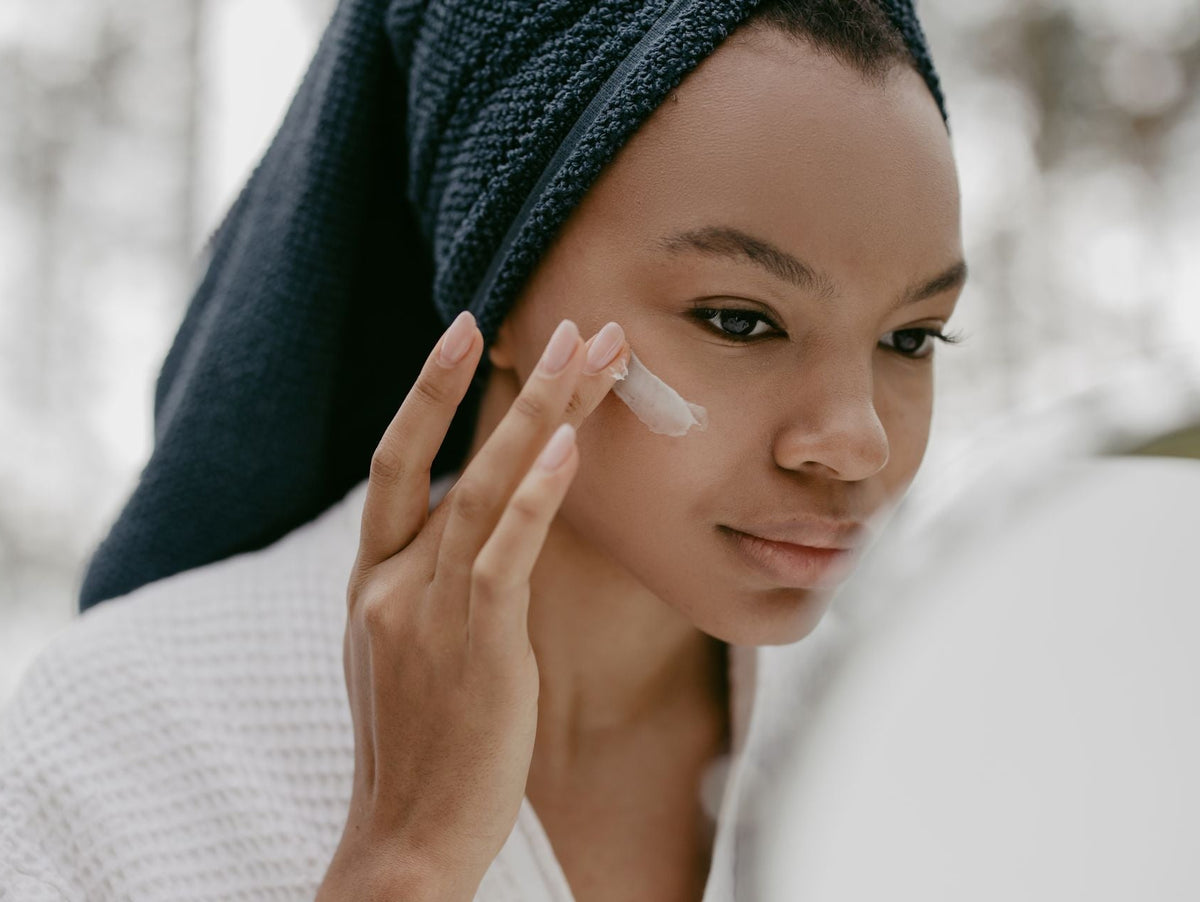
The soap you have used for a decade starts to sting. A lotion that always worked leaves your skin tight. Fragrance you never noticed before becomes something you cannot be near.
Skin changes are one of the most visible parts of treatment and one of the least prepared for. Nobody hands you a guide on the day you are diagnosed explaining that your skin is about to behave like someone else's.
Most of what helps is small. It is specific, though — formulated for treatment skin rather than skin in general.
Why Skin Becomes More Sensitive
Different treatments affect skin in different ways, and your care team is the right source for what to expect from yours.
Broadly, treatment can leave skin drier, thinner, more easily irritated, and slower to recover than it used to be. Skin in or near a radiation field has its own particular needs. Some treatments increase sensitivity to sunlight considerably. Hands and feet can be affected specifically.
Sense of smell often changes too, which is its own complication. A product may become unusable not because your skin reacts, but because you cannot stand the scent of it anymore.
Small Changes That Help Most
Go fragrance free. This is the single change most people notice. Fragrance is the most common irritant in skincare, and it is in more products than you would guess, including many labeled unscented. Look for fragrance free specifically.
Look at what you wash with first. A cleanser touches every part of you every day. A harsh one undoes a fair amount of what moisturizing is trying to achieve. Switching to a gentle, soap free wash is often more effective than adding another cream.
Moisturize more than feels necessary, and sooner. Most people use too little. A thin layer on very dry skin does very little. It also works best applied within a few minutes of a bath or shower, while skin is still slightly damp, because it holds onto water that is already there.
Simplify. This is not the time for a ten step routine or for active ingredients you have not used before. Fewer products, gently applied, tends to work better.
Take sun protection seriously. Several treatments increase sun sensitivity, sometimes dramatically, and radiation-treated skin stays vulnerable long after treatment ends. Daily protection matters more now than it did before.
Caring for Hands, Feet, and Lips
Hands, feet and lips get hit hardest and are easiest to overlook.
Frequent hand washing and sanitizer, often on medical advice, strip skin faster than most people expect. Cracked skin around the fingertips hurts more than it sounds like it should, because you use your hands constantly.
Lips dry out from treatment, dehydration, and mouth breathing. Skip anything flavored, scented, or containing menthol. Those feel soothing briefly and tend to sting on lips that are already cracked.
Keeping a cream by the sink, one in a bag, and one by the bed removes the main reason people skip it. Products only work if they are within reach.
What to Bring to Your Care Team
Not everything is a skincare problem.
Tell your team about skin that becomes painful, breaks open, blisters, peels significantly, or feels hot rather than simply dry. Tell them about a rash, particularly a new one. Tell them about changes to your hands and feet specifically.
If you are having radiation, ask what you can use on and around the treatment area. Many centers give specific instructions, including about timing before a session, and those instructions come first.
Your Skin Is Doing a Lot Right Now
It is easy to feel like your body has become unfamiliar. Skin is often where that shows up first, because you see it every day.
Gentle products, applied often, are most of the answer. The rest is patience, which is harder to come by.
At Salto Health, survivors and caregivers can find fragrance free skin and body care chosen for skin that has become more sensitive, along with simple comfort items for the parts that get overlooked.