




Description
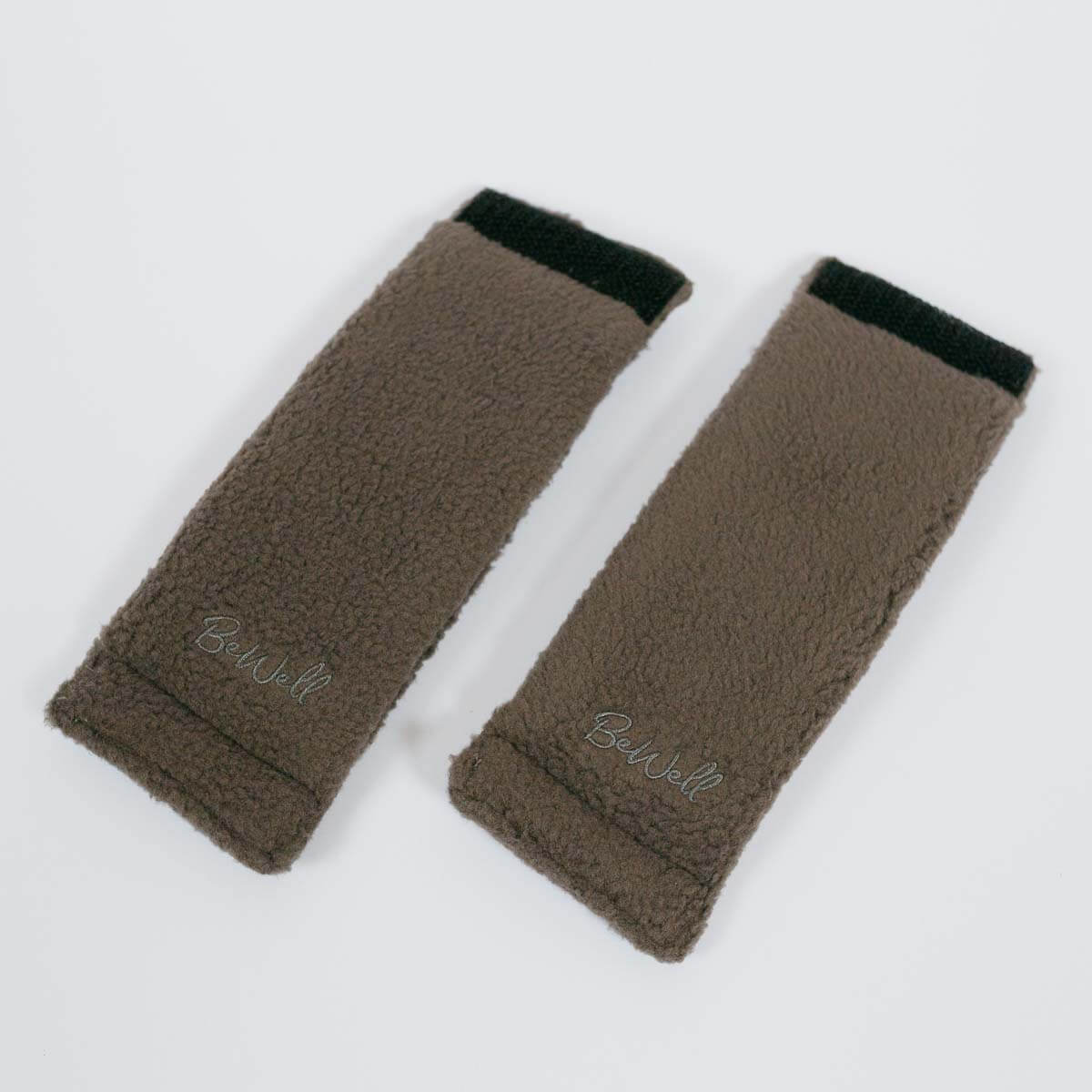
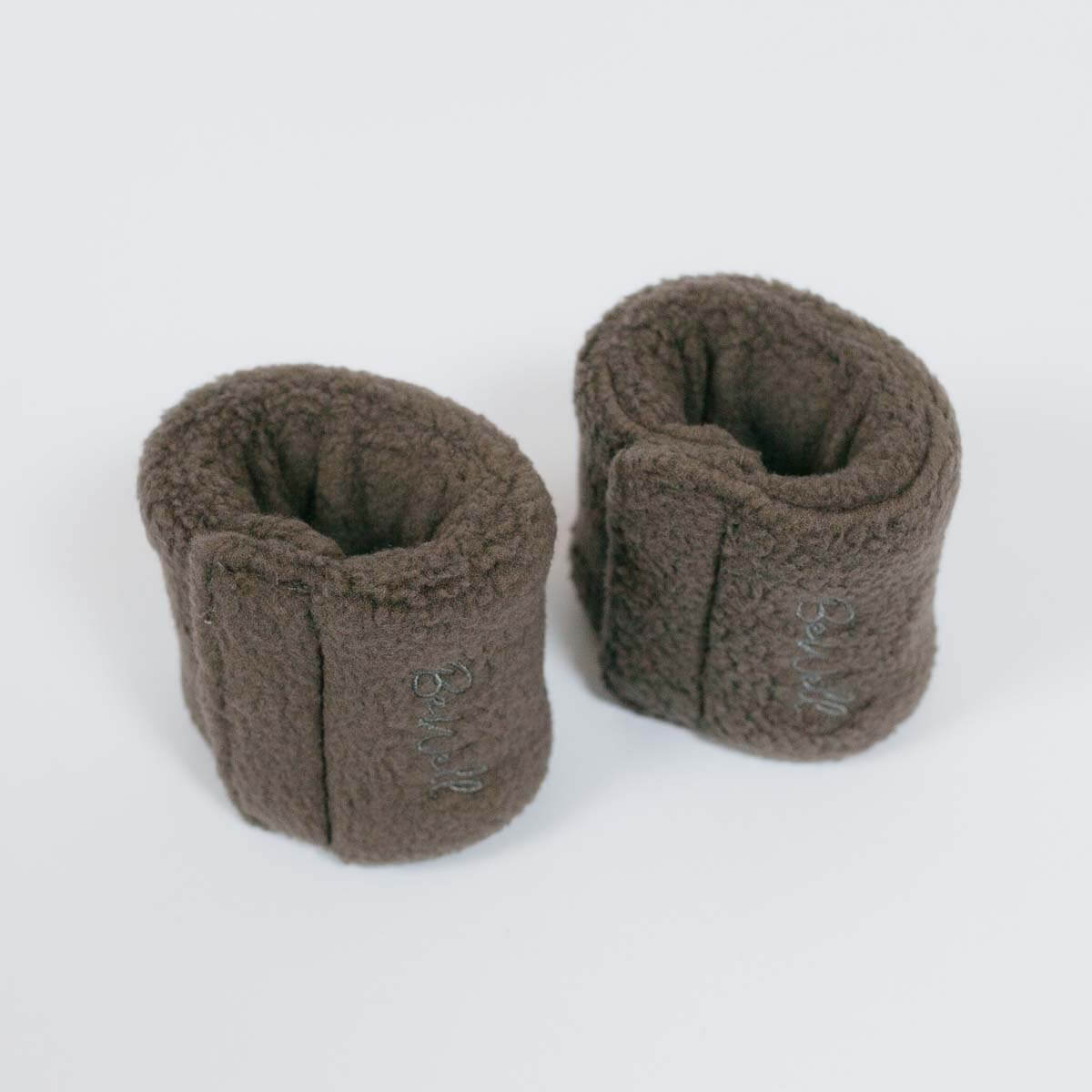
Sits between the belt and your chest. The shoulder belt crosses right where a port sits. The Belt Buffer is a padded cover that attaches to the strap so the belt isn't resting directly on that spot — for ports, chest incisions, or anyone whose chest can't tolerate the pressure.
Adjustable and quick to attach. Velcro closure, slides on in seconds, in dark gray.
Doesn't read as medical. It looks like an ordinary shoulder pad.
Fabric. 62.2% polyester, 35.3% cotton, 2.5% spandex.
Care. Hand wash cold and lay flat to dry. Do not bleach, iron, or dry clean.
Why It Matters
A port sits high on the chest, which is exactly where a shoulder belt crosses. Surgical sites are frequently in the same place. The belt isn't optional, so the drive turns into something you brace for rather than something you don't think about.
This is a category where the fix is small and complete. One specific problem, solved, for very little money — which is rare enough to be worth saying out loud.
Sits between the belt and your chest. The shoulder belt crosses right where a port sits. The Belt Buffer is a padded cover that attaches to the strap so the belt isn't resting directly on that spot — for ports, chest incisions, or anyone whose chest can't tolerate the pressure.
Adjustable and quick to attach. Velcro closure, slides on in seconds, in dark gray.
Doesn't read as medical. It looks like an ordinary shoulder pad.
Fabric. 62.2% polyester, 35.3% cotton, 2.5% spandex.
Care. Hand wash cold and lay flat to dry. Do not bleach, iron, or dry clean.
Blog posts

When People Disappear: Friendship and Isolation During Cancer
Some of the people you expected to show up will not. Others you barely knew will turn out to be extraordinary. Almost nobody warns you that a diagnosis rearranges your relationships, and that the sorting can hurt as much as the treatment.

Caring for Someone With Cancer Without Disappearing Yourself
Every caregiver says a version of the same sentence: I am fine, it is not about me. They mean it. It is also not true, and it is not sustainable. The household is running on you, and that deserves attention too.

Chemo Brain Is Real: Living With Cognitive Changes During Treatment
You walk into a room and cannot remember why. A word you have used your whole life is suddenly gone. Cognitive changes during and after treatment are common and recognized, and being unable to point to them on a scan does not make them imaginary.


